

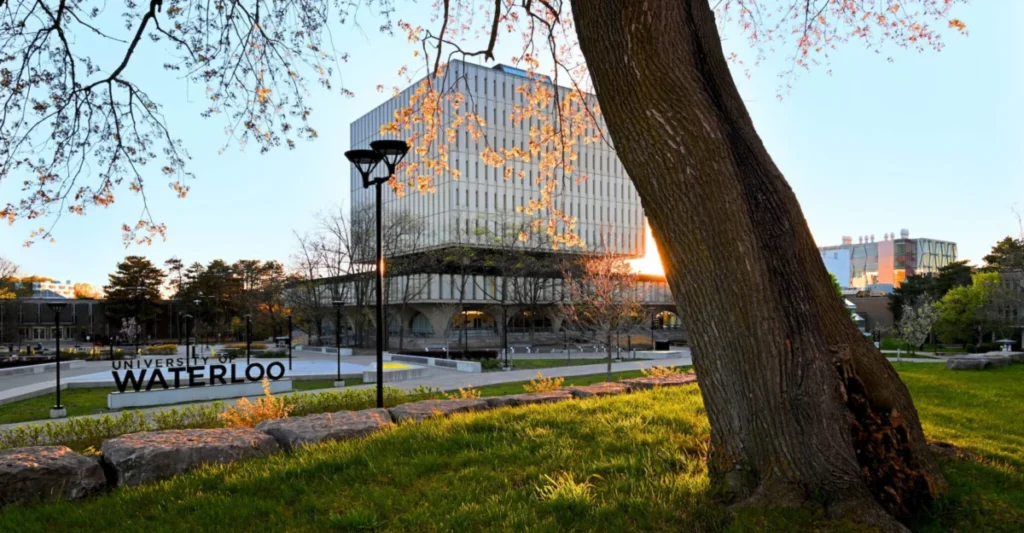
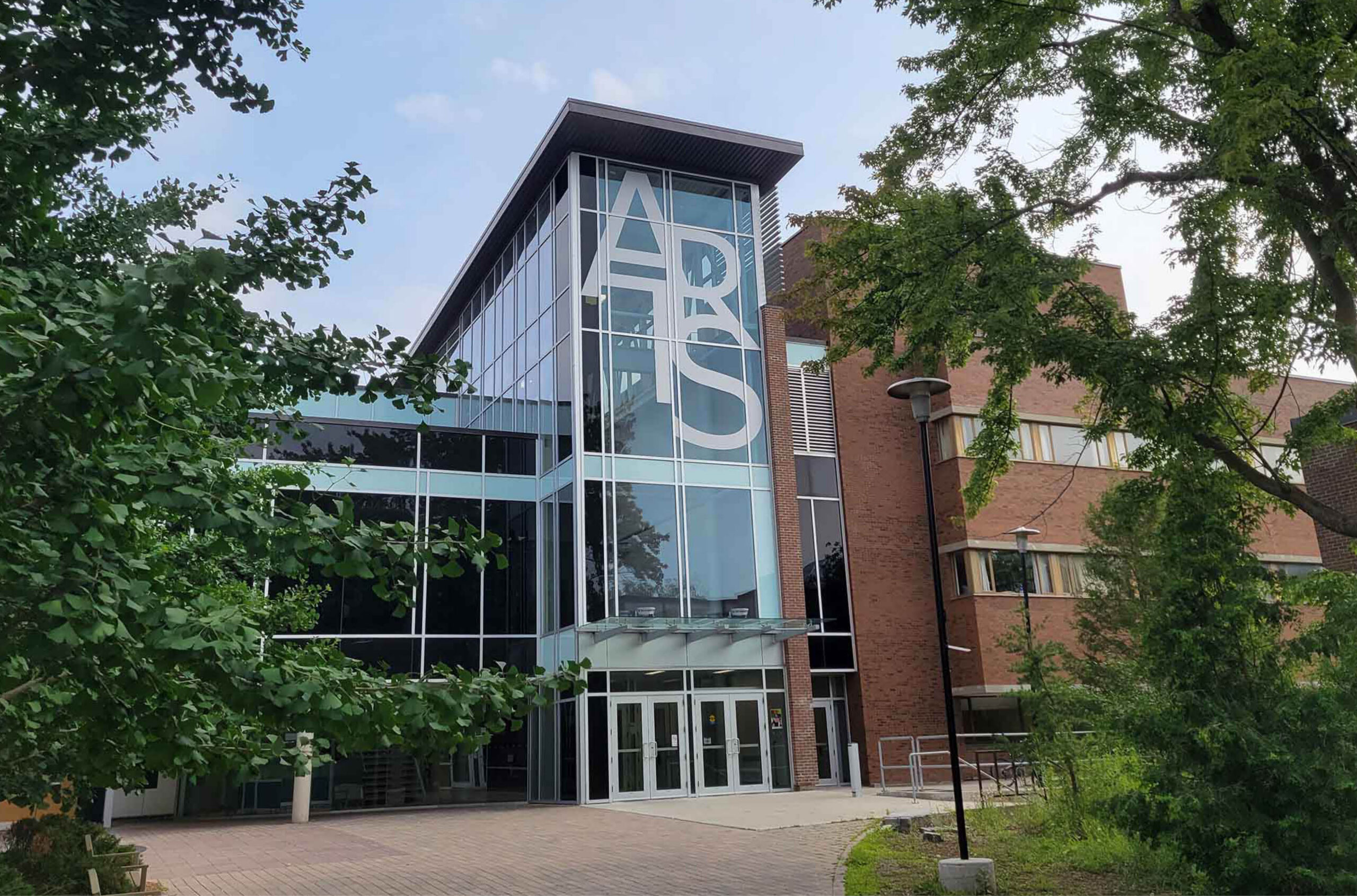
The rapid ascent of generative artificial intelligence has forced a global reckoning within higher education, compelling institutions to reconsider the traditional boundaries of academic disciplines. At the University of Waterloo, this pressure to adapt has manifested in a radical structural reorganization of the Faculty of Arts. By collapsing 17 distinct academic units into six consolidated schools, the university is attempting to bridge the widening chasm between the humanities and the burgeoning STEM-dominated landscape. This transformation reflects a growing consensus among institutional leaders: in an era of unprecedented technological disruption, the traditional siloed approach to academic inquiry is no longer sufficient to address the complex ethical, social, and cultural challenges posed by modern innovation.
The Catalyst for Change: The AI Imperative
The impetus for this administrative overhaul stems from the realization that technology is not a value-neutral endeavor. While Silicon Valley and global tech firms lead the charge in technical development, the most pressing questions surrounding AI—governance, algorithmic bias, societal impact, and psychological well-being—are fundamentally rooted in the humanities. For years, Arts scholars have occupied a reactive position, often invited to provide ethical critiques only after a product has reached the market and caused unintended societal harm.
At the University of Waterloo, the strategy is to shift from reactive critique to proactive collaboration. By breaking down the administrative walls between departments such as philosophy, political science, and sociology, the university aims to make the "human side" of technology a foundational element of the research process rather than an afterthought. This initiative is designed to demonstrate the tangible employability of Arts graduates, countering the common narrative that a degree in the humanities lacks market value in a data-driven economy.
A Two-Year Journey: The Timeline of Reform
The transformation at Waterloo was not an overnight decree but the result of a deliberate, two-year consultation process. Recognizing the inherent change-aversion found in academic institutions, the administration prioritized a bottom-up approach to ensure buy-in from those most affected.
- Phase 1: Formation and Consultation (Months 1–8): The university established an interdisciplinary working group composed of faculty, staff, and institutional leaders. This period was marked by extensive data collection, including 101 town halls, individual department meetings, and informal coffee-shop consultations.
- Phase 2: Consensus Building (Months 9–18): During this phase, the proposed model—consolidating units into six schools—was presented for critical review. The administration sought to ensure that academic program integrity remained intact while administrative efficiency was improved.
- Phase 3: Formal Endorsement (Months 19–24): The project reached a climax when the faculty and staff were invited to vote on the reorganization. The result was a clear mandate for change: 84 per cent of Arts faculty and 95 per cent of staff endorsed the plan.
- Phase 4: Implementation (Ongoing): The new structure is currently in the operational phase, with cross-school funding mechanisms and new interdisciplinary minor programs being deployed.
Data-Driven Collaboration: The New Academic Architecture
The new model is anchored by an interdisciplinary research fund, which currently supports five high-impact, cross-school projects. These projects serve as a pilot for the university’s broader strategy of "collaborative excellence." A notable example of this success is the newly introduced minor in AI and Data Analytics for Society. By allowing students to engage with technical concepts through an ethical and social lens, the program aims to produce graduates who are as comfortable discussing the ethics of large language models as they are interpreting the data sets that train them.
This structural shift also addresses the looming reality of academic succession. With a significant portion of the faculty cohort approaching retirement age, the new school-based model allows the university to be more strategic in its hiring processes, ensuring that new faculty appointments are cross-functional and capable of teaching across traditional boundaries.
Comparative Analysis: The Canadian Post-Secondary Landscape
The University of Waterloo’s reorganization arrives at a time of severe financial strain for Canadian post-secondary institutions. Government funding cuts, coupled with federal caps on international student admissions, have created a volatile environment for universities nationwide. Unlike many other institutions that have utilized restructuring as a cost-cutting measure—often involving layoffs or program closures—Waterloo officials emphasize that their reorganization was primarily a proactive pedagogical choice.
Recent trends in the United States have highlighted the tension inherent in university restructuring. When institutions attempt to impose administrative changes without the support of the faculty, the results have frequently been characterized by labor unrest, protests, and a loss of academic morale. The Waterloo model contrasts sharply with these instances by demonstrating that structural change, when paired with intense, prolonged stakeholder consultation, can lead to widespread institutional support rather than alienation.
The Philosophical Underpinnings of Interdisciplinary Study
To justify this shift, proponents point to the history of the academy itself. Throughout history, the greatest intellectual breakthroughs have occurred at the intersection of disciplines. Figures such as Leonardo da Vinci, Isaac Newton, and René Descartes did not operate within the rigid departmental structures that define the modern university. By encouraging students to move fluidly between the creative arts, the social sciences, and the physical sciences, Waterloo is attempting to reclaim a more holistic, Renaissance-style approach to education.
This integration is critical for addressing the "grand experiment" of the 21st century. As AI and quantum technologies continue to blur the lines between human and machine, the need for scholars who can navigate both worlds has never been greater. If universities are to remain relevant, they must move away from the model of the "siloed expert" and toward the "collaborative synthesizer."
Implications for the Future of Higher Education
The implications of the Waterloo experiment extend far beyond the borders of the campus. As Arts faculties across North America face pressure to justify their relevance in a tech-centric world, the ability to demonstrate "interdisciplinary resilience" will be the key to survival.
Institutional leaders are now closely observing the Waterloo model to see if it provides a template for sustainability. The core lesson is that the value of an Arts degree is not static; it is defined by how effectively the curriculum adapts to the requirements of the future. By embedding the Arts into the technical infrastructure of the university, Waterloo is positioning its students to be the architects of a more ethical and human-centric technological future.
In conclusion, the decision to reorganize is not merely an administrative exercise; it is a declaration that the humanities are essential to the future of innovation. By tearing down the barriers between academic departments, the university is not diminishing the importance of individual disciplines but is instead creating the conditions where disciplinary excellence can flourish in dialogue with others. As the global academic community continues to grapple with the uncertainty of the next decade, the ability to adapt, collaborate, and evolve will determine which institutions endure and which will succumb to the pressures of an ever-changing world. The path forward is clear: universities must stop protecting their silos and start building bridges, for it is only through the marriage of deep, disciplinary knowledge and wide, collaborative inquiry that the most significant challenges of our time can be addressed.