



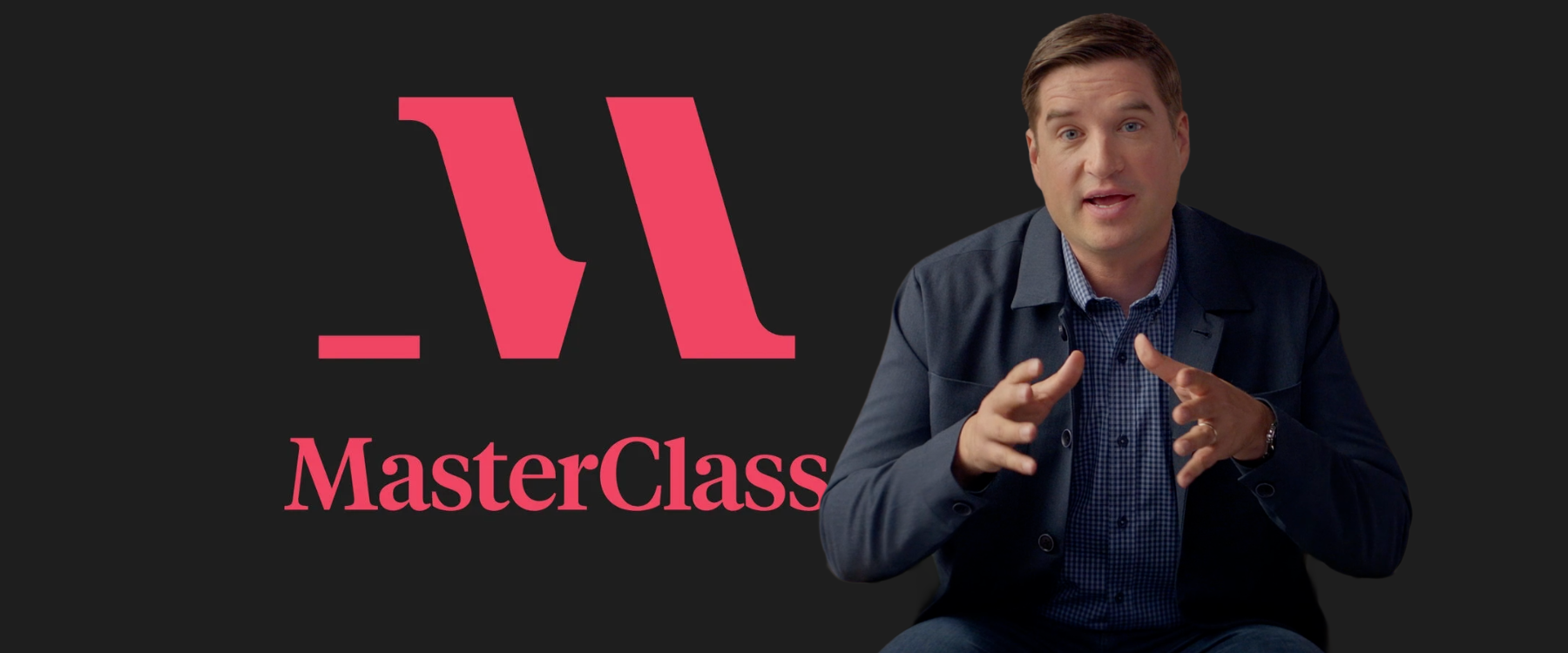
The esteemed author and computer science professor Cal Newport has officially launched his highly anticipated MasterClass course, titled "Rebuild Your Focus & Reclaim Your Time." The course, primarily based on the principles outlined in his best-selling book Slow Productivity, with additional insights from Deep Work, became available last week following its filming last fall. Beyond offering practical strategies for navigating the complexities of modern digital life, Newport’s experience working with MasterClass has ignited a broader discussion about the rapidly evolving landscape of online video production and the diminishing quality gap between independent creators and legacy media entities.
Newport’s MasterClass: A Deep Dive into Productivity and Focus
Cal Newport, known for his incisive analysis of technology’s impact on human cognition and productivity, brings his acclaimed methodologies to the MasterClass platform. The course is designed to equip individuals with actionable strategies to combat digital distractions, cultivate profound focus, and ultimately reclaim valuable time in an increasingly fragmented world. Themes explored are central to the ongoing discourse within Newport’s popular newsletter, which frequently addresses the intricate intersection of technology and personal effectiveness. The launch of "Rebuild Your Focus & Reclaim Your Time" offers his extensive readership and new audiences a highly polished, visually engaging format to engage with these critical topics. The course is accessible via MasterClass’s subscription service, promising a premium educational experience reflective of the platform’s reputation for high production values and expert instruction.
The MasterClass Production Phenomenon: Elevating Online Content
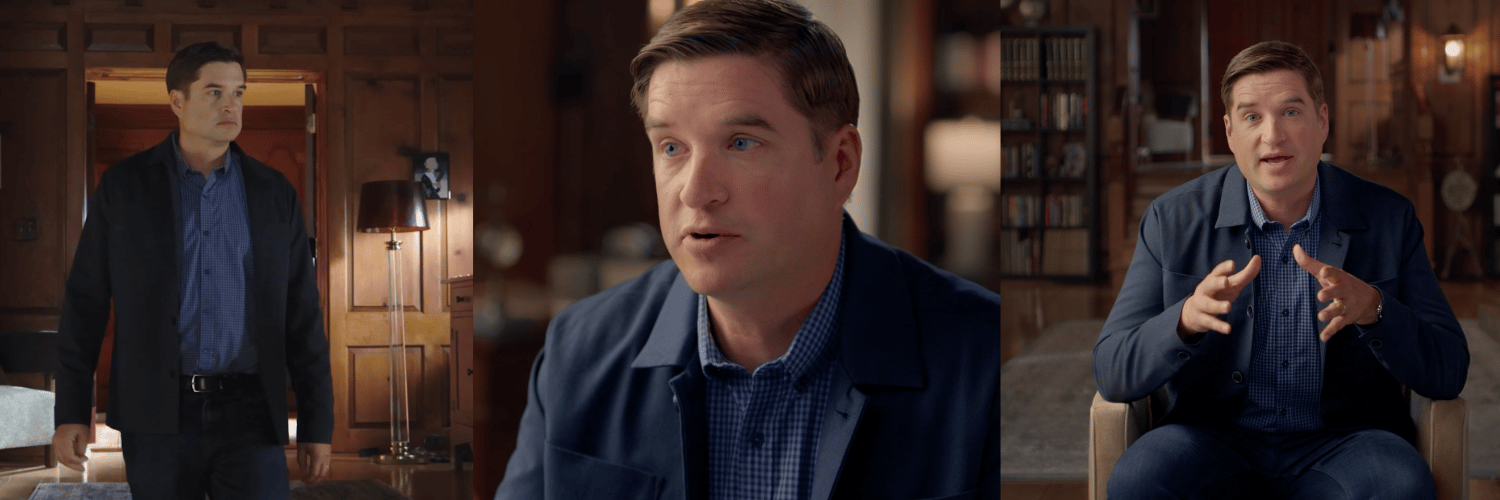
Newport’s personal account of the MasterClass production process underscores a significant trend in online content creation. He notes a stark contrast between the sophisticated setup employed by MasterClass and even the most well-regarded independent video podcasts, such as those hosted by figures like Mel Robbins, Andrew Huberman, or Rich Roll. While these independent productions often feature professional-grade equipment, including multi-camera setups and diffused lighting, MasterClass operates on a distinctly higher plane, mirroring the meticulous standards of high-end television or cinematic productions.
The scale of a MasterClass shoot involves a comprehensive crew, typically comprising a dedicated director, a seasoned cinematographer, multiple camera operators working in concert with focus pullers, gaffers, and grips, all supported by a team of production assistants. Newport humorously recounted his make-up artist’s recent work on a dramatic series, highlighting the caliber of talent deployed. This level of technical and artistic investment transforms educational content into an immersive visual experience, blurring the lines between instruction and entertainment. For Newport, an author accustomed to television appearances on morning shows and cable news, the MasterClass environment was akin to starring in a dramatic series or independent film, an observation that speaks volumes about the platform’s commitment to visual excellence.
The Enduring Quality Gap: Independent vs. Legacy Media
Newport’s experience crystallizes a critical distinction in the contemporary visual media landscape: the discernible quality gap between independent video, largely characterized by content produced for platforms like YouTube, and legacy video, typically associated with streaming services or linear television. This gap, he argues, has historically dictated consumer perception and monetization models. Audiences have been conditioned to expect and pay for the superior production quality of legacy content on platforms like Netflix, while generally accepting ad-supported models for the comparatively lower, though still often professional, quality of independent productions on platforms like YouTube.
However, this long-standing divide is rapidly narrowing. Platforms like MasterClass, despite not being funded by traditional streaming giants or television studios, consistently achieve production values indistinguishable from their legacy counterparts. This phenomenon is not isolated to large ed-tech platforms. A new wave of independent video producers is leveraging increasingly accessible high-end technology and refined production techniques to bridge this gap, challenging the traditional hierarchy of content creation.
Technological Advancements and Economic Shifts Fueling the Transformation
The democratization of high-quality video production is a multifaceted trend driven by significant advancements in technology and shifts in economic models. Over the past decade, the cost of professional-grade cameras, lighting, and audio equipment has plummeted, making tools once exclusive to large studios accessible to independent creators. Modern mirrorless cameras can capture stunning 4K footage, while sophisticated editing software, once requiring specialized training and expensive licenses, is now more user-friendly and affordable. Furthermore, the rise of specialized freelancers—cinematographers, sound engineers, editors, and even makeup artists—has created a robust ecosystem where independent creators can assemble production teams capable of delivering studio-level results without the overhead of a traditional media company.
Simultaneously, the creator economy has matured, offering creators diverse monetization avenues beyond traditional advertising. Direct fan support through platforms like Patreon, merchandise sales, and increasingly, subscription-based content models, empower creators to fund ambitious projects without relying solely on ad revenue or external studio backing. This economic independence allows them to invest more heavily in production quality, knowing that their audience is willing to pay for premium content.
The Rise of the Micro-Streamer: A Glimpse into the Future
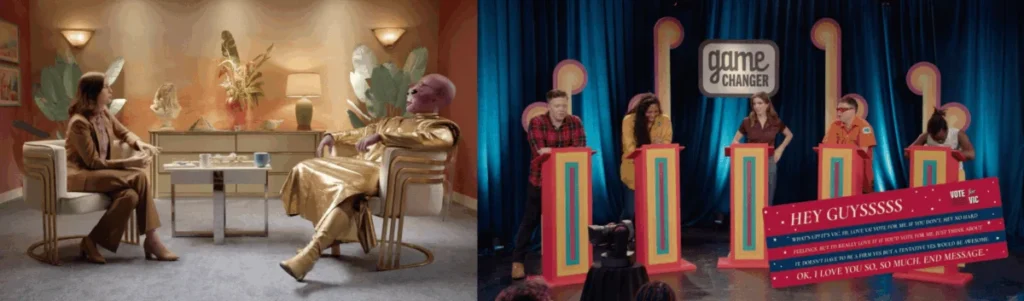
This confluence of technological accessibility and evolving monetization strategies is giving rise to a new market segment that Newport terms the "micro-streamer." These niche subscription services are defined by their combination of legacy-quality programming and a highly focused, engaged audience. A compelling example is Dropout TV, often stylized as :Dropout, a comedy streaming service that offers a slate of original, unscripted shows. Priced at $6.99 per month, Dropout provides content with production values on par with Netflix originals such as Is it Cake? or Nailed It!
The story of Dropout TV offers a crucial insight into this emerging model. It originated from CollegeHumor.com, a popular humor website from the early 2000s. As YouTube gained prominence, CollegeHumor initially shifted its focus to producing content for the platform. However, the inherent frustrations of operating within a third-party algorithm-driven model, where content creators are beholden to advertiser whims and platform changes, prompted a strategic pivot. Recognizing the value of direct audience engagement and subscription revenue, CollegeHumor launched its own subscription application, ultimately evolving into Dropout TV. This strategic move proved highly successful, with Dropout now boasting over a million subscribers, a significant achievement for an independent platform. This trajectory illustrates a powerful model for sustained growth and creative control outside the traditional media ecosystem.
Implications for the Media Landscape and Consumer Behavior
The proliferation of micro-streamers and the shrinking quality gap between independent and legacy video have profound implications for the broader media landscape.
- Increased Competition and Fragmentation: Major streaming services like Netflix, Disney+, and HBO Max face new competition not just from each other but from a growing array of niche platforms. While these micro-streamers may not challenge the behemoths in terms of sheer content volume, they offer highly curated experiences that appeal to specific demographics, potentially contributing to subscription fatigue among consumers.
- Empowerment of Creators: For content creators, the micro-streamer model offers unprecedented autonomy and direct connection with their audience. It liberates them from the constraints of advertising models and algorithmic gatekeepers, allowing for greater creative freedom and more equitable revenue sharing. This could foster a golden age for niche content, where creators can thrive by serving highly engaged communities.
- Evolving Consumer Expectations: As high production quality becomes more ubiquitous, consumer expectations will continue to rise across all platforms. The distinction between "amateur" and "professional" content will increasingly be less about budget and more about narrative quality, authenticity, and subject matter expertise. Consumers may become less tolerant of lower production values even on free platforms, pushing all creators to invest more in their craft.
- New Business Models: The success of Dropout TV highlights the viability of direct-to-consumer subscription models for independent content. This could inspire more creators, educators, and niche communities to build their own dedicated platforms, fostering a more diverse and decentralized media ecosystem. The potential for "unbundling" of content is vast, moving beyond the aggregated libraries of major streamers to hyper-focused offerings.
The Future: A Decentralized, High-Quality Content Ecosystem
Cal Newport’s observation about the MasterClass experience and the subsequent discussion of micro-streamers like Dropout TV point towards a fascinating future for online media. As the barriers to achieving high production values continue to fall, and as creators increasingly seek direct relationships with their audiences, the distinction between independent and legacy content will become almost entirely semantic. The deciding factor for audience engagement will shift even more profoundly towards content quality, originality, and the strength of the creator’s voice.
This trend suggests a future where individuals might curate their digital consumption not just through broad streaming services but also through a selection of highly specialized "apps" – perhaps even a "Deep Life TV" app, as Newport playfully speculates. Such a platform could offer movie-quality content focused on intentional living, productivity, and intellectual pursuits, directly catering to an audience seeking depth and substance away from the algorithmic noise of mass aggregation platforms.
In essence, the future of online media appears to be one of both convergence in quality and divergence in distribution. While the visual standard for online content continues to ascend, its delivery mechanisms are becoming more fragmented and personalized, promising an exciting and potentially more fulfilling experience for both creators and discerning consumers. Until such bespoke platforms become widespread, however, audiences seeking high-quality, focused content can already find Cal Newport’s cinematic guidance on "Rebuild Your Focus & Reclaim Your Time" available now through MasterClass.