


St. Louis Public Schools (SLPS) is grappling with a precipitous enrollment drop, prompting a preliminary proposal to shutter as many as 22 of its 62 schools. This drastic measure, announced on June 29, 2026, is the latest in a series of strategic reevaluations aimed at addressing declining student numbers and optimizing resource allocation. The district has experienced a staggering 58.5% decrease in enrollment over the past 34 years, a trend that has necessitated difficult conversations about the future of its educational infrastructure.
The current proposal, detailed in the district’s "Future Ready SLPS" long-term strategy, presents three distinct models for reorganizing schools, grade configurations, feeder patterns, specialized programs, and districtwide support sites. This initiative follows a similar, more extensive closure proposal introduced by SLPS in late 2025, which sought to close over half of its schools. That earlier plan was delayed due to unforeseen challenges, including the lingering impact of devastating tornadoes that struck the St. Louis area in May 2025 and significant leadership transitions within the district.
A Deep Dive into the Enrollment Crisis
The enrollment figures paint a stark picture of the challenges facing St. Louis Public Schools. The district’s previous projections for the 2025-26 school year anticipated a low of 15,400 students. However, revised data indicates that SLPS served 17,981 students in the 2025 academic year and forecasts a student population of 16,723 for the 2026-27 academic year. While these numbers represent a slight recovery from earlier predictions, they underscore a persistent downward trend that demands substantial adjustments to the district’s operational footprint.
The decision to consider such significant school closures is not unique to SLPS. Across the nation, public school districts are confronting similar pressures. Many operate underutilized facilities, grapple with budget deficits, and are forced to make difficult decisions regarding consolidation and closure. According to K12 Dive’s tracking of school closures, such plans are becoming increasingly common as districts strive to align their resources with actual student needs. The proposed closure of up to 22 schools by SLPS would represent one of the most substantial closure initiatives approved nationally in recent times. For context, the Cleveland Metropolitan School District in Ohio approved a plan in December 2025 to close or merge 29 schools, a decision driven by a 50% enrollment decline over two decades.
Tracing the Path to the Current Proposal
The seeds of the current closure discussions were sown in 2025 when SLPS first acknowledged the severity of its enrollment decline. The initial proposal, which envisioned closing more than half of its 68 schools, was put forth in the wake of widespread community disruption caused by the May 2025 tornadoes. The tornadoes not only displaced families but also added a layer of complexity to educational planning, potentially exacerbating existing enrollment challenges.
The district’s leadership at the time navigated a turbulent period marked by internal restructuring and the immediate aftermath of the natural disaster. This confluence of factors led to the postponement of the 2025 closure plan, as reported by The St. Louis American, which highlighted the district’s ongoing efforts to "navigate leadership turbulence" and manage tornado recovery operations. This period of deliberation and recalibration has now culminated in the "Future Ready SLPS" strategy, which offers a more nuanced approach with multiple scenarios.
Examining the "Future Ready SLPS" Models
The "Future Ready SLPS" plan is designed to be a comprehensive, long-term strategy for the district’s future. It aims to optimize the use of school facilities, enhance educational delivery, and ensure financial sustainability. The three proposed models offer different organizational frameworks:

-
Model A: Traditional District Portfolio: This model retains the conventional structure of elementary (pre-K-5), middle (6-8), and high schools (9-12). While maintaining this familiar configuration, it still necessitates a reduction in the total number of schools, from the current 62 down to between 42 and 47. This approach focuses on optimizing the utilization of existing buildings within the established grade-level groupings.
-
Model B: Integrating Pre-K-8 Schools: This model introduces a greater emphasis on pre-K-8 schools, while still maintaining other traditional elementary, middle, and high school structures. Under this plan, the number of schools would be reduced to between 43 and 46. The introduction of more combined-grade schools could potentially streamline student transitions and create more cohesive learning communities within each building.
-
Model C: Maximizing Pre-K-8 and Minimizing Middle Schools: This model proposes the most significant reduction in the number of schools, aiming for a total of 40 to 42 buildings. It prioritizes the creation of more pre-K-8 schools and consequently reduces the number of separate middle school configurations. This approach suggests a potential shift towards longer, more integrated educational pathways for students before they enter high school.
Financial Implications and Staffing Considerations
The proposed school closures are projected to yield substantial financial benefits for St. Louis Public Schools. The preliminary proposal estimates annual savings ranging from $16.6 million to $17.9 million in staffing costs and an additional $2 million to $13 million in transportation expenses. These savings are crucial for a district facing the ongoing challenge of operating undercapacity facilities.

The impact on staffing is a significant consideration within these plans. The district anticipates a reduction in certified teaching positions, from the current 1,575 to as low as 1,481. However, SLPS has emphasized that these reductions would primarily target vacant roles or positions currently filled by long-term substitute teachers. The aim, according to district officials, is to achieve efficiency without resorting to widespread layoffs of tenured staff, a common concern for educators during such consolidation efforts.
Broader Impact and Community Response
The announcement of the potential school closures has undoubtedly sparked concern and discussion within the St. Louis community. While official statements from parent-teacher associations, community advocacy groups, and individual families are still emerging, the historical context suggests a range of reactions. Previous proposals have elicited strong opinions regarding the impact on neighborhood schools, student access, and the potential for increased transportation times.
The district’s commitment to the "Future Ready SLPS" strategy, with its multiple models, suggests an effort to engage stakeholders in shaping the future of education in St. Louis. The eventual decision will likely involve extensive community input sessions, public hearings, and detailed analyses of the logistical and social implications of any approved changes. The long-term success of these initiatives will depend not only on sound financial planning but also on the district’s ability to foster trust and collaboration with the families and communities it serves.
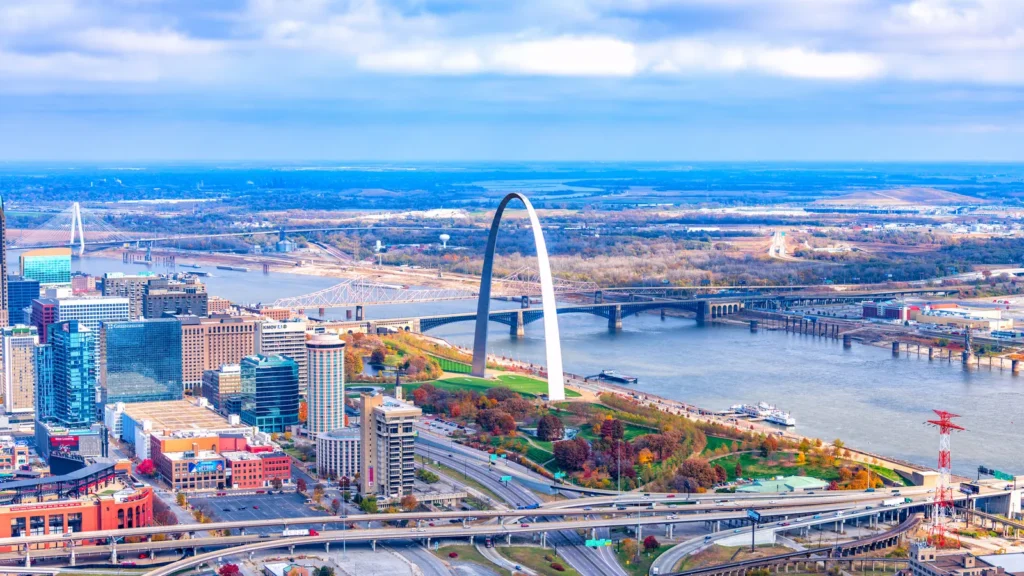
The aerial view of downtown St. Louis, with the iconic Gateway Arch standing sentinel over the Mississippi River, serves as a potent reminder of the city’s enduring presence. The future of its educational landscape, however, is undergoing a period of profound reevaluation, driven by the imperative to adapt to demographic shifts and ensure a sustainable and effective educational system for generations to come. The coming months will be critical as SLPS navigates the complex process of refining its proposals and making decisions that will shape the educational future of thousands of students.