


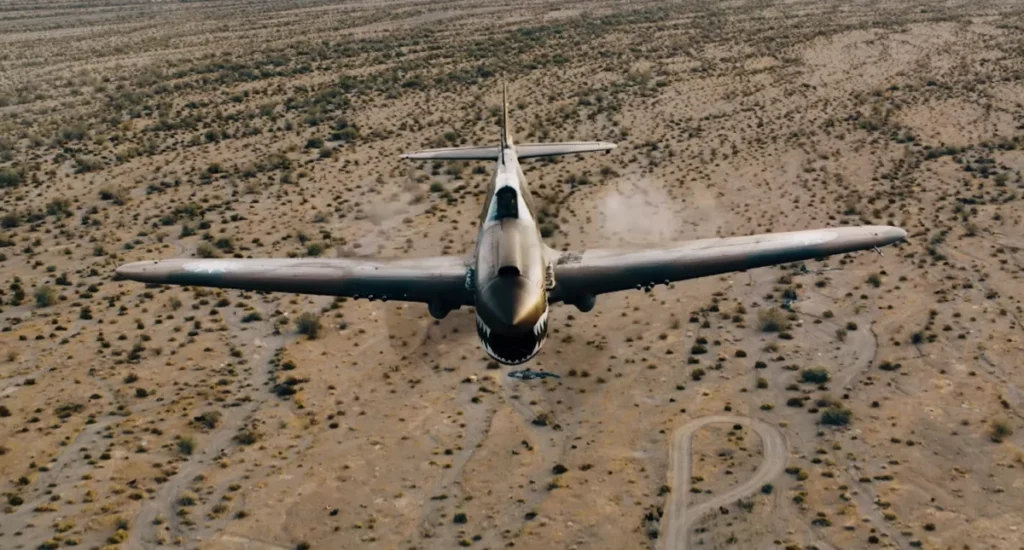
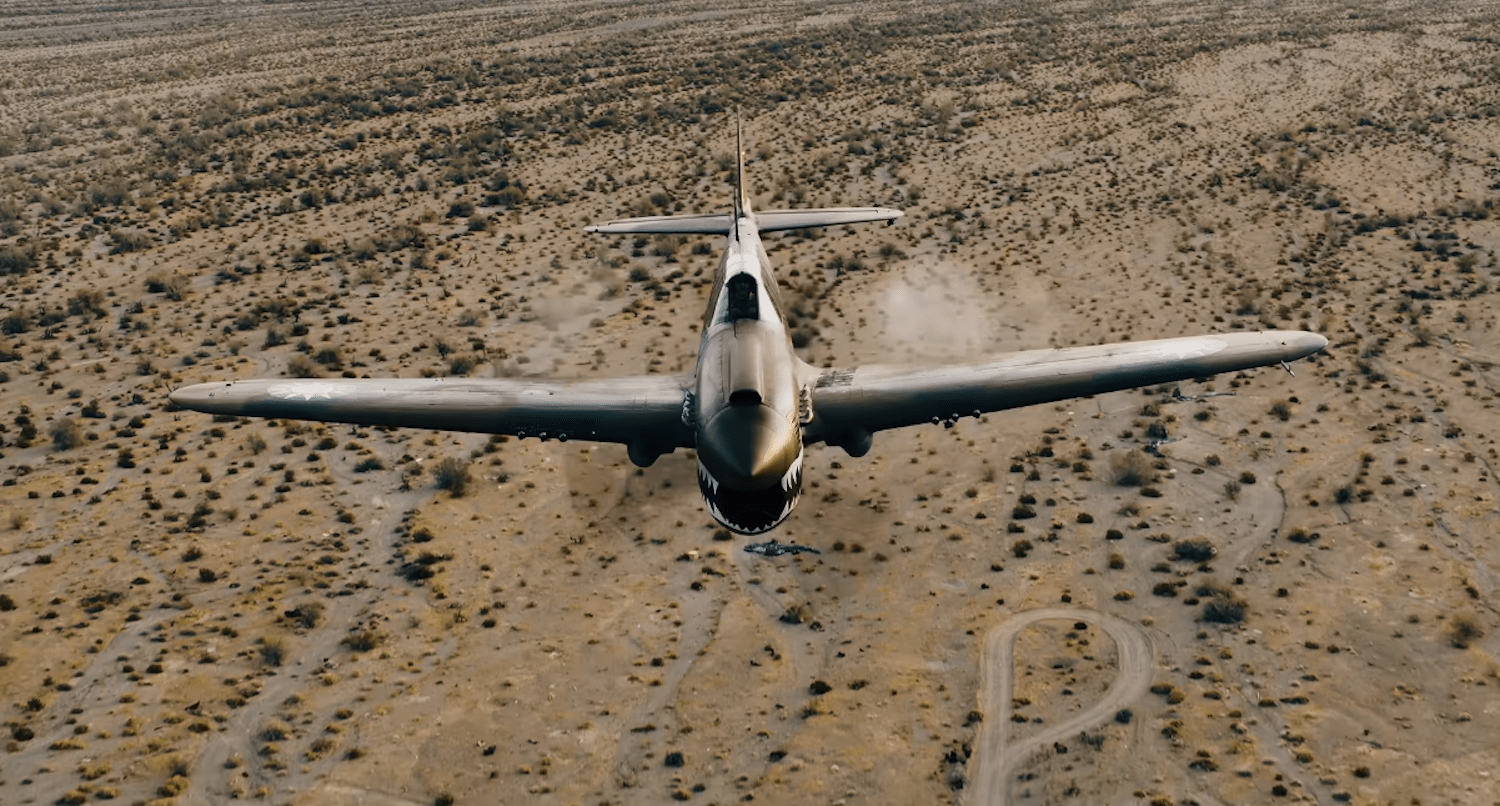
The preservation of aviation history reached a significant milestone recently as the Soaring By The Sea Foundation successfully completed a multi-year project to restore a Curtiss P-40 Warhawk to its full operational glory, including the rare integration of functioning armament systems. While many historic aircraft from the World War II era are maintained in "museum quality" condition—often relegated to static displays or gentle flight demonstrations—this specific restoration effort sought to bridge the gap between a mechanical relic and a living piece of history. For over two years, a dedicated team of engineers, historians, and artisans worked to revive P-40N-1 A29-448, ensuring that the fighter was not only airworthy but also capable of demonstrating the intense firepower that once made it a staple of the Allied air campaign.
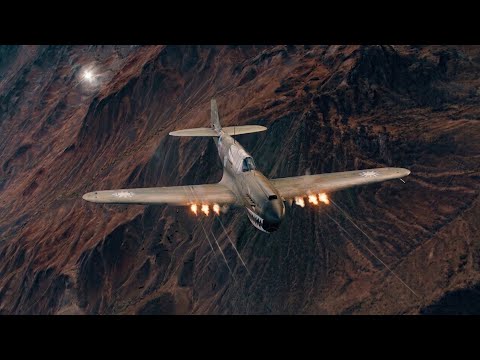
The project culminated in a series of flight tests and a public demonstration where the aircraft took to the skies to fire its recreated six .50 caliber machine guns. This feat required the meticulous application of 1940s-era armament manuals and technical specifications to ensure that the heavy artillery functioned safely within the modern regulatory landscape. The successful demonstration serves as a rare look at the visceral reality of aerial combat technology from the mid-20th century, providing a sensory link to a generation of pilots who operated these machines under the most grueling conditions of the Pacific, European, and North African theaters.
The Technical Legacy of the Curtiss P-40 Warhawk
The Curtiss P-40 Warhawk holds a unique, if sometimes debated, position in the pantheon of World War II aviation. First taking flight in 1938 and entering mass production shortly thereafter, the P-40 was the primary pursuit plane of the United States Army Air Forces (USAAF) when the nation entered the war in December 1941. It was a development of the earlier P-36 Hawk, replacing the radial engine with a liquid-cooled Allison V-1710 V-12 engine. This gave the aircraft its characteristic sleek, shark-nosed profile—a design that would later become legendary when adorned with the iconic "shark mouth" nose art of the 1st American Volunteer Group (AVG), better known as the Flying Tigers.
From a technical standpoint, the P-40 was a robust, all-metal fighter and ground-attack aircraft. During its production run between 1939 and 1944, over 13,738 units were manufactured at the Curtiss-Wright Corporation facility in Buffalo, New York. The "N" variant, which the Soaring By The Sea Foundation has restored, represented the final major production version of the Warhawk. To improve performance, engineers had lightened the airframe, removed two of the six machine guns in early N-models (though many, including the restored unit, retained or reverted to the six-gun configuration), and installed a more powerful version of the Allison engine.
Despite its ubiquity, the P-40 faced criticism from pilots and commanders who compared it unfavorably to the high-altitude capabilities of the German Messerschmitt Bf 109 or the extreme agility of the Japanese Mitsubishi A6M Zero. The Allison engine lacked a two-stage supercharger, which meant the P-40’s performance dropped off significantly above 15,000 feet. However, at low to medium altitudes, the P-40 was a formidable opponent. It was famously rugged, capable of sustaining heavy combat damage and returning the pilot safely to base—a trait that earned it the deep respect of those who flew it in the rugged environments of the South Pacific and the deserts of North Africa.

Chronology of P-40N-1 A29-448: From Combat to Recovery
The specific airframe restored by the Soaring By The Sea Foundation, serial number A29-448, possesses a documented combat history that highlights the typical life cycle of a front-line fighter in the Pacific Theater. Delivered to the Royal Australian Air Force (RAAF) on May 5, 1943, the aircraft was immediately thrust into the Allied effort to halt Japanese expansion in New Guinea.
Throughout 1943 and early 1944, A29-448 was utilized for a variety of mission profiles. Records indicate it flew dozens of sorties, including providing high-cover for Allied bomber formations, conducting strafing runs against enemy coastal positions, and performing defensive patrols. The aircraft is credited with engaging in direct combat at least seven times. Its service life came to an abrupt end on May 4, 1944, exactly one year after its delivery. During a mission near the town of Tadji in Papua New Guinea, the aircraft suffered catastrophic hydraulic and electrical failures. The pilot, facing a loss of control over the landing gear and other critical systems, was forced to perform a "wheels-up" belly landing on a remote airfield.
While the pilot survived the incident, the P-40 was deemed too damaged for immediate field repair and was abandoned as Allied forces moved further north. For thirty years, the aircraft sat in the tropical environment of Papua New Guinea, slowly being reclaimed by the jungle. It was not until 1974 that aviation salvagers recovered the airframe. It was eventually transported to New Zealand, a hub for vintage military aircraft restoration. In the 1990s, Pioneer Aero Restorations began the arduous task of rebuilding the airframe from the ground up, utilizing a mix of original parts and newly fabricated components to meet modern safety standards. The aircraft returned to the sky in 2000, becoming a staple of the international airshow circuit before the Soaring By The Sea Foundation took stewardship of the plane to complete its most recent and most ambitious phase of restoration: the armament.
The Restoration of the Six-Gun Array
The most striking aspect of the foundation’s recent work is the restoration of the aircraft’s offensive capabilities. The P-40 Warhawk’s primary sting came from six .50 caliber M2 Browning machine guns, mounted three in each wing. In the context of the 1940s, this represented a massive amount of concentrated fire, capable of shredding unarmored aircraft and light ground vehicles.
Restoring these systems to a functional state—even for demonstration purposes—presented a complex engineering challenge. The foundation had to source or manufacture components that had not been in production for eight decades. This included the complex ammunition feed chutes, the pneumatic charging systems, and the synchronization hardware that ensured the guns fired correctly from the wings.
Coy Pfaff, the Executive Director of the Soaring By The Sea Foundation, emphasized that the goal was not merely aesthetic. The team utilized original technical manuals to ensure the recreation was as authentic as possible while adhering to strict safety protocols. The recent footage of the aircraft firing its guns mid-flight represents a rare convergence of historical accuracy and modern mechanical reliability. By seeing and hearing the guns in action, historians and enthusiasts gain a better understanding of the physical stresses placed on the airframe during combat, including the vibration and the recoil that pilots had to manage while simultaneously maneuvering in a dogfight.
Strategic Impact and Historical Analysis
The P-40 is often described by military historians as the "workhorse" that held the line. In the early years of the war, the United States lacked the high-performance P-51 Mustangs and P-47 Thunderbolts that would later dominate the skies. The P-40 was available in large numbers, easy to maintain, and capable of being shipped to every corner of the globe.
In the Pacific, the P-40 was instrumental in the "attrition warfare" strategy against the Japanese Imperial Navy and Army Air Service. While the Zero could out-turn the P-40, Allied pilots developed tactics such as the "boom and zoom"—using the P-40’s superior diving speed to strike and then climb away before the enemy could react. The restoration of A29-448 underscores the importance of these tactics; the six-gun battery allowed for a high volume of fire during the brief windows of opportunity afforded by high-speed diving passes.
Furthermore, the P-40’s role in the Lend-Lease program cannot be overstated. Thousands of units were sent to the Soviet Union and Great Britain. In Soviet service, the P-40 was often used for low-level ground attack and intercepting German bombers, where its lack of high-altitude performance was less of a liability. By keeping these aircraft in the air today, foundations like Soaring By The Sea preserve the memory of the global industrial effort required to sustain these diverse fronts.
The Role of Living History Foundations
The work performed by the Soaring By The Sea Foundation reflects a broader movement within the aviation community to move beyond "gate guards" and static museum pieces. Proponents of "living history" argue that the true value of an aircraft like the P-40 lies in its operation. The sound of the Allison engine, the smell of the exhaust, and the visual of the aircraft in its natural element provide an educational experience that a stationary plaque cannot replicate.
"We want to keep these things as active as possible," said Coy Pfaff. This philosophy involves a constant cycle of maintenance, inspection, and pilot training. Operating a vintage fighter is a high-risk, high-cost endeavor, often funded by private donations and airshow appearances. However, the educational payoff is significant. These aircraft serve as flying classrooms, teaching younger generations about the engineering leaps made during the 1940s and the sacrifices made by the "Greatest Generation."
The restoration of the armament system adds a final layer of context. It reminds viewers that these were not just transport vehicles or hobbyist planes; they were highly specialized weapons systems designed for a singular, violent purpose. Understanding the lethality of the P-40 is essential to understanding the reality of the air war in the 1940s.
Future Outlook and Educational Initiatives
With the successful live-fire demonstration complete, the Soaring By The Sea Foundation is preparing to share the story of A29-448 with a wider audience. A comprehensive documentary detailing the two-year restoration process, the history of the Tadji airfield recovery, and the technical hurdles of the gun installation is scheduled to debut on July 10 via the foundation’s digital platforms.
This documentary is expected to provide a deep dive into the "aviation archeology" that made the project possible. It will feature interviews with the restorers and footage of the aircraft’s return to the skies. As the number of surviving World War II veterans continues to dwindle, projects like the P-40 Warhawk revival become increasingly vital. They ensure that the mechanical legacy of the conflict remains tangible, providing a bridge between the historical record and the physical reality of the machines that shaped the outcome of the 20th century.
The P-40N-1 A29-448 stands today as a testament to both 1940s engineering and 21st-century dedication. From the jungles of Papua New Guinea to the modern airshow circuit, its journey reflects the enduring fascination with an era of aviation that changed the world. Through the efforts of the Soaring By The Sea Foundation, the Warhawk’s "shark mouth" continues to patrol the skies, reminding all who see it of a pivotal chapter in military history.