


High school English language arts (ELA) teachers Brian Sztabnik and Susan Barber have launched a significant initiative to address a pervasive challenge in education: student disengagement with textual material. Their collaborative efforts, culminating in the publication of "100% Engagement: 33 Lessons to Promote Participation, Beat Boredom, and Deepen Learning in the ELA Classroom," offer practical, low-tech, and highly effective strategies designed to transform passive readers into active, analytical participants. This publication emerges from a decade of community-building among ELA educators and directly confronts the issue of waning student enthusiasm for core curriculum content, particularly in an era dominated by digital distractions and evolving learning preferences.
The Persistent Challenge of Textual Engagement in ELA
The foundation of English language arts education traditionally rests upon deep interaction with diverse texts—ranging from classic literature and contemporary novels to poetry, articles, and textbooks. This textual immersion is crucial for developing critical literacy, analytical thinking, empathy, and communication skills. However, educators frequently report a struggle to maintain student interest, noting instances where classroom activities involving texts can become monotonous or perceived as irrelevant by students. This "glazed-over" effect, as Barber describes it, indicates a significant pedagogical hurdle, impacting comprehension, retention, and ultimately, students’ long-term appreciation for literature and critical thought.

Modern educational research consistently highlights the importance of active learning in improving student outcomes. Studies by institutions like the National Academies of Sciences, Engineering, and Medicine have demonstrated that active learning strategies lead to higher student performance in STEM courses, a principle widely applicable across disciplines, including ELA. Yet, many ELA classrooms continue to rely heavily on traditional lecture-based instruction, independent silent reading, and rote comprehension questions, which can inadvertently foster passivity. The digital age further complicates this landscape, with students accustomed to interactive, immediate, and visually stimulating content, making static text interaction less appealing without intentional pedagogical innovation. The challenge for ELA teachers is to bridge this gap, ensuring that foundational skills in textual analysis are developed through dynamic and meaningful engagement.
A Decade of Community and Curated Solutions
Brian Sztabnik and Susan Barber, both seasoned high school English teachers, identified this widespread problem not just in their own classrooms but also through extensive interaction with a broader community of educators. Over the past decade, they have cultivated an online presence through social media discussions and their popular blog, "Much Ado About Teaching." This platform became a nexus for ELA teachers to share challenges, seek advice, and collaborate on effective teaching practices. Through this sustained engagement, Sztabnik and Barber gained invaluable insight into the common pain points experienced by their peers, particularly the difficulty in designing lessons that genuinely captivate students and promote deeper learning beyond superficial understanding.
Their journey from online community builders to published authors represents a natural progression. Recognizing a collective need for practical, ready-to-implement solutions, they began systematically curating a collection of strategies. These strategies were not theoretical constructs but classroom-tested methods proven to invigorate student interaction with texts. The culmination of this dedicated work arrived earlier this year with the release of "100% Engagement." The book positions itself as a vital resource for ELA teachers seeking to inject creativity and renewed purpose into their curriculum, moving beyond conventional approaches to foster genuine student participation and analytical rigor. The book’s title itself, "100% Engagement," reflects an ambitious yet achievable goal for any classroom.
Spotlight on Innovative Engagement Strategies
The book "100% Engagement" offers 33 distinct lessons, three of which were recently highlighted in a podcast interview, showcasing their effectiveness and adaptability. These strategies exemplify the book’s core philosophy: fostering active learning, critical thinking, and collaborative engagement through simple, low-tech methods that often get students physically moving and intellectually grappling with material.
Strategy 1: Cutting Up Poems – Deconstructing for Deeper Understanding
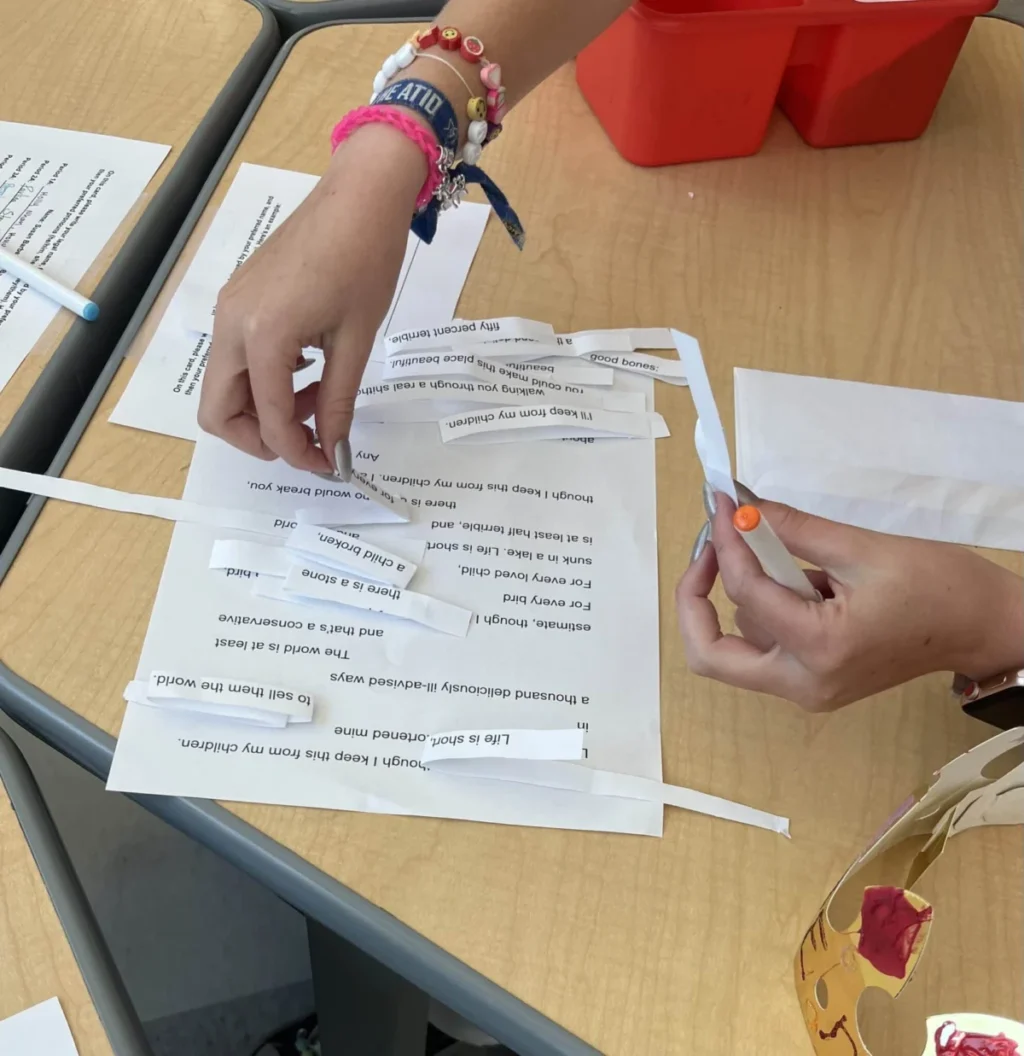
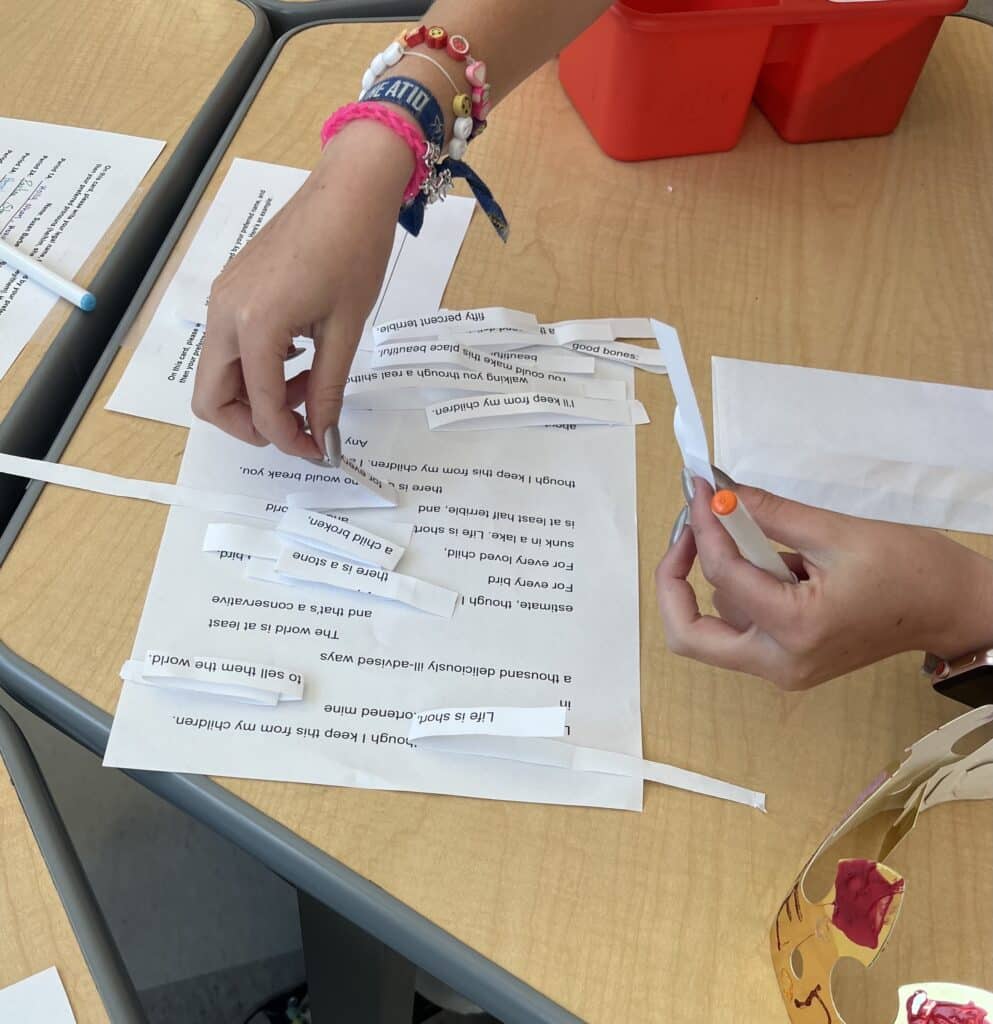
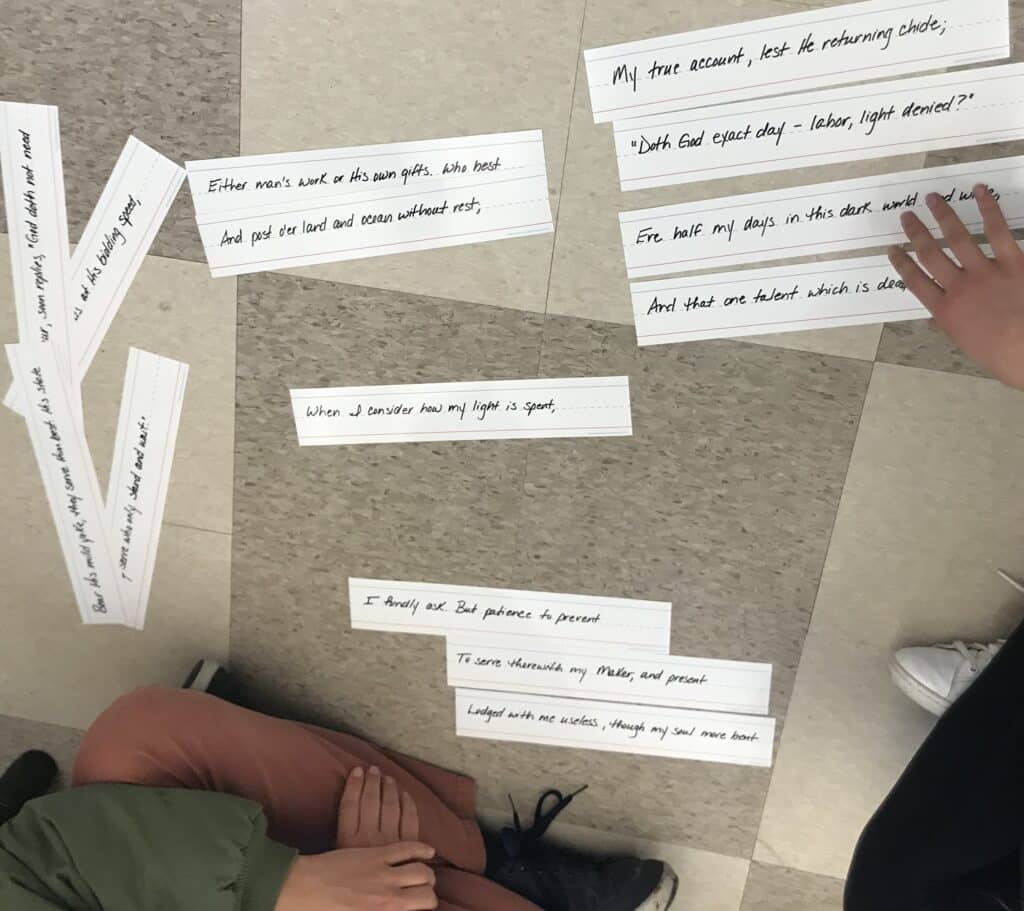
One particularly inventive strategy, "Cutting Up Poems," directly addresses the often-intimidating nature of poetry analysis. In this activity, a poem is meticulously cut into individual words, phrases, or lines, and students are tasked with reconstructing it. This seemingly straightforward act of physical rearrangement forces students into an intensely close reading, far exceeding the passive engagement typically associated with simply reading a poem off a page.
As Susan Barber eloquently explains, "If I would have passed out this poem and said, I want you to do a close reading, their eyes would be glazed over." The tactile and problem-solving nature of the task fundamentally alters this dynamic. Students must engage analytically from the outset, considering grammatical structures, punctuation, capitalization, and semantic flow to determine the correct sequence. "They’re having to consider, Does this make sense if it goes here? Well, this is a capital letter, so it may not go in the middle of those sentences, or this is a comma here, that may not fit right there." This process inherently promotes discussions about poetic form, syntax, and meaning, laying a robust foundation for subsequent annotation and comparison with the original text. The "teacher trick," as Barber playfully labels it, is its ability to bypass initial resistance and plunge students directly into analytical thought.
Educators implementing this strategy often report a dramatic shift in student demeanor during poetry lessons. What might have been a quiet, individual struggle becomes a lively, collaborative puzzle. The act of physically manipulating text engages kinesthetic learners and transforms an abstract analytical task into a concrete problem-solving exercise. This approach aligns with constructivist learning theories, where students actively build knowledge through hands-on experience and interaction. The subsequent discussion and annotation of their reconstructed versions, followed by a comparison to the original, further solidifies their understanding of authorial choices and the nuances of poetic expression. This method has been praised for democratizing access to complex texts, making intricate literary analysis accessible and engaging for a wider range of learners.
Strategy 2: Inferential Timeline – Charting Narrative and Significance
The "Inferential Timeline" is another powerful strategy designed to deepen student comprehension and analytical skills, particularly when working with longer narrative texts like novels. This multi-tiered activity begins by assigning each student a specific segment of a novel. On an index card or post-it, the student identifies the most crucial event or development within their assigned pages and supports it with a relevant quote. These cards form the top tier of a classroom-wide timeline.
Brian Sztabnik emphasizes the cognitive demands of this initial step: "What I’m really asking is to summarize the plot and boil it down to one or two sentences. So this is all about decision-making and cutting out the extraneous details and just focusing on what’s really important." This process compels students to distill complex narrative information, identify key plot points, character developments, or emergent symbols, and provide textual evidence—essential skills for academic success.
The second tier of the timeline introduces a collaborative inferential component. Students then select a classmate’s card from the top row and, on a new card, articulate why that specific event is significant within the broader narrative. "It’s collaborative without being collaborative physically," Sztabnik notes, highlighting the mental collaboration involved. "They have to look at their classmate’s card, determine what happened, and make an inference about why that event was so important in the grand scheme of those chapters. So here’s where we’re getting to the higher level thinking—we can understand the plot; now we need to draw conclusions." This segment pushes students beyond mere summary into higher-order thinking, requiring them to analyze cause and effect, thematic connections, and character motivations. The lesson culminates in a "gallery walk," where students review the entire timeline, absorbing the collective insights and inferences of their peers, fostering a holistic understanding of the text’s progression and deeper meanings. This strategy not only strengthens individual analytical skills but also cultivates a shared understanding of the text through peer interpretation and synthesis, leveraging the power of distributed cognition.
Strategy 3: Text Rendering – Precision in Meaning-Making
"Text Rendering" offers a precise method for teaching students to pinpoint specific textual evidence and develop nuanced interpretations. This strategy addresses a common challenge identified by Susan Barber: students’ tendency to rely on "big, general ideas" when discussing texts without anchoring their interpretations to specific passages. "I have trouble every year getting students to narrow their focus when they’re making meaning from the text," she admits. "They talk in these really big, general ideas, and I would be like, Where did this come from? And they’re like, You know, it’s just there. It has to come from someplace specific in the text. I had to find some activity to get them to take the big ideas to the small."
The "Text Rendering" process guides students through a hierarchical selection: from an initial passage, they choose the most important sentence, then the most crucial phrase or clause within that sentence, and finally, the single most impactful word from that phrase. This structured narrowing forces students to make deliberate choices, scrutinize linguistic details, and articulate their reasoning. The subsequent small group discussions, where students defend their choices, refine their analytical skills and deepen their understanding of authorial intent and textual meaning. This iterative process of selection and justification cultivates an invaluable skill: the ability to move from macro-level comprehension to micro-level textual analysis, a cornerstone of advanced literary study and critical thinking.
This strategy is particularly effective in cultivating academic precision. It trains students to provide explicit textual support for their claims, moving away from subjective interpretations towards evidence-based arguments. Educators who have implemented "Text Rendering" report a noticeable improvement in the specificity and depth of student responses in essays and discussions. It demystifies the process of close reading, breaking it down into manageable, logical steps, and empowering students to uncover complex meanings embedded within seemingly simple words or phrases.
Broader Impact and Implications for ELA Pedagogy
The work of Sztabnik and Barber, supported by platforms like Cult of Pedagogy, Listenwise, and Solution Tree, represents a significant contribution to contemporary ELA pedagogy. Their "100% Engagement" book and the accompanying online community (including the "100% Engagement" Facebook group and "Much Ado About Teaching" blog) offer a tangible shift towards more dynamic, student-centered learning environments. These strategies are not merely isolated activities but components of a larger pedagogical philosophy that prioritizes active participation, critical thinking, and collaborative inquiry.
The implications extend beyond mere classroom fun. By actively involving students in the deconstruction and reconstruction of texts, these methods foster deeper comprehension, enhance retention, and cultivate essential analytical skills necessary for academic success and informed citizenship. In an information-saturated world, the ability to critically evaluate and make meaning from complex texts is paramount. These low-tech, adaptable strategies provide teachers with accessible tools to meet these evolving demands, ensuring that ELA remains a vibrant and essential discipline. The emphasis on movement, collaboration, and decision-making caters to diverse learning styles, promoting inclusivity and boosting student confidence.
Furthermore, the creation of a supportive online community by Sztabnik and Barber underscores the importance of professional collaboration in education. By sharing resources and experiences, teachers can mitigate the isolation often felt in the profession and collectively elevate teaching standards. This model of teacher-led innovation and resource-sharing is crucial for the continuous improvement of educational practices. The positive reception and widespread adoption of these strategies indicate a growing recognition within the educational community that student engagement is not a superficial add-on but a fundamental prerequisite for profound learning. As educators grapple with the complexities of preparing students for an uncertain future, approaches that empower students to actively construct knowledge and develop robust analytical frameworks will undoubtedly shape the trajectory of ELA instruction for years to come.