

The American high school is facing a crisis of relevance. Across the nation, educators, policymakers, and students increasingly recognize that traditional secondary education models—built largely around the industrial-era needs of the 19th and early 20th centuries—fail to prepare modern students adequately for the complexities of the contemporary workforce and higher education. In response, a growing movement of educators and community leaders has sought to redesign secondary schooling, aiming to boost student engagement, improve academic performance, and deliver meaningful learning experiences. However, these local innovations frequently stall when confronted with rigid state regulations, outdated accountability systems, and inflexible funding structures.
According to a comprehensive new report released Tuesday by the National Association of State Boards of Education (NASBE), state education agencies hold the ultimate responsibility for breaking down these systemic barriers. Rather than attempting to dictate reform from the top down, state leaders must adopt policies that clear the path, establish enabling conditions, and empower local communities to reinvent their own schools. The report marks the culmination of a rigorous two-year initiative spearheaded by the NASBE High School Transformation State Network, a collaborative cohort of states working collectively to modernize the high school experience. Supported by a prestigious network advisory council comprising national experts in high school redesign, the science of learning and development, and systemic change, the findings offer a definitive roadmap for state-level policy intervention.
The Core Philosophy of High School Transformation
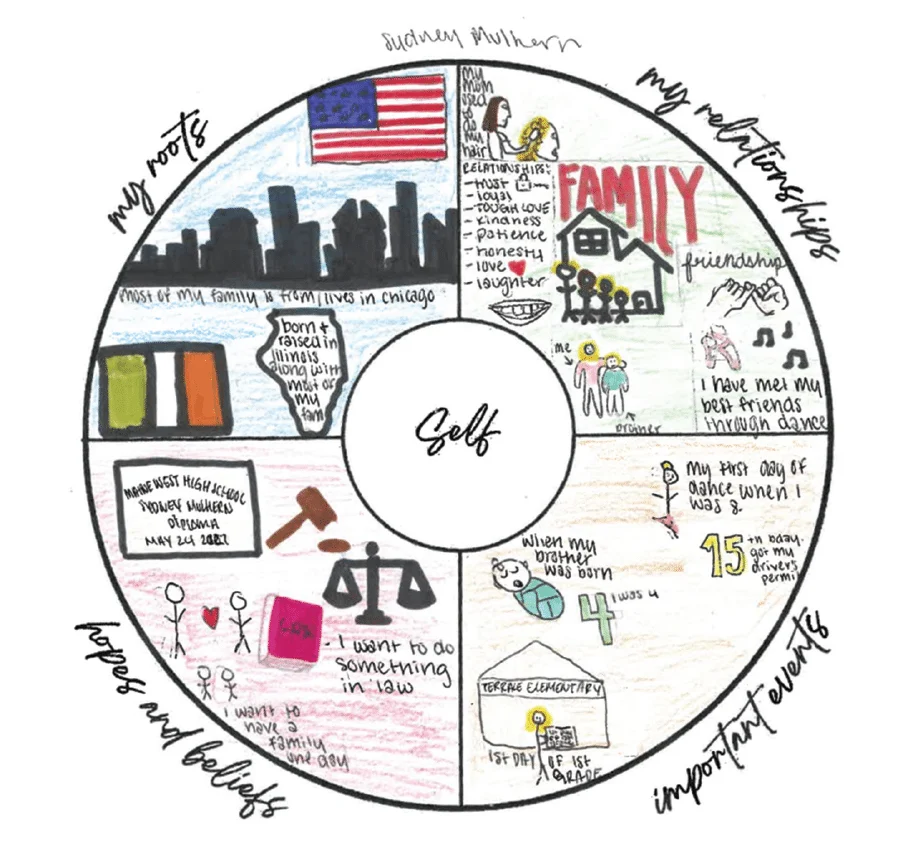
At the heart of the transformation movement is a fundamental shift in how educators view the purpose of secondary education. Transformed high schools are designed to cultivate vibrant, deeply engaging learning experiences that resonate with students’ personal interests and long-term aspirations. Jon Alfuth, co-author of the report and senior director of policy development at KnowledgeWorks—a national nonprofit dedicated to advancing student-centered learning opportunities—explains that these modern learning environments are specifically engineered to help young people discover their life paths.
According to Alfuth, high school transformation helps students recognize their intrinsic strengths, understand how to take meaningful action based on their talents, and connect classroom instruction to real-world impact. Celina Pierrottet, co-author of the report and associate program director at NASBE, emphasizes that these redesigned institutions do not operate in a vacuum. Instead, they rely heavily on robust, ongoing partnerships spanning school districts, state agencies, institutions of higher education, and local industry and community organizations. Building these collaborative networks is vital to the long-term success of school redesign, yet Pierrottet notes that establishing such partnerships requires immense time, sustained effort, and a profound cultural mindset shift regarding what a high school education can and should look like.
A Multi-Year Chronology and National Momentum
The release of the NASBE report arrives at a critical juncture in American education history. Over the past decade, a growing number of states have begun grappling with the limitations of standard Carnegie-unit systems, seat-time requirements, and high-stakes standardized testing regimes. The movement toward high school redesign gained significant momentum following disruptions to the educational landscape caused by the COVID-19 pandemic, which laid bare the deep disengagement many students experience within traditional learning environments.
The two-year trajectory of the NASBE High School Transformation State Network brought together diverse state teams to share best practices, pilot innovative policies, and analyze structural obstacles to reform. Concurrently, individual states have spent years laying the groundwork for comprehensive systemic overhauls. For example, the state of Indiana spent more than 12 months actively gathering exhaustive stakeholder input from educators, parents, business leaders, and students before finalizing a sweeping revision of its graduation requirements. These updated requirements, scheduled to take effect for all students beginning with the graduating class of 2029, introduce specialized readiness seals on high diplomas. Students can earn these distinctions by demonstrating advanced academic skill development, engaging in rigorous work-based learning experiences, and participating meaningfully in public service and civic involvement.
Despite these localized successes, experts emphasize that state governments must resist the temptation to impose uniform blueprints on every district. As Alfuth aptly summarizes, states do not transform high schools; communities transform high schools. The primary role of the state is to establish the supportive legal, financial, and regulatory conditions that enable local communities to execute their own localized visions successfully.
Five Pillar Policy Recommendations for State Action
To guide state education agencies through the complex process of enabling local innovation, the NASBE report outlines five critical policy recommendations. These strategies provide a comprehensive framework for states looking to modernize secondary education without sacrificing academic rigor or equity.
- Set a Strong Vision for School Transformation Efforts
State education agencies must establish a clear, cohesive vision that aligns educational programs, funding streams, and student outcome goals. One of the most effective ways to achieve this is by operationalizing "Portrait of a Graduate" competencies. A Portrait of a Graduate serves as a shared community and statewide vision outlining the specific knowledge, skills, and dispositions students should possess by the time they finish high school. Beyond traditional academic mastery, these frameworks explicitly incorporate vital 21st-century competencies such as critical thinking, complex problem-solving, effective communication, collaboration, adaptability, and civic responsibility.
State adoption of these frameworks has accelerated rapidly in recent years. According to the report, approximately 23 states have formally adopted Portrait of a Graduate policies or similar statewide competency expectations. For instance, the California State Board of Education adopted a comprehensive "Portrait of a Learner" framework designed as an optional guide for local school districts. California’s framework embeds essential learning competencies, including critical thinking, clear communication, multilingual learning proficiency, collaboration, and character development.
However, the NASBE report cautions that simply adopting a Portrait of a Graduate is insufficient. States must ensure that these aspirational portraits are tightly aligned with statewide curriculum standards, instructional materials, and teacher professional development supports so that classroom practice directly reflects the state’s overarching vision.
- Allow Space for Innovation and Flexibility
Traditional public education has long been bound by rigid operational constraints, including strict seat-time requirements, uniform school calendars, and tightly compartmentalized 50-minute class periods. To foster true innovation, states must provide schools with the regulatory flexibility necessary to experiment with alternative structures, pilot programs, and reimagined schedules.
A number of pioneering states and local districts have successfully created credit-earning learning experiences that occur entirely outside the traditional classroom walls. To support and scale these initiatives, states must deliberately broaden statutory definitions of when and where learning takes place, permitting greater variability in how school days and academic calendars operate.
Practical examples of this flexibility are already yielding positive results. In Pennsylvania, local educational agencies possess the statutory option to design their instructional calendars around total instructional hours rather than rigid daily attendance counts, allowing for asynchronous learning, extended internships, and hybrid schedules. Similarly, New Hampshire has pioneered competency-based education models, defining high-school graduation credits entirely around demonstrated mastery of specific learning standards rather than the traditional accumulation of hours spent sitting in a classroom.
- Prioritize Relevant, Engaging Learning Experiences
One of the most alarming findings highlighted in the NASBE report is the widespread prevalence of student disengagement. Insights gathered directly from high school students serving on state boards of education and participating in the NASBE student advisory council reveal that a significant percentage of young people feel disconnected from their high school coursework, struggling to see the immediate relevance of their studies to their future lives.
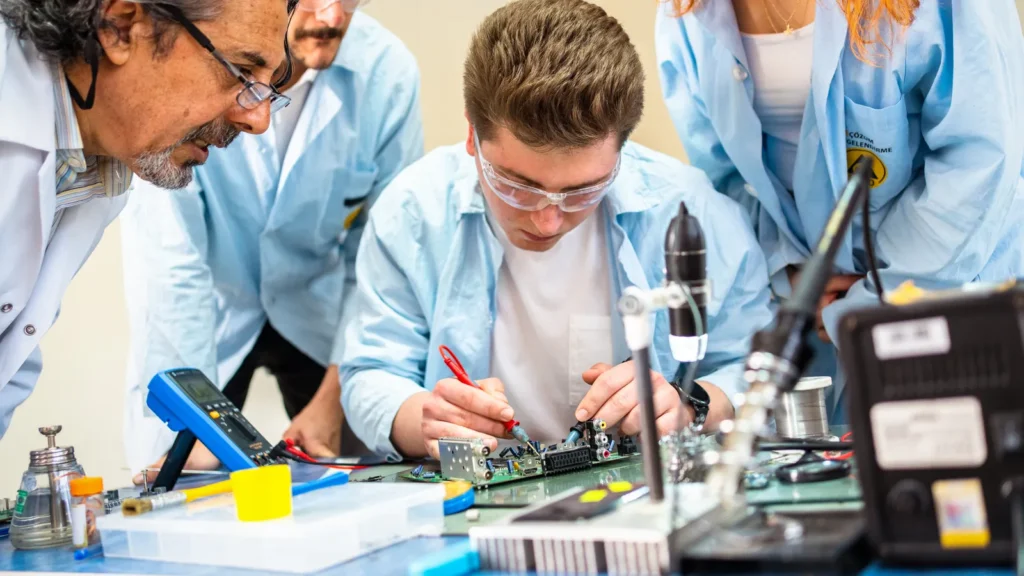
To combat this apathy and restore student enthusiasm, states must prioritize expanding access to high-quality, career-connected learning pathways. These include robust dual-enrollment programs that allow students to earn college credits before graduation, structured work-based learning opportunities, registered apprenticeships, and advanced Career and Technical Education (CTE) programming.
State-level action in this arena requires more than just funding; it necessitates sophisticated data infrastructure. States should build comprehensive longitudinal data systems that seamlessly link K-12 educational systems with institutions of higher education and regional labor market data. Such systems enable education leaders to identify high-demand postsecondary pathways that lead to genuine economic mobility while simultaneously phasing out vocational and academic programs that are no longer in demand by employers. In the District of Columbia, for example, the Office of Education Through Employment Pathways actively supports targeted education and workforce initiatives designed to guide youth and adults toward long-term economic security.
- Rethink Assessments and Accountability
Perhaps the most formidable obstacle to comprehensive high school transformation lies in traditional accountability structures. Currently, several progressive states have begun exploring how to broaden their college and career readiness accountability metrics to better evaluate whether their school systems are truly preparing students for lifelong success in higher education, the modern workforce, and civic life.
Despite the growing desire for modernization, this area remains exceptionally challenging to implement on a broad scale. Jon Alfuth points out the fundamental tension inherent in educational accountability: "Because at the end of the day, schools are still held accountable for a very traditional math, reading and science—to a certain extent—assessment approach. No one’s quite figured that out all the way to the end yet, but there are a lot of states that are starting to dig into that."
Despite the complexities, innovative models are emerging. The New York State Department of Education’s Performance-Based Learning and Assessment Networks (PLAN) program provides a notable precedent. The PLAN program grants participating pilot schools the authority to utilize multiple performance-based measures—such as capstone projects, oral defenses, and extensive portfolios—to evaluate student learning. This initiative builds directly upon years of foundational work conducted by progressive New York schools utilizing authentic, performance-based approaches to teaching, learning, and assessment.
- Expand Educator Capacity and Professional Support
Teachers, school administrators, and support staff form the backbone of any educational reform effort. If schools are expected to adopt innovative, student-centered practices, states must actively support educators in experimenting with new models and acquiring the specialized skills required to manage transformed learning environments.
States can expand educator capacity by critically examining how university-based teacher preparation programs ready prospective educators for employment in modern, innovative schools. Furthermore, state education agencies can update educator licensing standards and invest heavily in professional development programs centered on student-centered pedagogies, personalized learning, and competency-based instruction. Encouraging the formation of formal and informal professional learning communities also allows educators across districts to share best practices, troubleshoot shared challenges, and exchange valuable lessons learned.
A prime example of this support in action is the South Carolina Department of Education’s PersonalizeSC program. This statewide initiative is specifically designed to help practicing educators deepen their practical knowledge of student-centered instructional strategies and competency-based learning frameworks, ensuring that teachers feel fully equipped to guide students through redesigned high school experiences.
Broader Impact and Implications for the Future
The release of the NASBE report underscores a pivotal turning point in American education policy. As states across the country grapple with declining student engagement, shifting workforce demands, and the rapid evolution of technology, the traditional high school model is increasingly viewed as obsolete.
The policy recommendations detailed in the NASBE report provide a pragmatic blueprint for state boards of education and state education agencies seeking to bridge the gap between visionary local innovation and rigid systemic regulation. By establishing strong statewide visions through Portraits of a Graduate, granting regulatory flexibility for innovative scheduling, prioritizing career-connected and relevant learning, rethinking punitive or narrow accountability metrics, and heavily investing in educator capacity, states can create the fertile ground necessary for community-led transformation.
Ultimately, the success of these reform efforts will depend on sustained political will, cross-sector collaboration, and an unwavering commitment to equity. If state leaders heed the recommendations of the NASBE report, the American high school can evolve from an inflexible institution of the past into a dynamic launchpad that equips every young person with the skills, agency, and confidence needed to navigate a rapidly changing world.