



The teaching profession, often lauded for its dedication and impact, demands an extraordinary array of executive functioning skills—from meticulous lesson planning and intricate scheduling to managing student needs and a relentless flow of administrative tasks. For many educators, this constant juggling act can become an overwhelming challenge, particularly for those who are neurodivergent. Historically, the educational landscape has been largely structured around a "neuronormative" framework, inadvertently creating systemic barriers that can lead to burnout and underrecognition of the unique strengths neurodivergent teachers bring to the classroom. This article explores the experiences of neurodivergent educators, the systemic challenges they face, the invaluable contributions they offer, and the urgent need for inclusive practices and institutional support to foster a truly equitable and effective educational environment.
The Evolving Landscape of Neurodiversity and the "Lost Generation"
For decades, the understanding and diagnosis of neurodevelopmental conditions like ADHD, autism, and dyslexia were often limited, particularly in the early to mid-20th century. Diagnostic criteria were narrower, frequently focusing on externalized, hyperactive behaviors in boys for ADHD, and more severe, observable social and communication differences for autism. This historical context meant that many individuals, especially girls, high achievers, and those with more internalized or subtle presentations of neurodivergence, were overlooked. They learned to "mask" their struggles, adapting to neuronormative expectations at immense personal cost.
Consequently, a "lost generation" of neurodivergent adults, now in their 30s, 40s, and 50s, is only recently coming to terms with their own neurodivergence. This realization often dawns later in life, sometimes triggered by a child’s diagnosis, or through the increasing public discourse and self-identification facilitated by social media and podcasts. For these educators, the belated understanding provides immense relief—a framework to recontextualize lifelong patterns of overwhelm, inconsistency, and exhaustion. However, it also brings a sense of grief for the decades spent self-blaming and the unnecessary struggles endured while trying to conform to systems not built for their cognitive profiles.

The irony is stark: these educators were often trained to identify neurodivergent traits in their students, to collect data, document behaviors, and implement interventions, yet they rarely applied the same lens to themselves. The late-night lesson planning, the constant improvising, and the struggle with administrative deadlines were internalized as personal failings rather than systemic mismatches. This reinterpretation of their personal and professional history can be both liberating, offering self-understanding, and destabilizing, challenging their previous self-perception and their relationship with their work.
Despite growing awareness, significant stigma persists. Admitting difficulties with executive functioning, attention regulation, or sensory processing can feel professionally risky. In a profession that often equates "having it together" with competence, many neurodivergent teachers choose to remain silent, fearing that disclosure could be misinterpreted as incompetence or a lack of commitment. This silence perpetuates a cycle where systemic issues remain unaddressed, and valuable educators continue to struggle in isolation.
Invaluable Strengths: How Neurodivergent Educators Enrich Schools
Far from being a deficit, neurodiversity represents a spectrum of cognitive variations that can bring profound advantages to the educational setting. Neurodivergent teachers often possess unique strengths that make them highly effective, innovative, and empathetic educators. When schools create environments where these strengths are recognized and nurtured, the entire community benefits.
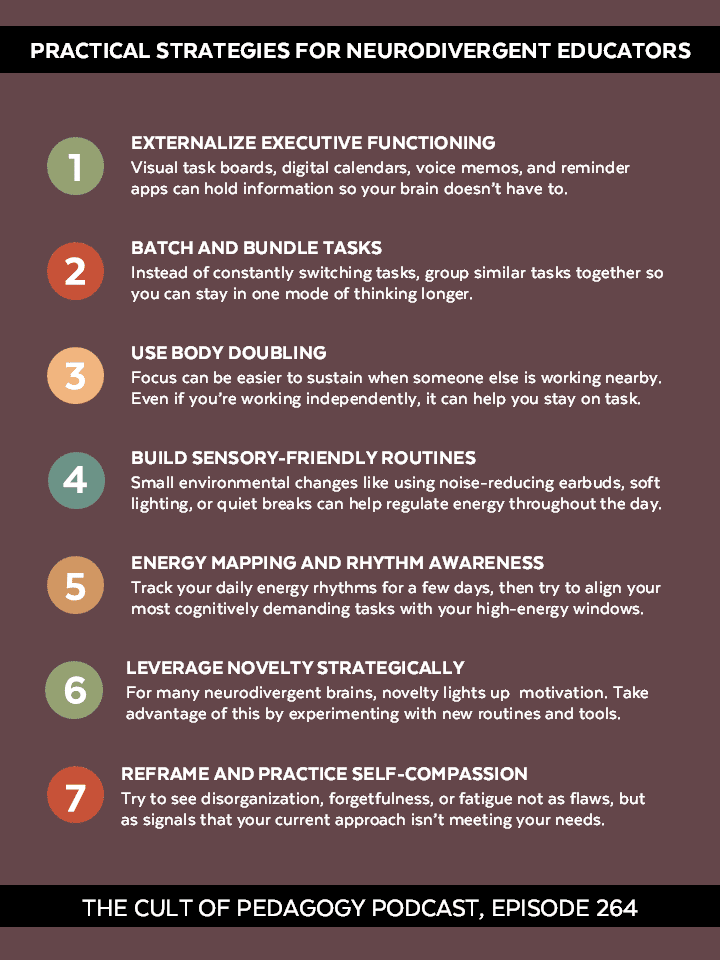
- Exceptional Empathy and Understanding: Many neurodivergent teachers have a deep, lived understanding of what it feels like to learn or interact differently. This personal experience fosters profound empathy, allowing them to connect more authentically with students who might also be struggling or feel misunderstood. They often excel at differentiating instruction and creating inclusive classroom environments, having personally navigated diverse learning needs.
- Innovative Problem-Solving and Creativity: Neurodivergent brains frequently process information in non-linear ways, leading to "out-of-the-box" thinking. This can manifest as highly creative lesson plans, novel approaches to classroom management, or innovative solutions to complex pedagogical challenges. They are adept at finding alternative pathways when traditional methods fall short.
- Authenticity and Relatability: When neurodivergent teachers feel safe to be themselves, they model authenticity for their students. They demonstrate that there isn’t one "right" way to think, learn, or teach, fostering a culture of acceptance and self-awareness. Students, particularly neurodivergent students, benefit immensely from seeing adults who openly embrace their unique cognitive profiles.
- Hyperfocus and Deep Expertise: Individuals with conditions like ADHD can often experience hyperfocus, allowing them to dive deeply into subjects of interest. This can translate into passionate, incredibly knowledgeable teaching, where educators convey a genuine enthusiasm for their subject matter that is infectious to students.
- Attention to Detail and Pattern Recognition: Some neurodivergent individuals, particularly those on the autism spectrum, possess a remarkable ability to notice patterns, details, and inconsistencies that others might miss. In education, this can be invaluable for identifying subtle student needs, tracking progress, or structuring complex information in a logical, accessible manner.
- Commitment to Fairness and Justice: Many neurodivergent individuals have a strong sense of justice and fairness, often stemming from personal experiences of being misunderstood or marginalized. This trait can drive them to advocate passionately for their students, ensuring equitable opportunities and a just learning environment.
These strengths, when allowed to flourish, enrich not only the learning experience for students but also the collaborative culture among staff. They demonstrate that cognitive diversity is a powerful asset in building dynamic, responsive, and truly inclusive schools.
When Systems Don’t Fit: Navigating Systemic Barriers
Despite these compelling strengths, neurodivergent educators often operate within systemic structures that are fundamentally misaligned with their needs. School environments, designed for the "average" brain, can inadvertently become sources of constant stress and energy drain.
- Executive Functioning Demands: The sheer volume of tasks requiring planning, organization, prioritization, and working memory can be overwhelming. Lesson planning, grading, communicating with parents, managing student data, attending meetings, and adhering to deadlines all demand robust executive functioning, which can be inconsistent for many neurodivergent individuals.
- Sensory Overload: Classrooms and school buildings are often high-sensory environments: fluorescent lights, constant noise (bells, chatter, alarms), strong smells, and visual clutter. For those with sensory sensitivities, this continuous input can be profoundly draining, leading to fatigue, irritability, and difficulty concentrating.
- Constant Transitions and Task-Switching: The school day is a relentless series of transitions—from one subject to another, one group of students to the next, teaching to administrative tasks. Neurodivergent brains often struggle with rapid task-switching, requiring significant cognitive effort to reorient and regain focus, leading to increased exhaustion.
- Social and Communication Expectations: The teaching role involves constant social interaction with students, colleagues, and parents, often requiring nuanced social cues, impromptu conversations, and managing complex group dynamics. For those with social communication differences, this can be emotionally and cognitively demanding.
- Rigid Routines and Lack of Flexibility: While some routine is beneficial, overly rigid schedules, standardized meeting formats, and inflexible administrative processes can be challenging. The expectation of uniformity can stifle innovative approaches and prevent educators from adapting their workflow to suit their natural rhythms.
- Bureaucracy and Paperwork: The administrative burden in education, including extensive documentation, compliance paperwork, and standardized reporting, can be a major source of stress. These tasks often require sustained focus, meticulous organization, and adherence to specific formats, which can be particularly difficult for individuals with ADHD or dyslexia.
These systemic tensions highlight a critical paradox: schools often champion diversity and individualized learning for students, yet struggle to apply the same principles to their own staff. When flexibility and understanding are absent, neurodivergent strengths can morph into stressors, leading to increased rates of burnout and potentially driving talented educators out of the profession. According to a 2022 survey by the National Education Association, teacher burnout is a significant crisis, with 55% of educators considering leaving the profession earlier than planned. For neurodivergent teachers navigating these systemic barriers, this figure is likely even higher, underscoring the urgent need for change.
Practical Strategies for Neurodivergent Educators: Empowering Self-Management
While systemic change is paramount, neurodivergent educators can also employ personalized strategies to navigate their work environment more sustainably. These tools aim to reduce friction, preserve energy, and amplify individual strengths.
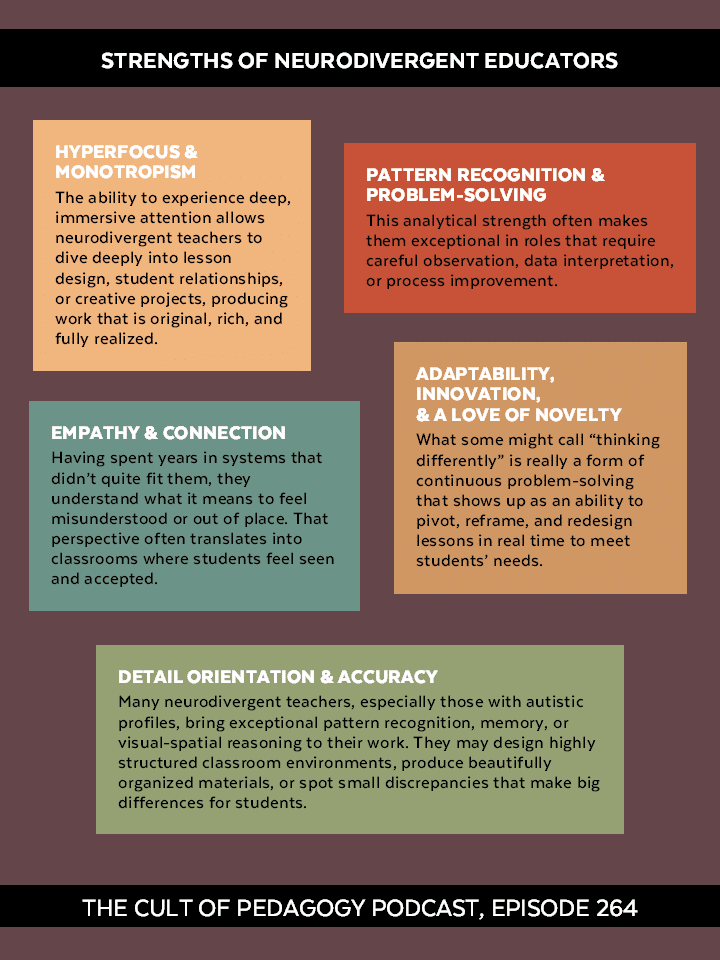
- Externalize Executive Functioning: Do not rely solely on internal memory. Utilize visual task boards (digital or physical), robust digital calendars with reminders, project management software (e.g., Trello, Asana), or even voice memo apps to capture ideas and to-dos. Tools like IFTTT (If This Then That) can automate routine digital tasks, freeing up cognitive load. The goal is to offload mental clutter into trusted, accessible systems.
- Batch and Bundle Tasks: Minimize energy-draining task-switching by grouping similar activities. Dedicate specific blocks of time for grading, email correspondence, lesson planning, or administrative paperwork. This allows the brain to stay in one "mode" longer, enhancing focus and efficiency.
- Implement Body Doubling: The presence of another person working nearby, even if on different tasks, can significantly improve focus and motivation. Collaborate with a colleague during planning periods, join virtual co-working sessions, or even use a focus app that simulates a body double. This external accountability can help initiate and sustain effort on challenging tasks.
- Cultivate Sensory-Friendly Routines: Proactively manage sensory input. Use noise-reducing earbuds or headphones during independent work. Opt for natural light or personal lamps over harsh overhead fluorescents. Incorporate short, intentional movement breaks, stretching, or grounding exercises between classes or tasks. A "reset ritual," like stepping outside for a few breaths, can help regulate energy throughout the day.
- Map Energy and Rhythm Awareness: Track personal energy levels and focus patterns over a week or two. Identify peak concentration times and periods of natural dips. Schedule cognitively demanding tasks (e.g., lesson planning, providing complex feedback) during high-energy windows, reserving lower-energy times for more routine or less intensive tasks. This strategic alignment can prevent burnout and maximize productivity.
- Leverage Novelty Strategically: For many neurodivergent brains, novelty acts as a powerful motivator. Introduce small variations to routines, experiment with new lesson formats, rearrange classroom layouts, or try a new digital teaching tool. The key is to use novelty as a controlled stimulant to re-engage interest, rather than allowing it to lead to distraction or perpetual reinvention.
- Practice Self-Compassion and Reframe Challenges: View struggles not as personal failures, but as signals that current strategies or environmental factors are not meeting needs. Cultivate self-compassion, understanding that "professionalism" does not equate to "perfection." This mindset fosters experimentation, reduces shame, and builds resilience, enabling sustainable engagement in the profession.
These individualized tools are not about "doing more," but about "doing differently" – fostering self-awareness and implementing adjustments that align with one’s unique cognitive profile.
Systemic Solutions: What Schools and Administrators Can Do
True equity and sustainability for neurodivergent educators require a fundamental shift at the institutional level. Schools and administrators have a crucial role in creating inclusive environments that support all staff.
- Provide Comprehensive Professional Development: Offer training for all staff on neurodiversity, covering different presentations of ADHD, autism, dyslexia, and other conditions. This increases understanding, reduces stigma, and equips colleagues to be more supportive.
- Foster Flexible Work Arrangements: Move beyond one-size-fits-all expectations. This could include flexible scheduling for non-teaching tasks, options for remote work on specific administrative duties, varied meeting formats (e.g., providing agendas in advance, allowing for virtual participation, offering alternatives to long, in-person meetings), and asynchronous communication methods.
- Create Accessible Physical and Digital Environments: Evaluate school spaces for sensory considerations. Provide quieter staff workspaces, adjustable lighting options, and consider noise-dampening solutions. Ensure digital tools and platforms are accessible and user-friendly, minimizing cognitive load.
- Implement Clear Communication and Expectations: Reduce ambiguity in instructions, deadlines, and roles. Provide written expectations, use visual aids, and encourage clarifying questions. This benefits all staff but is particularly crucial for neurodivergent individuals who may struggle with implicit social rules or vague directives.
- Establish Mentorship and Peer Support Networks: Create safe spaces and formal or informal networks where neurodivergent educators can connect, share strategies, and find support. Mentorship programs can pair experienced neurodivergent teachers with newer ones.
- Review HR Policies for Accommodations: Ensure that HR policies are explicitly inclusive of neurodivergence and that the process for requesting and receiving accommodations is clear, supportive, and free of stigma. Accommodations should be seen as enabling equitable participation, not as special favors.
- Lead by Example: School leaders and administrators can normalize discussions around neurodiversity by openly sharing their own learning styles, executive functioning strategies, or even their own neurodivergent identities (if applicable and comfortable). This models authenticity and creates a culture of psychological safety.
- Promote an "Asset-Based" Approach: Shift the narrative from viewing neurodivergence as a deficit to recognizing it as a source of diverse strengths and perspectives. Actively seek out and value the unique contributions of neurodivergent staff members.
Educational leaders and policymakers, including organizations like the National Association of Secondary School Principals (NASSP) and the American Federation of Teachers (AFT), are increasingly being called upon to champion these changes. By investing in these systemic shifts, schools not only retain valuable talent but also become models of inclusivity for their students.
Beyond Fixing Individuals: Fixing the System
Ultimately, the goal is not to "fix" neurodivergent educators to fit into a broken system, but to transform the system itself to be more inclusive and supportive of all cognitive profiles. When schools intentionally design for flexibility, clarity, and belonging, everyone benefits.
Teachers who feel safe to work in ways that align with their brains are better equipped to model that same acceptance and adaptability for their students. Classrooms become spaces where difference is understood as an integral part of learning, not something to hide or correct. Students see adults utilizing visual schedules, taking sensory breaks, or openly discussing their attention patterns, learning that these are not signs of weakness but effective tools for success. This normalizes self-advocacy and diverse learning strategies for the next generation.
For school leadership, an approach to neurodiversity rooted in empathy and flexibility builds deep trust among staff. Clear communication, reasonable and adaptable expectations, and genuine openness foster an environment where all educators feel valued and empowered to bring their best selves to work. A culture that prioritizes sustainability over an unsustainable pursuit of perfection is far more likely to retain its most talented and dedicated professionals, especially in a time of widespread teacher shortages.
As awareness of neurodivergence continues to grow among educators, the conversation must evolve from mere recognition to concrete action. The imperative is clear: schools that actively design for cognitive diversity don’t just improve the working lives of their neurodivergent staff. They create richer, more resilient, and more innovative learning environments where every teacher and every student can thrive, knowing they truly belong. This paradigm shift is not just an ethical responsibility; it is an educational imperative for the 21st century.