


Vibrant plumage has long been considered one of nature’s most successful evolutionary adaptations for attracting mates and establishing territory, yet a comprehensive new study reveals that these same aesthetic traits may be driving many species toward the brink of extinction. Published in the journal Conservation Biology, the research highlights a troubling correlation between the "attractiveness" of birds—as defined by human perception and market demand—and their escalating risk of population collapse. Led by ornithologists Natalia Ocampo-Peñuela of the University of California, Santa Cruz, and Monte Neate-Clegg of the University of California, Davis, the study suggests that for many of the world’s most charismatic songbirds, beauty is not merely a biological asset but a significant conservation liability.
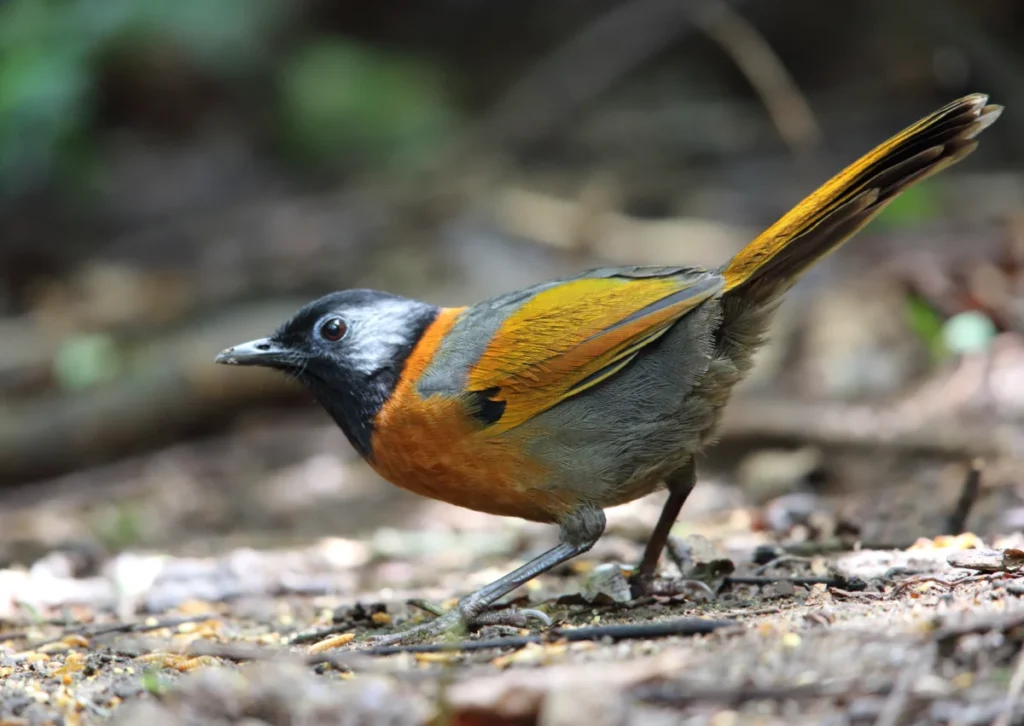
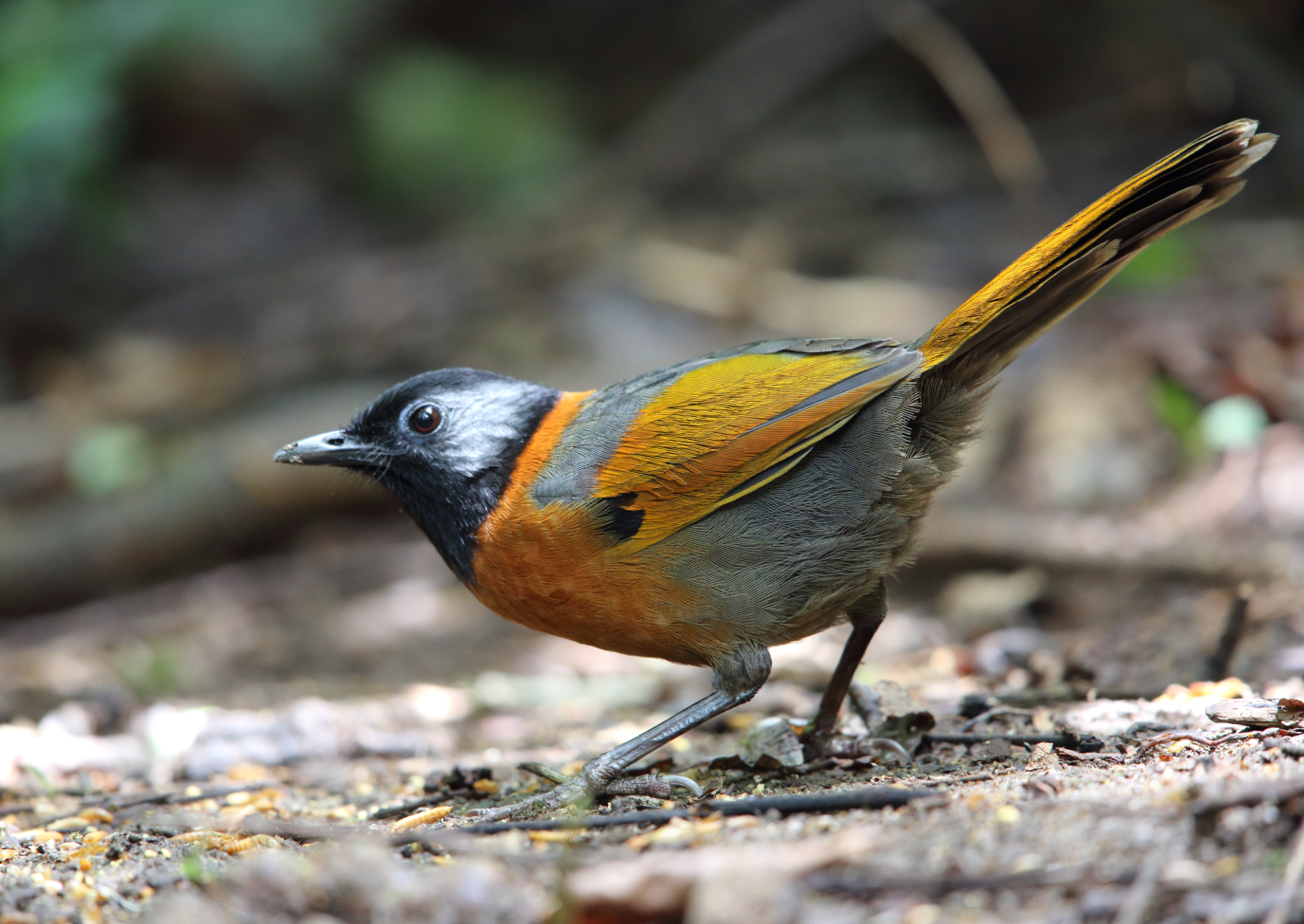
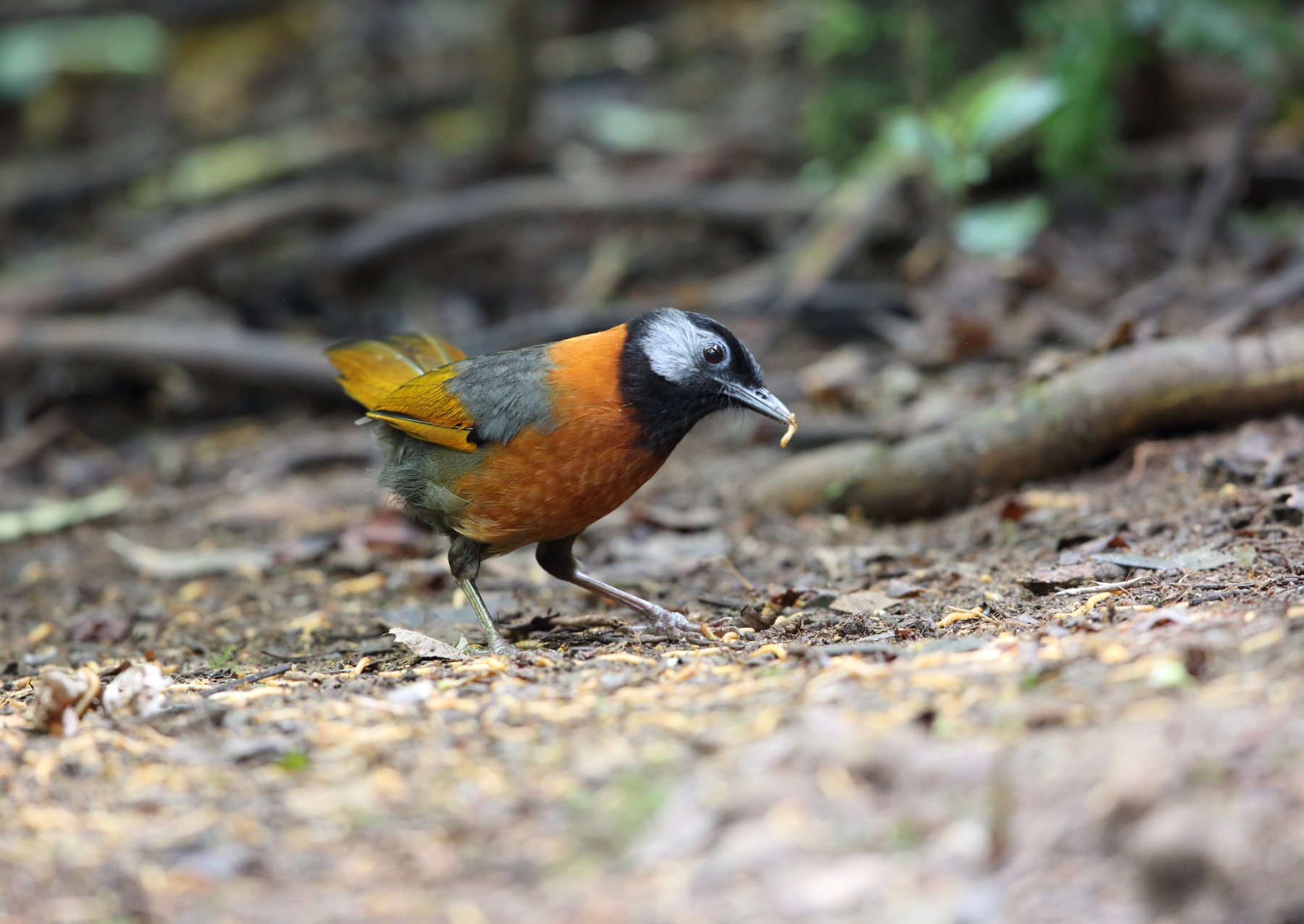
The impetus for this research began in the dense, high-altitude jungles of Vietnam, where Ocampo-Peñuela and Neate-Clegg spent days tracking the elusive collared laughingthrush (Trochalopteron yersini). Known colloquially as the "Halloween bird" due to its striking palette of orange, silver, and black feathers, the species is a prime example of the "price of beauty." Beyond its visual appeal, the bird possesses a complex, melodic song that has made it a high-value target for the illegal pet trade. With a restricted range of approximately 239 square miles—an area smaller than the city of Chicago—the International Union for Conservation of Nature (IUCN) currently lists the species as Endangered. The researchers’ firsthand encounter with a pair of these birds in a "secret hide" deep in the forest served as a poignant reminder of the fragility of such specialized species.
The Methodology of Aesthetic Vulnerability
To quantify the relationship between avian coloration and extinction risk, the research team developed a series of sophisticated computer models. They focused specifically on passerines, the largest order of birds, which encompasses more than 6,000 species, including songbirds, crows, and finches. Passerines are particularly susceptible to human-driven environmental changes due to their diverse ecological niches and, in many cases, their spectacular appearances.
The researchers utilized four distinct modeling layers to isolate the variables contributing to species decline:
- Morphological and Biological Traits: This model analyzed physical characteristics such as wing shape, body mass, and diet. Historically, larger birds or those with highly specialized diets have been viewed as more vulnerable.
- Biogeographical Mapping: This layer integrated the geographical range of species, identifying how regional pressures—such as the rate of deforestation in the tropics versus habitat fragmentation in temperate zones—interact with bird traits.
- Socio-Economic Factors: By overlaying human economic data, including regional GDP and infrastructure density, the researchers could assess how human development directly correlates with the disappearance of colorful species.
- Trade Dynamics: Utilizing the "Songbirds in Trade" database, the team tracked the commercial demand for specific species, allowing them to distinguish between birds threatened by the pet trade and those facing "natural" or indirect human-induced pressures.
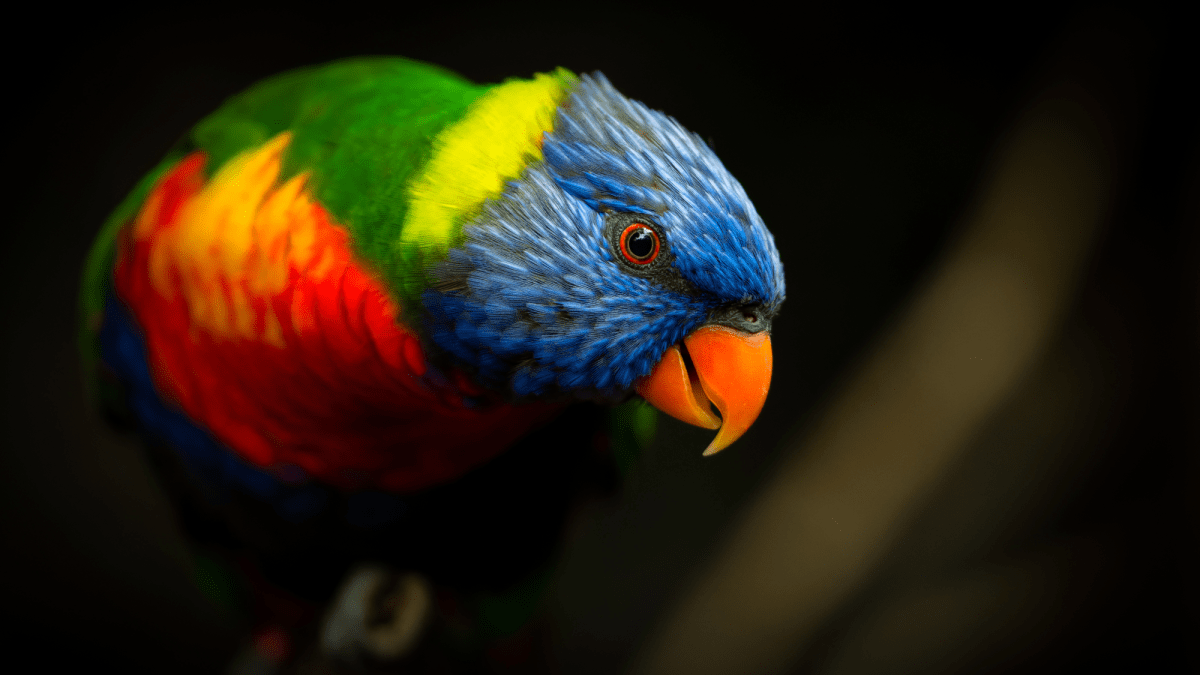
The findings were stark: across various regions and habitats, more colorful birds consistently showed a higher probability of being classified as threatened or endangered. While the correlation was most pronounced in species known to be traded, the researchers discovered a surprising trend—even colorful birds that are not part of the commercial pet trade are at higher risk than their more drab counterparts.
Regional Variations and the "Silent Forest" Phenomenon
The study underscores that the drivers of extinction are not uniform across the globe. In Southeast Asia, the primary threat to colorful passerines is the "Silent Forest" syndrome—a phenomenon where forests remain structurally intact but are ecologically hollowed out due to intensive trapping for the bird trade. In countries like Indonesia and Vietnam, owning a singing bird is a deeply ingrained cultural tradition, and "singing competitions" can drive the price of a single prize specimen into the thousands of dollars.
Conversely, in Latin America and Africa, the study found that habitat loss and climate change play more dominant roles. In these regions, the vulnerability of colorful birds may be linked to biological factors that scientists are still struggling to fully understand. One hypothesis suggests that "conspicuousness"—the very trait that allows a bird to stand out to a mate—makes it an easier target for predators in habitats that have been thinned by logging. Another theory posits a thermoregulatory disadvantage; as global temperatures rise, the complex pigments required for bright feathers may interfere with a bird’s ability to dissipate heat, though this remains a subject for future investigation.
Chronology of the Avian Crisis
The current study adds a critical layer to a timeline of alarming reports regarding global bird populations. In 2019, a landmark study published in Science revealed that North America has lost nearly 3 billion birds since 1970, a 29% decline in total population. Similarly, the State of the World’s Birds 2022 report indicated that nearly half of all bird species worldwide are in decline.
The research by Ocampo-Peñuela and Neate-Clegg provides a more granular look at which birds are being lost first. By identifying coloration as a risk factor, the study suggests that we are witnessing an "aesthetic erosion" of biodiversity. As the most colorful species vanish, the remaining avian populations become increasingly homogenous and drab, a process that has profound implications for ecosystem services such as seed dispersal and pollination, which are often performed by specialized, brightly colored species.
The Flagship Species Paradox
One of the most concerning implications of the study involves the role of "flagship species" in conservation. Conservation organizations frequently use colorful, charismatic birds like the Halloween bird or the Scarlet Macaw as the "faces" of their campaigns to garner public support and funding. These species act as umbrellas; by protecting their habitat, conservationists inadvertently protect thousands of other, less "attractive" species.
"People tend to care more about and rally around these colorful birds," Neate-Clegg noted in a statement following the study’s release. "If we lose the most colorful ones, we lose the ones that people care about the most, and the ones which are doing the heaviest lifting for conservation."
The loss of these species creates a feedback loop: as the most recognizable and beloved birds disappear, public engagement with nature may dwindle, leading to reduced support for the very initiatives required to save remaining wildlife. This "extinction of experience" occurs when the most vibrant elements of the natural world are no longer present to inspire the next generation of environmental stewards.
Implications for Future Policy and Conservation
The researchers argue that conservation strategies must be updated to account for the "attractiveness" of a species as a biological vulnerability. Currently, most conservation priority lists are based strictly on population numbers and range size. The new data suggests that "proactive conservation" should be applied to colorful species even before their numbers reach a critical low, simply because their aesthetic appeal makes them inevitable targets for future exploitation or environmental sensitivity.
Furthermore, the study calls for stricter regulations on the international bird trade and a shift in how bird enthusiasts interact with nature. The rise of high-quality digital photography and social media has created a "birding boom," which can be a double-edged sword. While it fosters appreciation, the sharing of GPS coordinates for rare, colorful birds can inadvertently provide a map for poachers.
Conclusion: A Call for Visual Stewardship
The findings from Ocampo-Peñuela and Neate-Clegg serve as a sobering reminder that human values—specifically our appreciation for beauty—can have unintended and devastating consequences on the natural world. The "Halloween bird" of Vietnam and thousands of other radiant species are currently caught in a pincer movement between direct exploitation and the broader forces of environmental degradation.
To reverse this trend, the researchers advocate for a transition in how society "consumes" avian beauty. "We want people to capture the beauty of these birds through a camera lens or pair of binoculars, not in a cage," the authors concluded. By recognizing that radiant plumage is a signal of ecological fragility rather than just a commodity for display, the global community may yet be able to preserve the vibrant palette of the world’s forests before they fall silent and grey.