


As the United States approaches its semiquincentennial in 2026, marking 250 years since the signing of the Declaration of Independence, the national discourse typically centers on the political philosophies of the Founding Fathers. However, a deeper examination of the era reveals that the quest for American sovereignty was as much an intellectual and scientific endeavor as it was a political and military one. The architects of the American experiment did not view science—then referred to as "natural philosophy"—as a secondary pursuit. Instead, they recognized it as the essential engine of a self-sustaining democracy. From Benjamin Franklin’s electrical experiments to Thomas Jefferson’s obsession with paleontology, the pursuit of empirical truth provided the fledgling nation with the credibility, economic independence, and intellectual identity required to break from the British Empire.
The Intellectual Climate of the 18th Century
In the mid-1700s, the American colonies were often dismissed by European intellectuals as a wild, untamed frontier. Some prominent European thinkers, such as the French naturalist Georges-Louis Leclerc, Comte de Buffon, proposed the "theory of American degeneracy," suggesting that the environment of the New World was so damp and cold that it caused all life forms—including humans—to become smaller, weaker, and less intelligent than their European counterparts.
For the American founders, science was the primary weapon against such dismissals. Darryl Williams, Senior Vice President of Science Education at the Franklin Institute, notes that Benjamin Franklin and his contemporaries saw science as a way to "enhance and improve the human condition" while simultaneously proving the vitality of the American continent. This was not merely a matter of pride; it was a matter of survival. To build a nation, the founders needed to master their environment, increase agricultural yields, and establish a distinct economic presence on the world stage.
Economic Sovereignty and Agricultural Innovation
The drive for independence was rooted firmly in the need for economic autonomy. Adrianna Link, Curator of History of Science at the American Philosophical Society (APS), emphasizes that the practical application of science was fundamental to the survival of the colonies. During the late 18th century, the American economy was almost entirely agrarian, making the study of botany and entomology a national security priority.
One of the earliest "scientific crises" faced by the young nation involved the Hessian fly, an agricultural pest that threatened to decimate wheat production across the colonies. The APS mobilized its members to study the fly’s life cycle and propose mitigation strategies. This effort represented one of the first instances of coordinated scientific research used to protect the national interest. By increasing crop efficiency and managing pests through observation and experimentation, the colonies began to reduce their reliance on British imports and established the framework for an independent economy.
Benjamin Franklin: The Architect of Participatory Science
Perhaps no figure embodies the intersection of science and American identity more than Benjamin Franklin. While history books often focus on his role as a diplomat and printer, Franklin’s scientific contributions provided the young nation with international prestige. His inventions—including the lightning rod, bifocals, the odometer, and the flexible catheter—were born of a philosophy that knowledge should be "useful."
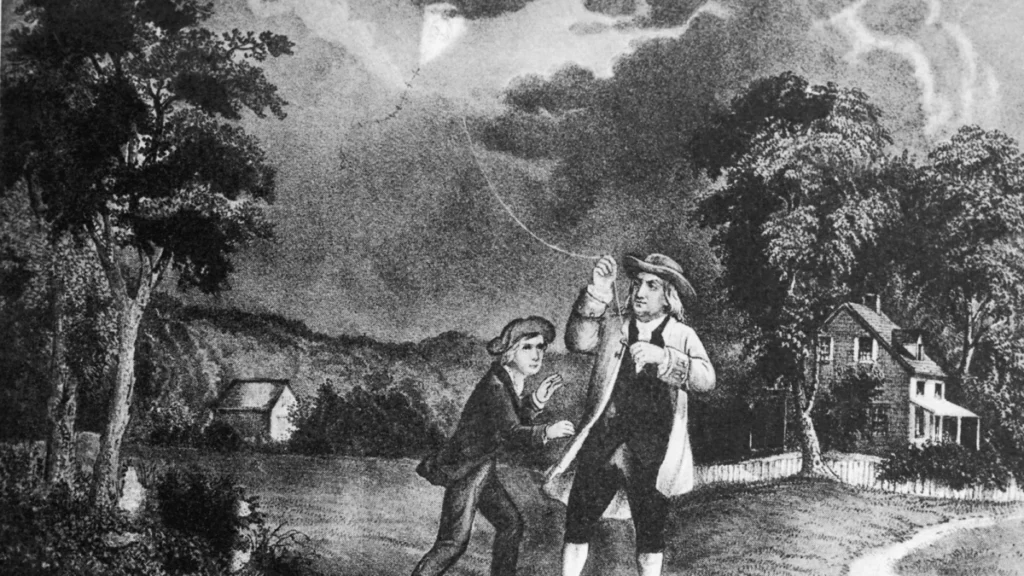
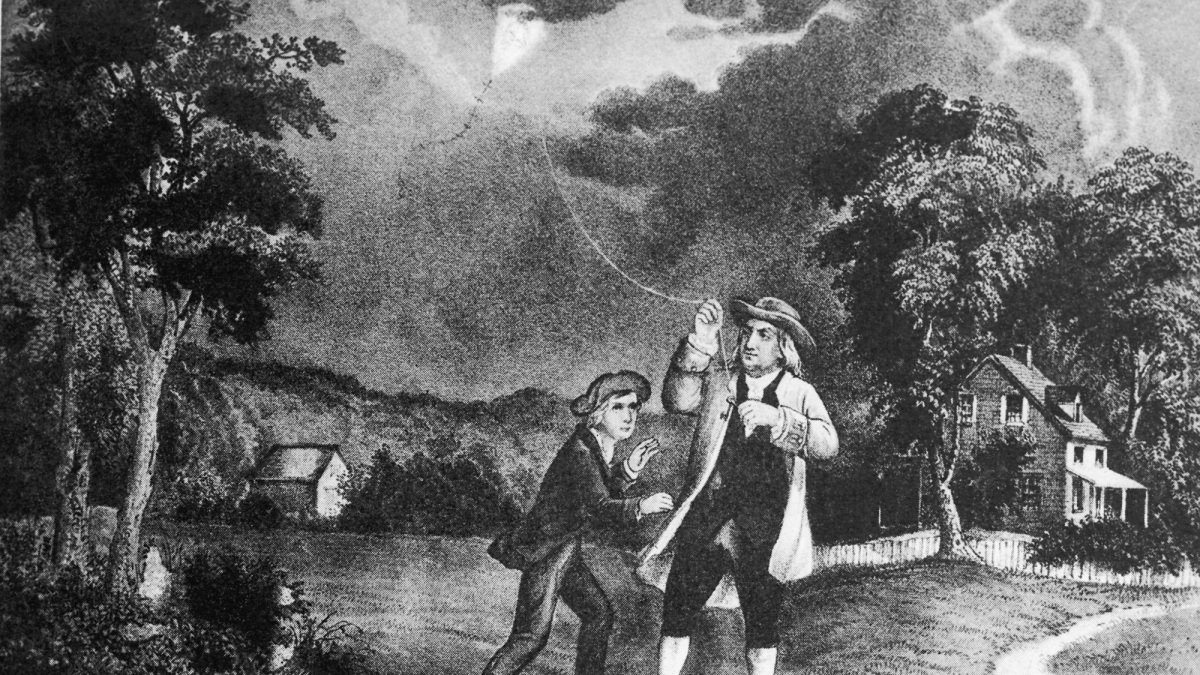
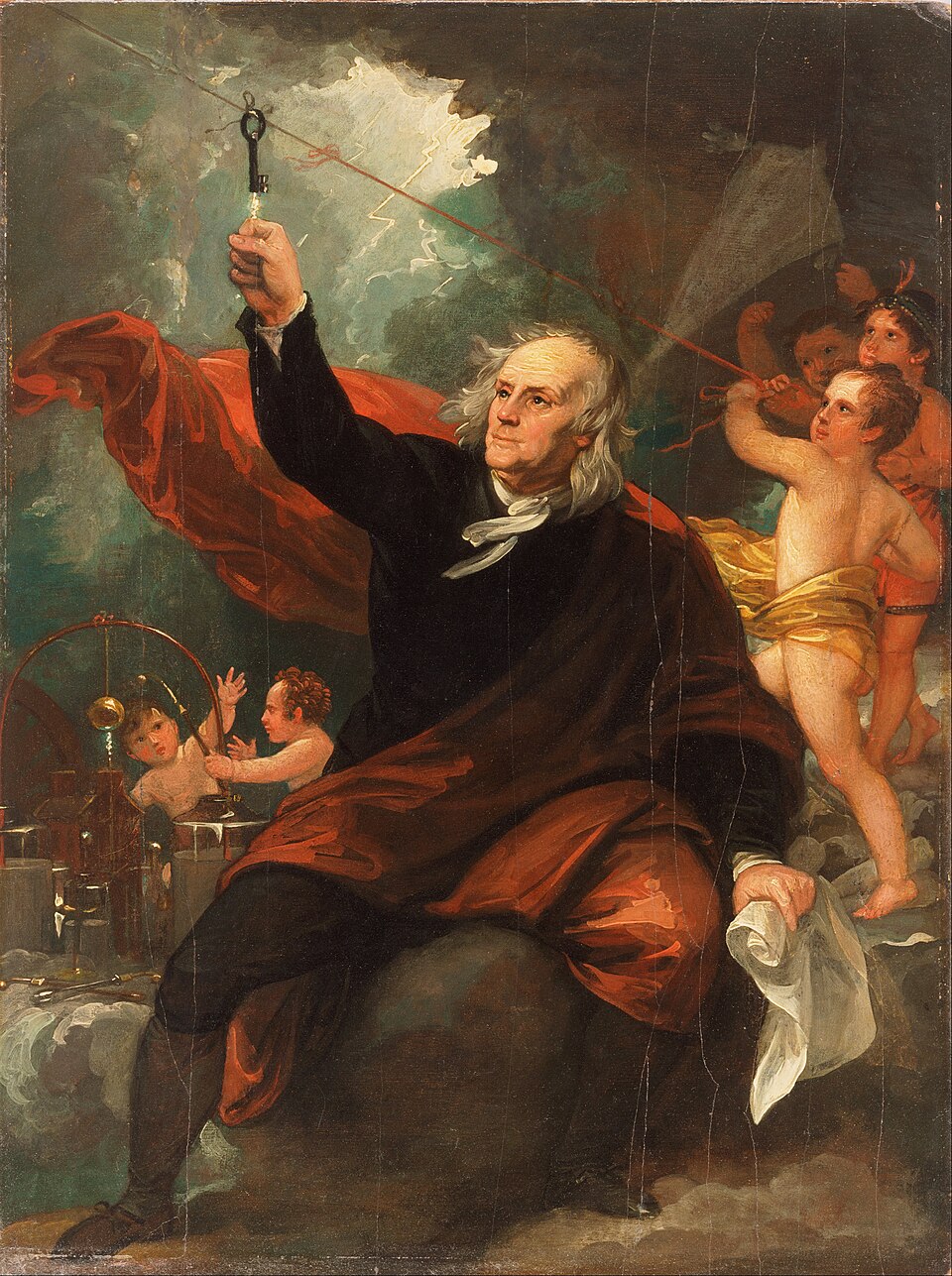
Franklin’s most famous experiment, the 1752 kite flight during a thunderstorm, was not just a personal curiosity. By proving that lightning was a form of electricity, Franklin transitioned from a colonial printer to a world-renowned scientist. He meticulously documented his findings and shared them through the Pennsylvania Gazette, encouraging others to replicate his work. This commitment to "participatory science" became a hallmark of the American scientific character.
In 1743, Franklin founded the American Philosophical Society in Philadelphia. Its mission was simple yet profound: "promoting useful knowledge." The APS became the first "think tank" in America, serving as a hub for the exchange of data between the colonies and Europe. The society’s flagship journal, Transactions of the American Philosophical Society, first published in 1771, remains the longest-running scholarly press in the United States, cementing the nation’s role in the global scientific community.
Chronology of Early American Scientific Milestones
To understand the rapid evolution of American science, one must look at the timeline of institutional and discovery-based milestones that coincided with the nation’s birth:
- 1731: Benjamin Franklin founds the Library Company of Philadelphia, the first successful circulating library in America.
- 1743: The American Philosophical Society is established to promote scientific inquiry and innovation.
- 1752: Franklin conducts the kite experiment, proving the electrical nature of lightning and gaining international acclaim.
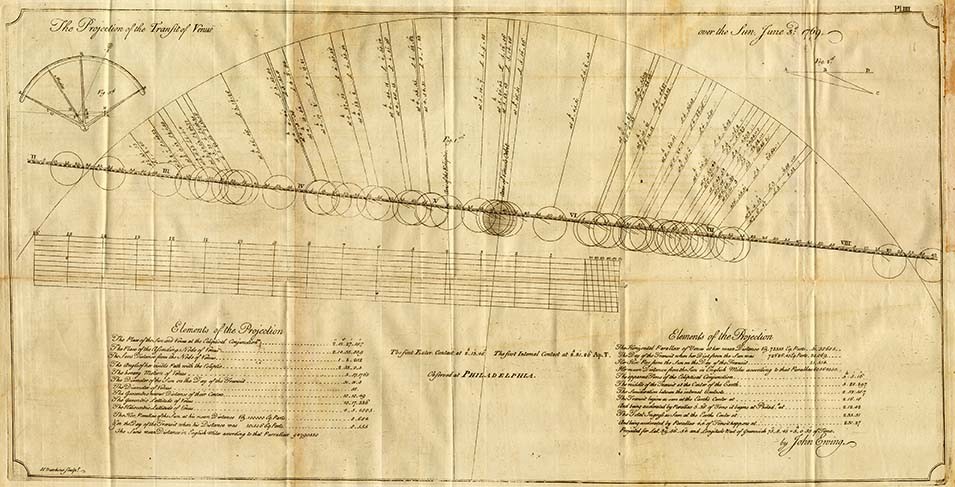
- 1769: The Transit of Venus occurs; American observations lead to the calculation of the distance between the Earth and the Sun.
- 1773: The Charleston Museum is founded in South Carolina, becoming the first public museum in the colonies.
- 1784: Charles Willson Peale opens his museum in Philadelphia, merging natural history with national portraiture.
- 1801: The first complete Mastodon skeleton is exhumed and displayed, challenging European theories of American biological inferiority.
The Transit of Venus and Global Scientific Legitimacy
A pivotal moment for American scientific standing occurred on June 3, 1769. The Transit of Venus—a rare event where the planet passes directly between the Sun and Earth—presented a unique opportunity for astronomers to calculate the "astronomical unit" (AU), or the precise distance between the Sun and the Earth.
David Rittenhouse, a self-taught astronomer, surveyor, and inventor, led the American effort to document the transit. Using a homemade telescope and instruments he designed himself, Rittenhouse and his team at the APS provided measurements that were among the most accurate in the world. Their data was published in The Royal Society’s Philosophical Transactions in London, earning American science a seat at the table of the European Enlightenment. This successful international collaboration demonstrated that the American colonies possessed the technical expertise and intellectual rigor to contribute to the highest levels of global discourse.
Natural History as Political Defiance
While astronomy and physics provided international prestige, natural history served as a form of cultural and political defiance. To counter the European "degeneracy" theories, Thomas Jefferson and other naturalists sought to prove that America was home to creatures of immense size and power.
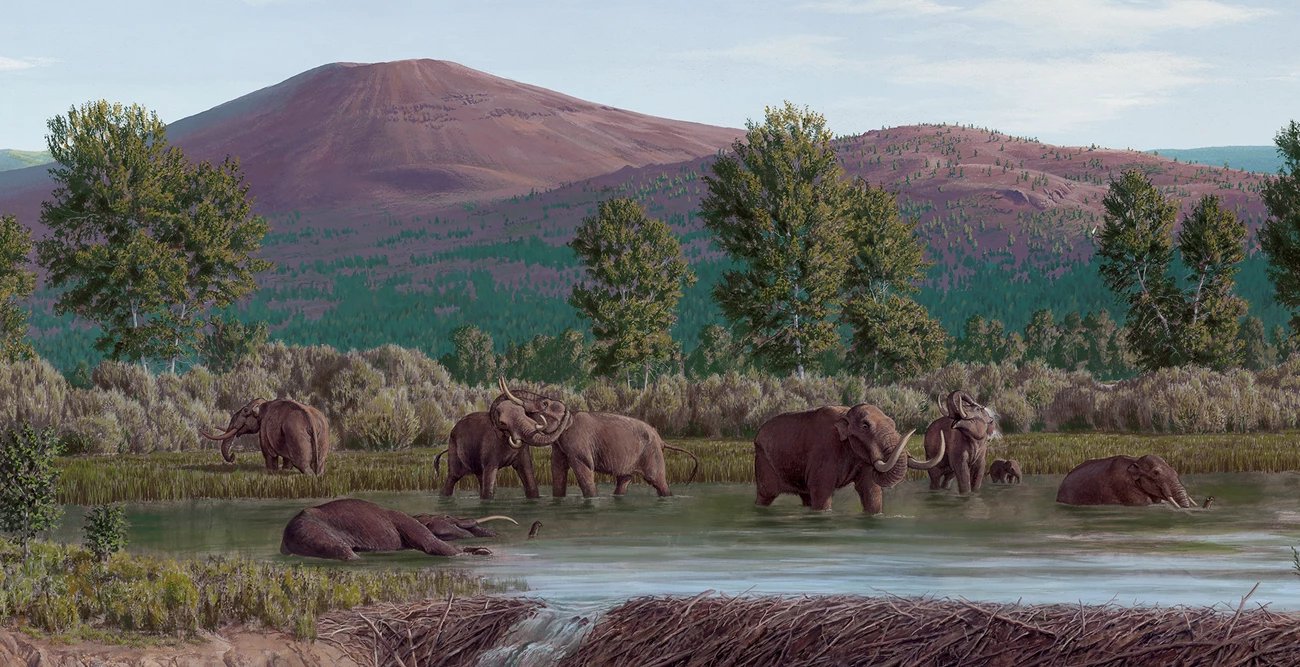
The discovery of the Mastodon—referred to at the time as the "Great Incognitum"—became a symbol of American strength. When Charles Willson Peale exhumed a mastodon skeleton in New York in 1801, it was more than a paleontological find; it was a rebuttal to Buffon. Jefferson, who was then President of the United States and the APS, used these findings to argue that the American environment was robust and thriving.
Peale’s Museum in Philadelphia further integrated science into the public consciousness. By displaying natural history specimens alongside portraits of Revolutionary War heroes, Peale created a narrative where the natural wonders of the continent were inextricably linked to the virtues of the Republic. This tradition of public-facing science was mirrored in South Carolina, where the Charleston Museum, founded in 1773, began collecting minerals and biological specimens to educate the citizenry.
The Legacy of Scientific Revolutionaries
The transition from the "gentleman scientist" of the 18th century to the professionalized institutions of today represents a direct evolution of the founders’ vision. The early efforts of the APS and the Charleston Museum paved the way for the establishment of the Smithsonian Institution in 1846 and the National Academy of Sciences in 1863.
Today, the spirit of the founders’ "natural philosophy" persists in the way the United States approaches innovation. The emphasis on "useful knowledge" is reflected in modern initiatives such as:
- Agricultural Forecasting: Continuing the work started by those who fought the Hessian fly, modern climate and crop disease forecasting tools protect global food security.
- Public Health and Vaccination: The early adoption of smallpox inoculation by figures like Cotton Mather and Benjamin Franklin set a precedent for the nation’s leadership in medical research and immunology.
- Space Exploration: The legacy of David Rittenhouse lives on in NASA’s pursuit of astronomical data, which continues to be shared with the global community in the spirit of Franklin’s participatory science.
Conclusion and Broader Implications
The American Revolution was not just a rejection of British taxation and governance; it was a declaration of intellectual independence. The founders understood that a nation’s strength is measured not only by its military or its treasury but by its ability to observe the world objectively and apply that knowledge for the common good.
As the United States reflects on 250 years of history, the role of science remains as critical as it was in 1776. The challenges of the 21st century—ranging from climate change to the ethics of artificial intelligence—require the same commitment to empirical inquiry and the dissemination of "useful knowledge" that Benjamin Franklin envisioned. By recognizing science as a foundational pillar of the American identity, the nation can ensure that the next 250 years are defined by the same spirit of discovery and innovation that first sparked the light of independence.