



Yellowstone National Park welcomes more than 4.5 million international and domestic visitors annually, offering an unparalleled glimpse into North America’s volcanic heartland. While sightseers arrive prepared to marvel at iconic landmarks such as Old Faithful, the Grand Prismatic Spring, and diverse native wildlife, the park’s volatile microclimates frequently present unexpected challenges. Among these, the powerful and unpredictable gusty winds that sweep across the high-altitude plateaus routinely catch tourists off guard, snatching away sunglasses, maps, and headwear. Each year, park maintenance crews and geology teams conduct meticulous cleanups to retrieve these wayward items from delicate hydrothermal features, balancing park aesthetics with crucial environmental stewardship.
The 2026 Season Haul: By the Numbers
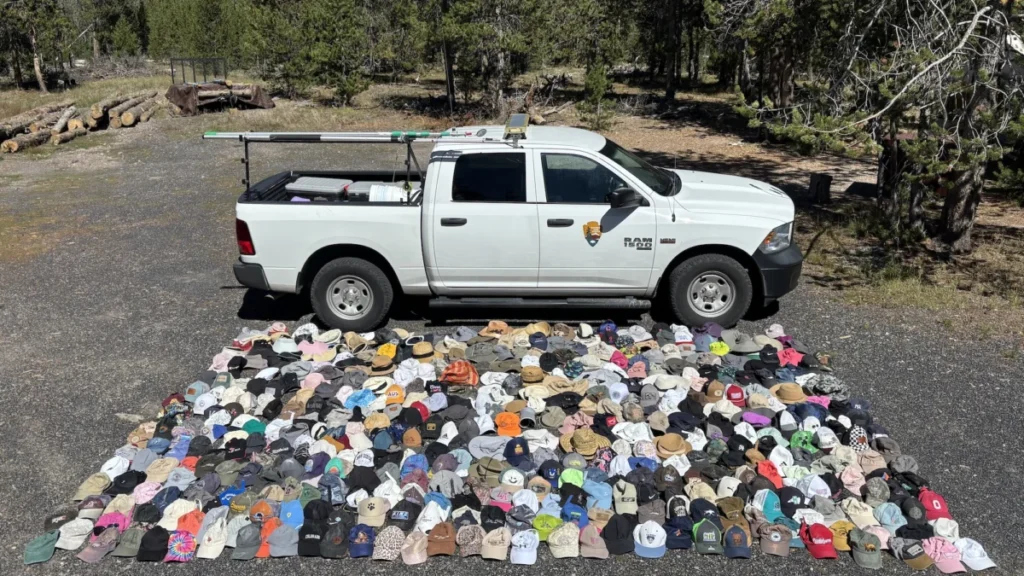
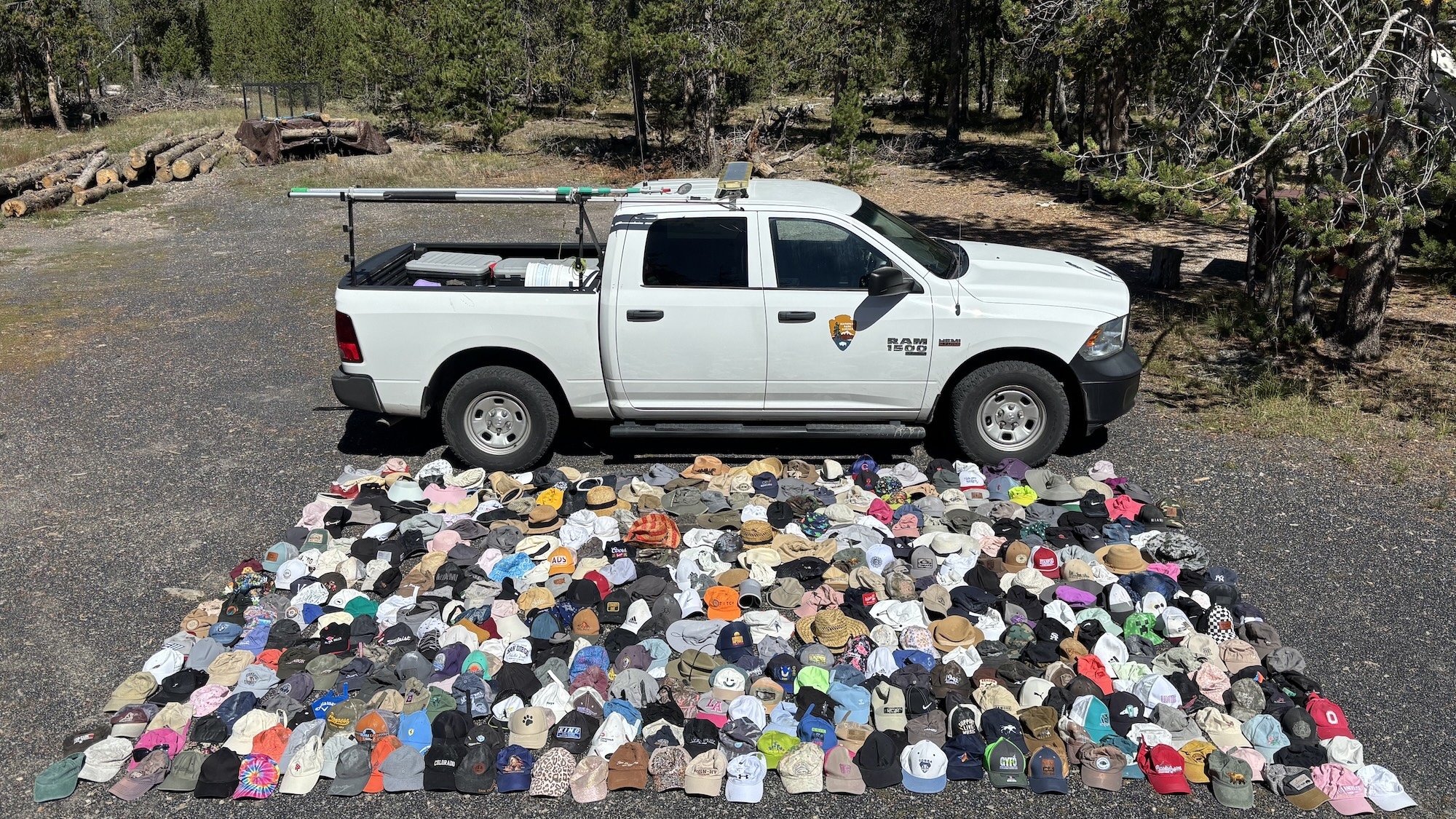
Following the close of the peak summer season, Yellowstone National Park officials released the findings of their annual hydrothermal recovery efforts. Park workers successfully fished more than 280 hats out of thermal zones, geysers, and hot spring perimeters. While this tally represents a slight decrease compared to previous years, the variety and cultural snapshot provided by the recovered items offer a fascinating look at modern tourism.
Among the caps retrieved during the 2026 operations were notable cultural artifacts, including a specialized souvenir from the 2026 FIFA Men’s World Cup and a baseball cap ironically emblazoned with the words "Cowboy Hat." Rather than sending these wind-blown casualties to local landfills, park administration has instituted a sustainable post-season protocol. Once the autumn chill sets in and the tourist season officially winds down, the collected headwear undergoes thorough professional cleaning and sanitization before being donated to regional clothing charities and local support organizations.
An Ecological Hazard: Foreign Currency and Trash in Thermal Basins
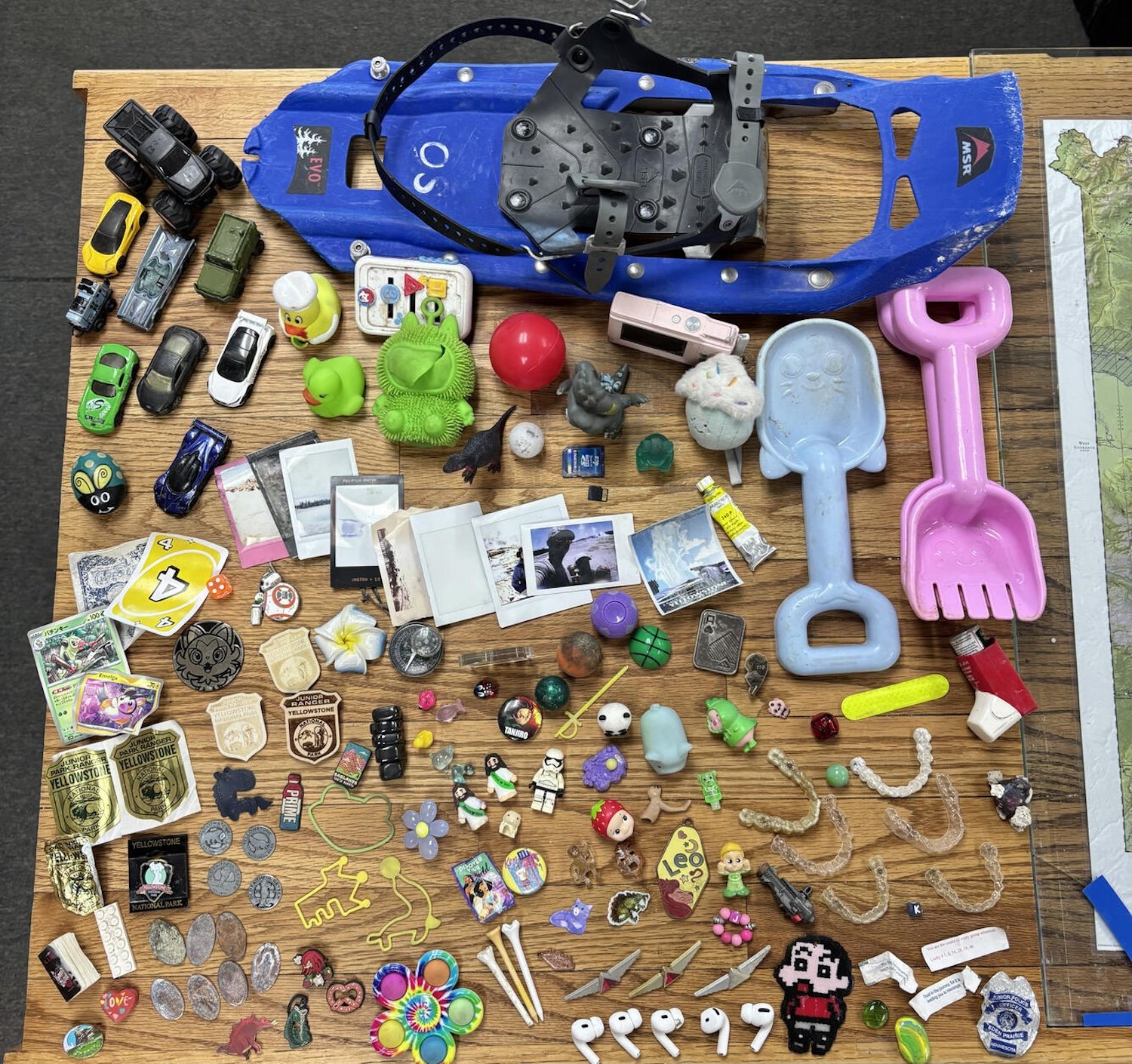
Caps and sunglasses, however, represent only a fraction of what park personnel recover from the thermal basins. During the summer 2026 sweeps, workers gathered more than $18 in loose change, featuring an eclectic mix of international currency including Canadian dollars, euros, Japanese yen, and Mexican pesos. Many of these foreign coins were deliberately tossed into hydrothermal vents and hot springs under the mistaken impression that the geological formations could serve as wishing wells.
Park geologists and environmental scientists have repeatedly emphasized the severe dangers of this practice. Hydrothermal features are intricate, delicate ecosystems driven by subterranean geothermal activity and maintained through precise geochemical balances. Introducing foreign objects—particularly metallic currency—destroys this equilibrium. Coins leach toxic heavy metals and introduce foreign bacteria, algae, and organic residues into the waters, accelerating the artificial degradation of unique geological formations like travertine terraces and mineral-rich pools.
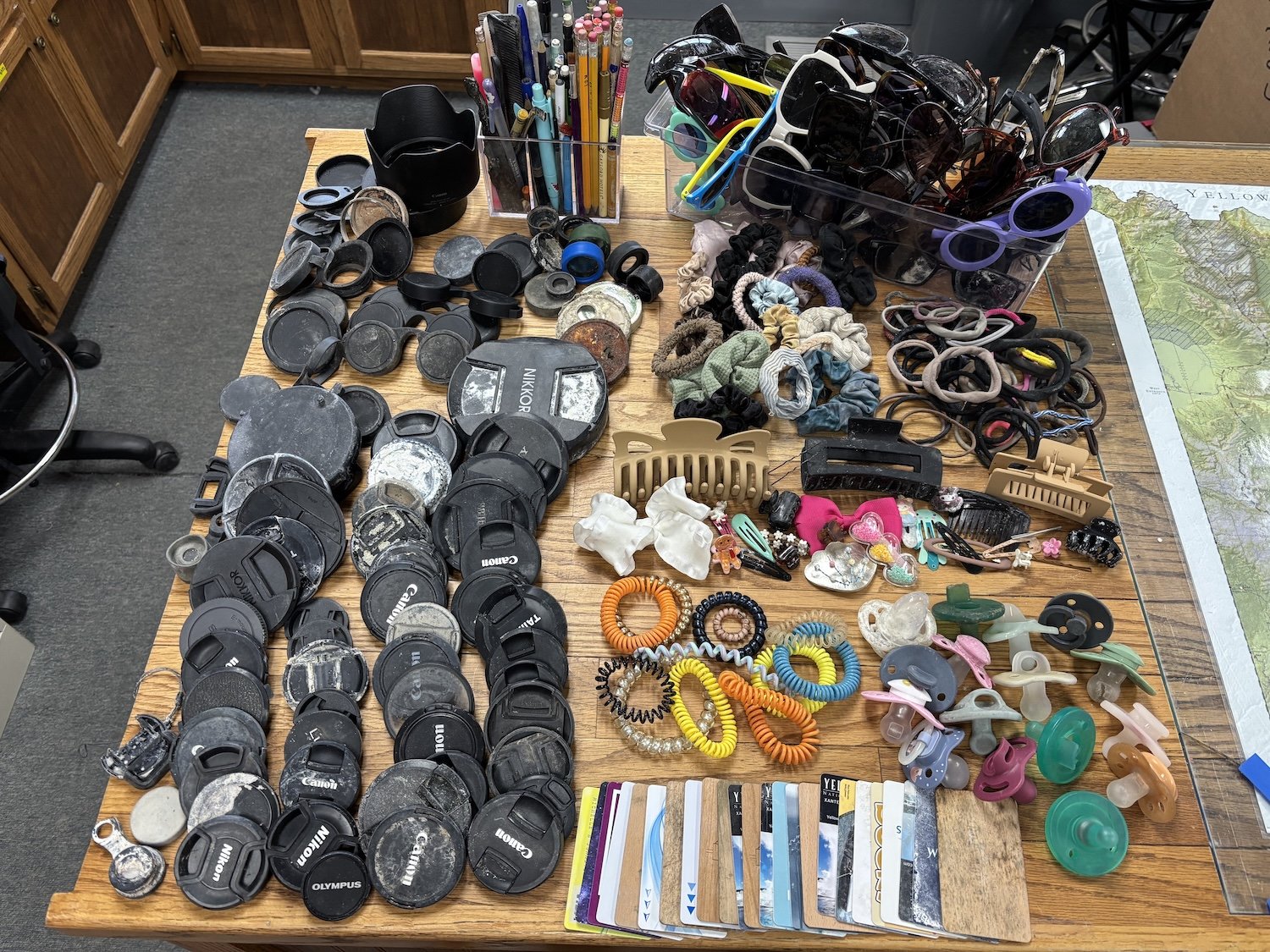
Beyond currency, cleanup crews recovered a surprising array of everyday detritus and bizarre personal items. Standard plastic and paper litter sat alongside hair ties, hotel key cards, children’s toys, camera lens caps, and eyewear. The list of peculiar lost property also featured high-value technology and essential medical items, including a pair of Apple AirPods, an asthma inhaler, dental retainers, golf tees, trading cards, and even a single, solitary Uno card.
Historical Context and Operational Protocol
The annual cleanup is not a novel endeavor, but rather a long-standing logistical necessity for the National Park Service (NPS). As visitation numbers have steadily climbed over the past decade, topping historical averages, the volume of wind-driven loss and visitor litter has scaled proportionally. Geologists working with the Yellowstone Volcano Observatory (YVO) routinely document these cleanups not only as sanitation sweeps but as critical maintenance to protect visitor infrastructure and preserve the park’s fragile hydrothermal plumbing.
Retrieving items from active thermal areas is fraught with danger. The ground surrounding geysers and hot springs is often dangerously thin, brittle, and scalding hot, masking boiling water just millimeters beneath a fragile crust. Consequently, official retrievals are strictly coordinated by trained park personnel equipped with specialized safety gear and long-handled tools, operating under strict protocols to minimize both personal injury and environmental disturbance.
Official Responses and Preventative Recommendations
In response to the annual accumulation of lost property, Yellowstone National Park public affairs and geological safety teams have issued renewed guidance for incoming travelers. Officials stress that while headwear is essential for sun protection at high elevations, visitors traversing windy overlooks or thermal boardwalks should secure their belongings or temporarily remove hats to prevent accidental loss.
Furthermore, the park has amplified its educational messaging regarding the "Stash Your Trash" initiative. Visitors are strongly encouraged to store lightweight items, wrappers, and ticket stubs deep within zipped pockets or backpacks rather than carrying them loosely in hands where gusts can easily sweep them away.
Broader Implications for Park Management and Visitor Ethics
The recurring collection of hundreds of hats and assorted foreign objects highlights an ongoing challenge for modern national park management: balancing mass tourism with uncompromising conservation mandates. As anthropogenic pressures on protected lands increase, the operational burden on park staff extends far beyond trail maintenance and wildlife management, encompassing the meticulous removal of human debris from geochemically sensitive zones.
Experts note that incidents of lost or discarded items serve as a barometer for broader visitor awareness. Educational campaigns that leverage these quirky annual finds—such as showcasing the eclectic mix of retrieved toys, currency, and headwear—have proven effective in capturing public attention. By turning humorous or bizarre discoveries into teachable moments regarding ecosystem preservation, park authorities hope to foster greater mindfulness among the millions of travelers who journey to Yellowstone each year, ensuring that the park’s natural wonders remain pristine for generations to come.