



The intricate bonds, raw power, and fragile vulnerabilities of Earth’s marine ecosystems have once again taken center stage with the announcement of the winners for the 2026 Ocean Photographer of the Year awards. Co-presented annually by Oceanographic Magazine and luxury watchmaker Blancpain, the prestigious international competition serves as both a celebration of aquatic artistry and a stark reminder of the environmental challenges facing the world’s oceans. This year’s gallery features an astonishing array of behavior, ranging from tender paternal care in remote archipelagos to cooperative predation and human-wildlife integration across diverse coastlines.
Main Facts of the 2026 Competition
The top honor of the 2026 competition was awarded to amateur photographer Julien Anton for a captivating, monochromatic image captured in the shallow, seaweed-filled waters of Moorea, French Polynesia. The winning photograph portrays an adult seahorse floating alongside two newly born juveniles. The composition creates an emotive narrative of parting, capturing a tender moment reminiscent of a father bidding farewell to his offspring as they venture into the ocean.
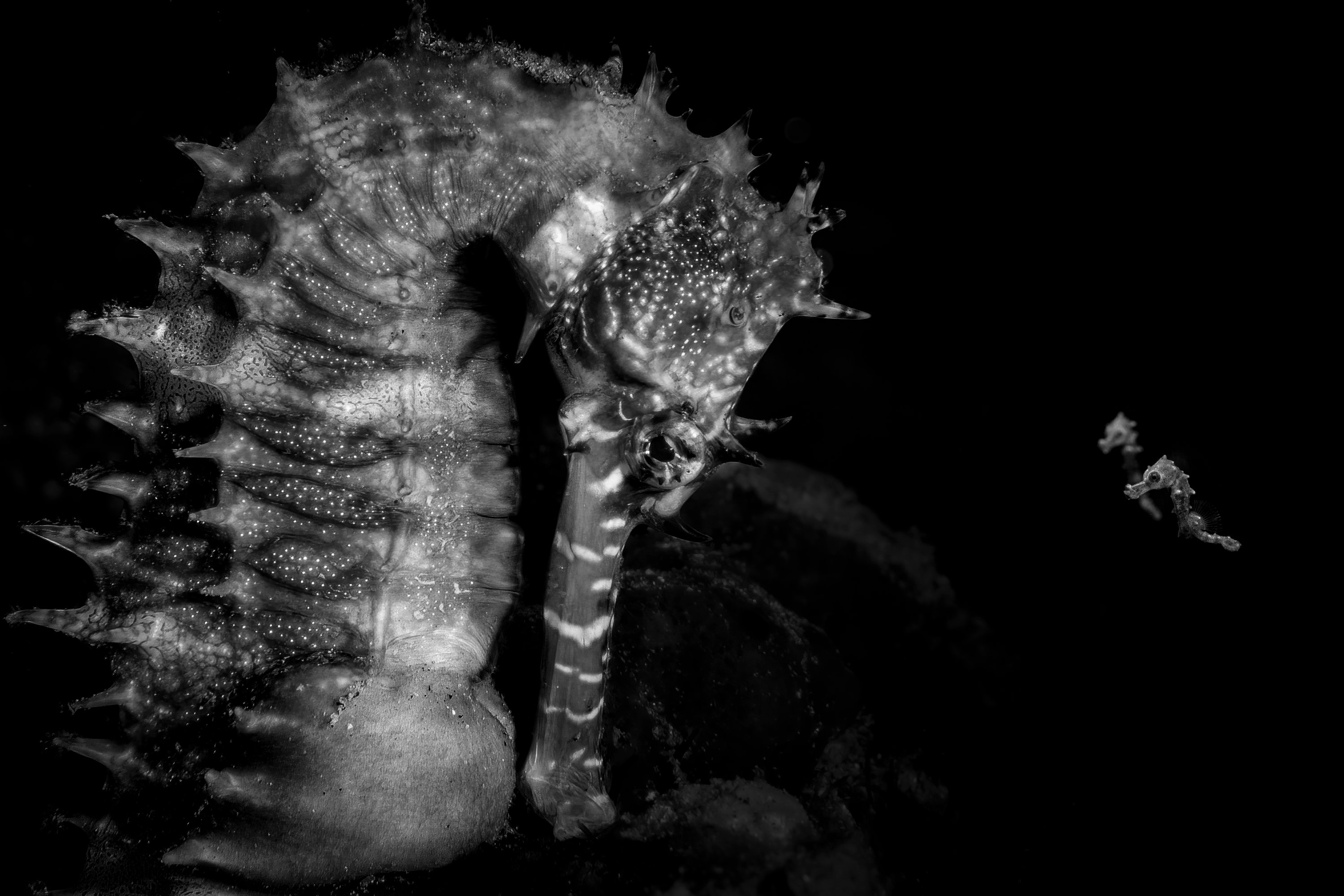
According to marine biologists, seahorses exhibit a unique reproductive strategy wherein the male carries the developing eggs in a specialized brood pouch until birth. While the exact familial relationship cannot be visually confirmed, the positioning of the tiny fry evokes a powerful sense of connection and generational transition. Anton’s triumph highlights a growing trend in wildlife photography where patience, local traditional knowledge, and technical precision intersect to document elusive marine phenomena.
Chronology and Background of the Contest
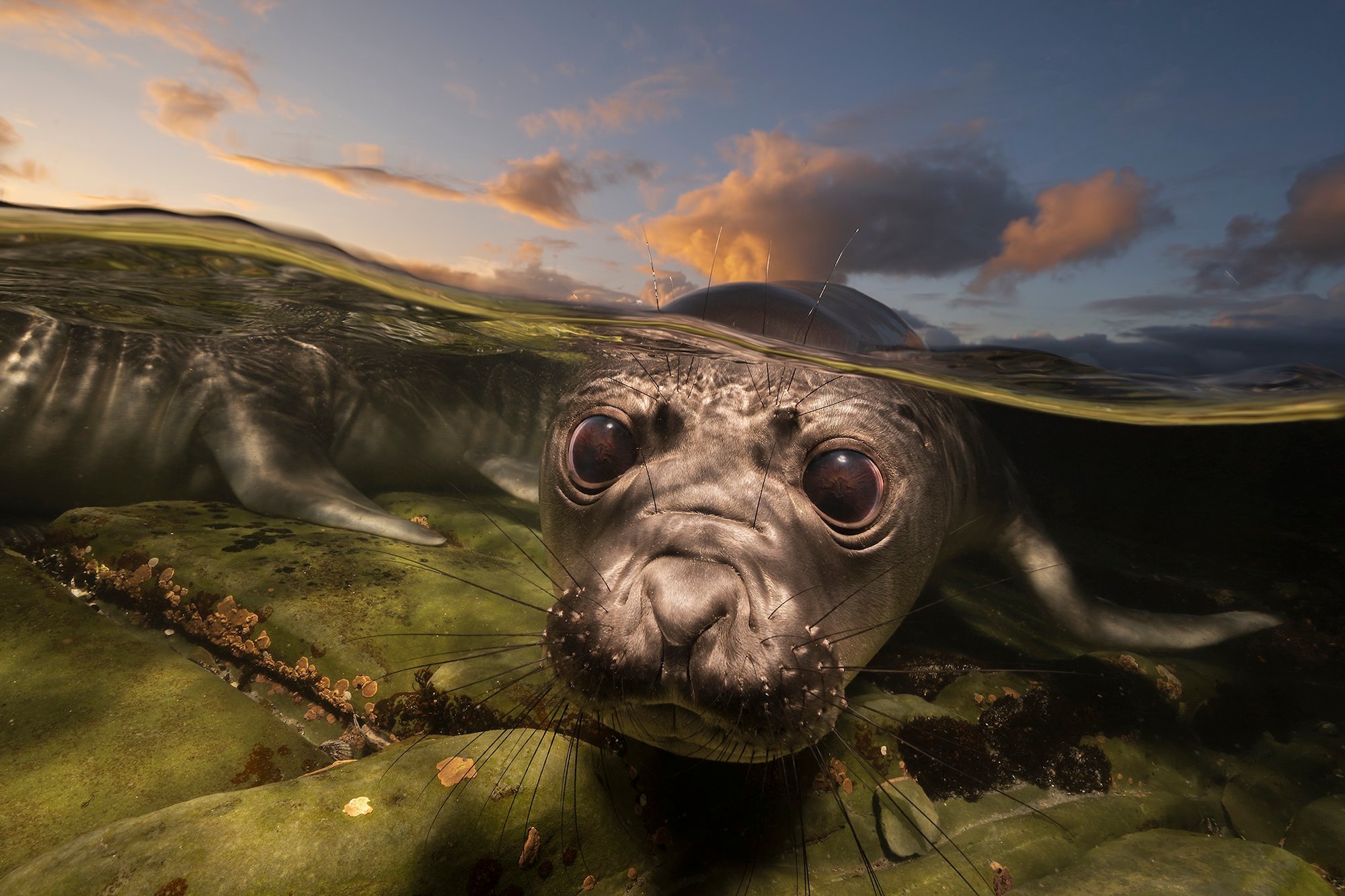
The Ocean Photographer of the Year competition has evolved into one of the most anticipated events on the global environmental and conservation calendar since its inception. The contest was established to leverage visual storytelling as a catalyst for marine protection, bridging the gap between scientific research and public awareness.
Months prior to the final judging, photographers traverse the globe, enduring extreme conditions, unpredictable weather, and countless submerged hours. The 2026 judging panel evaluated submissions across multiple specialized categories, focusing not only on aesthetic excellence but also on the ethical standards maintained by photographers in fragile marine environments. The culmination of this rigorous selection process is an annual exhibition that travels globally, educating millions of visitors about the urgency of marine conservation amidst escalating climate pressures and human-induced habitat degradation.
Supporting Data and Notable Entries
Beyond the grand-prize winner, the 2026 gallery showcases a diverse catalogue of behavioral and environmental documentation captured by world-class aquatic photographers.
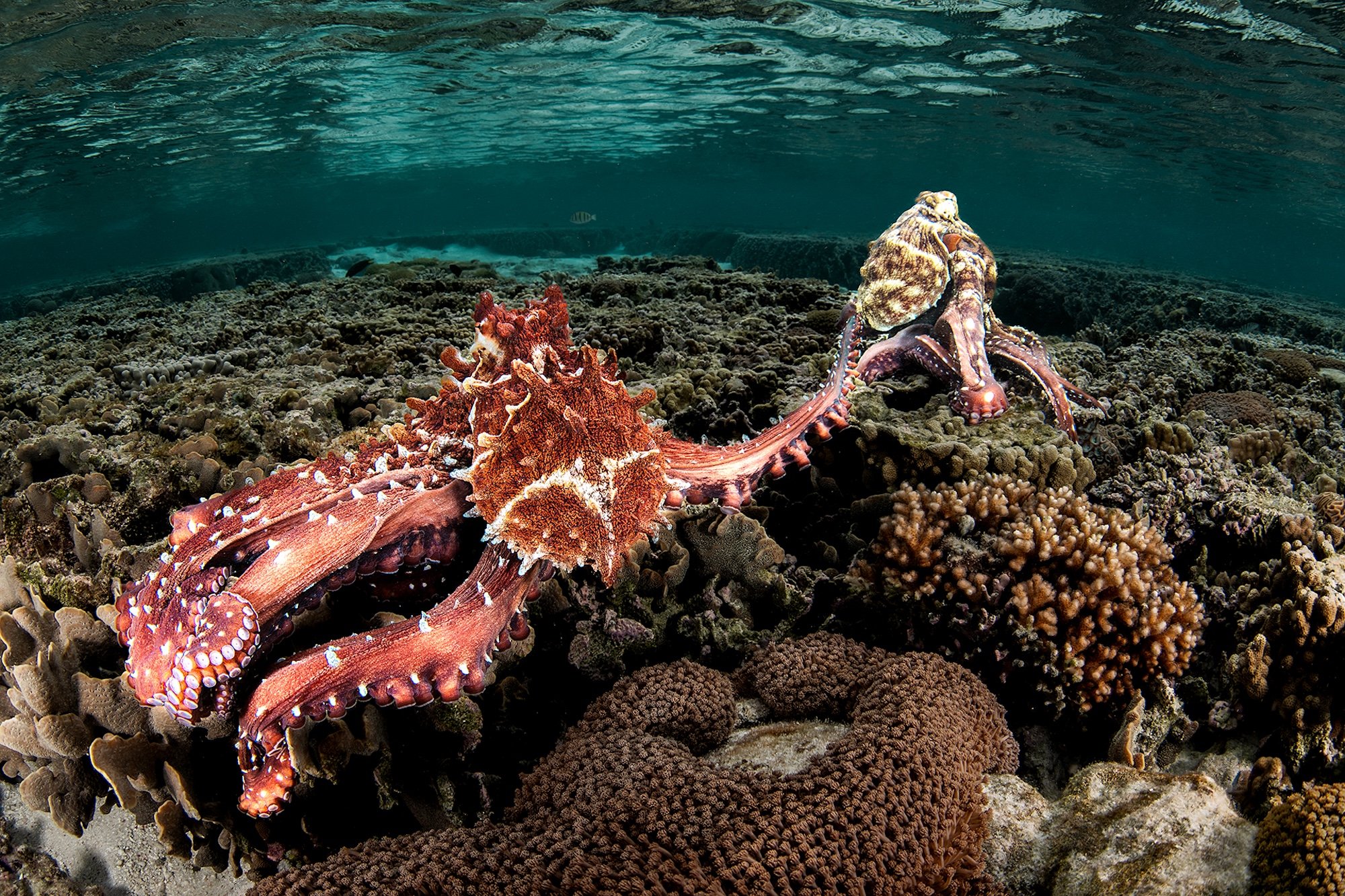
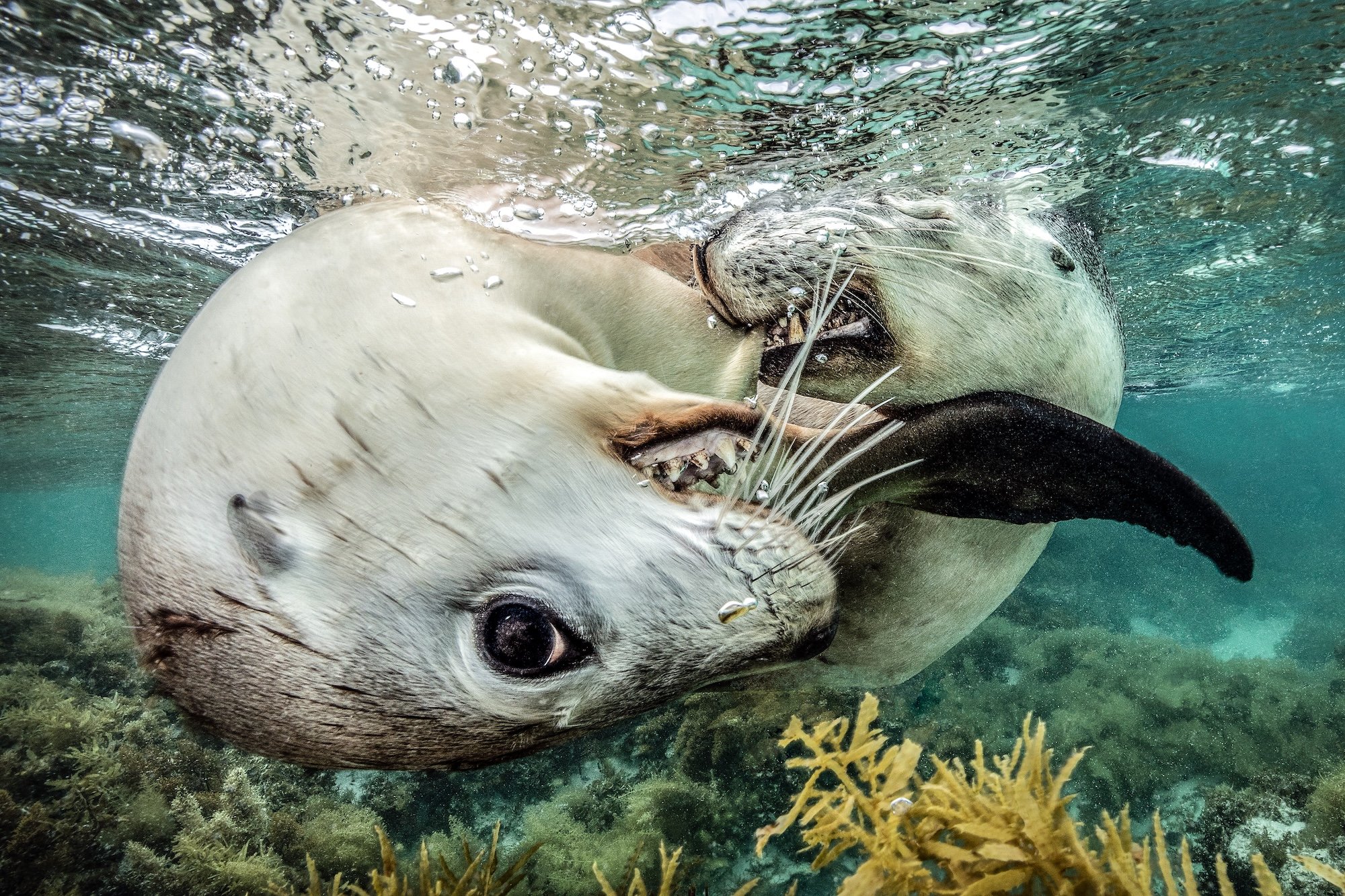
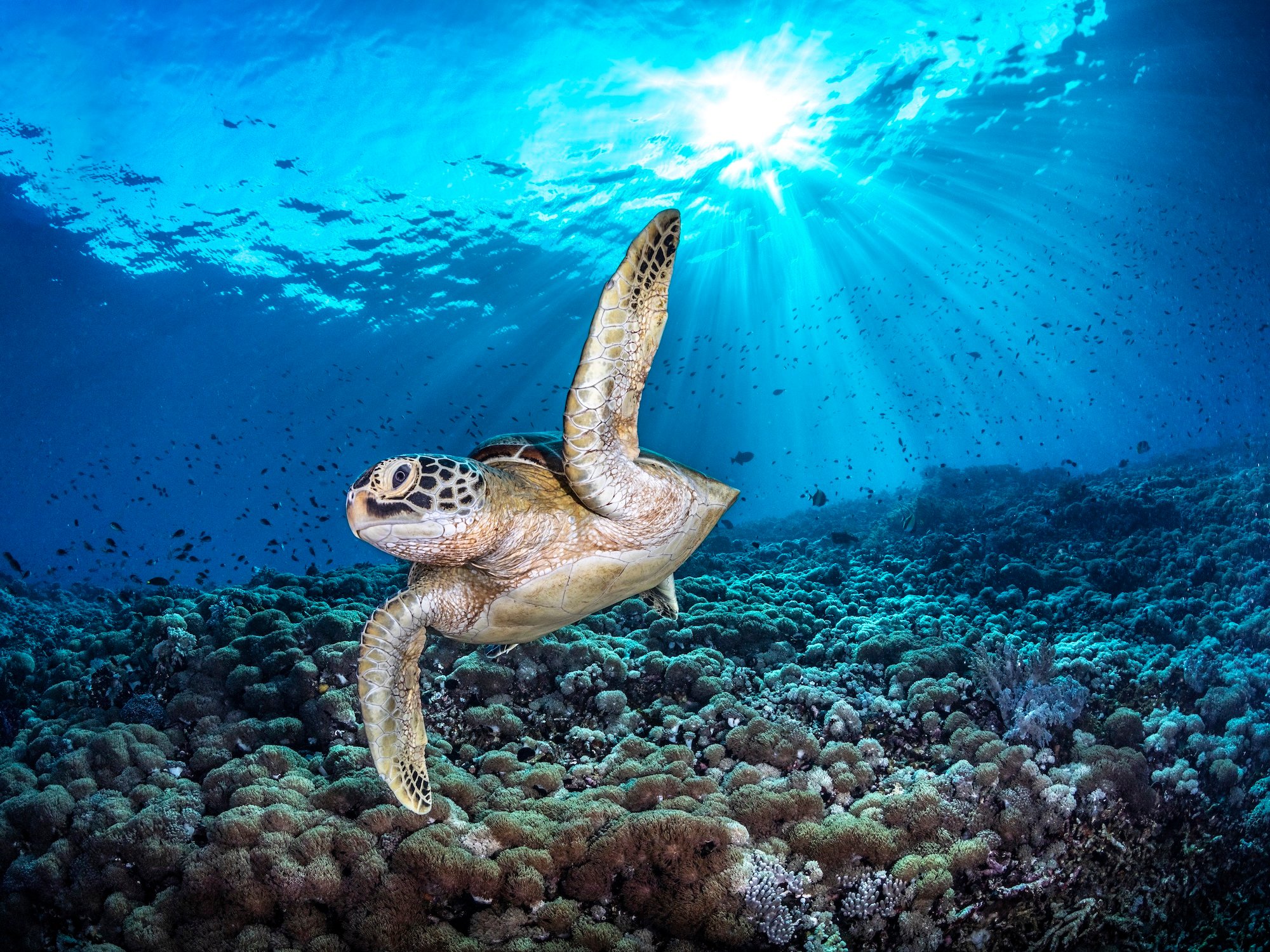
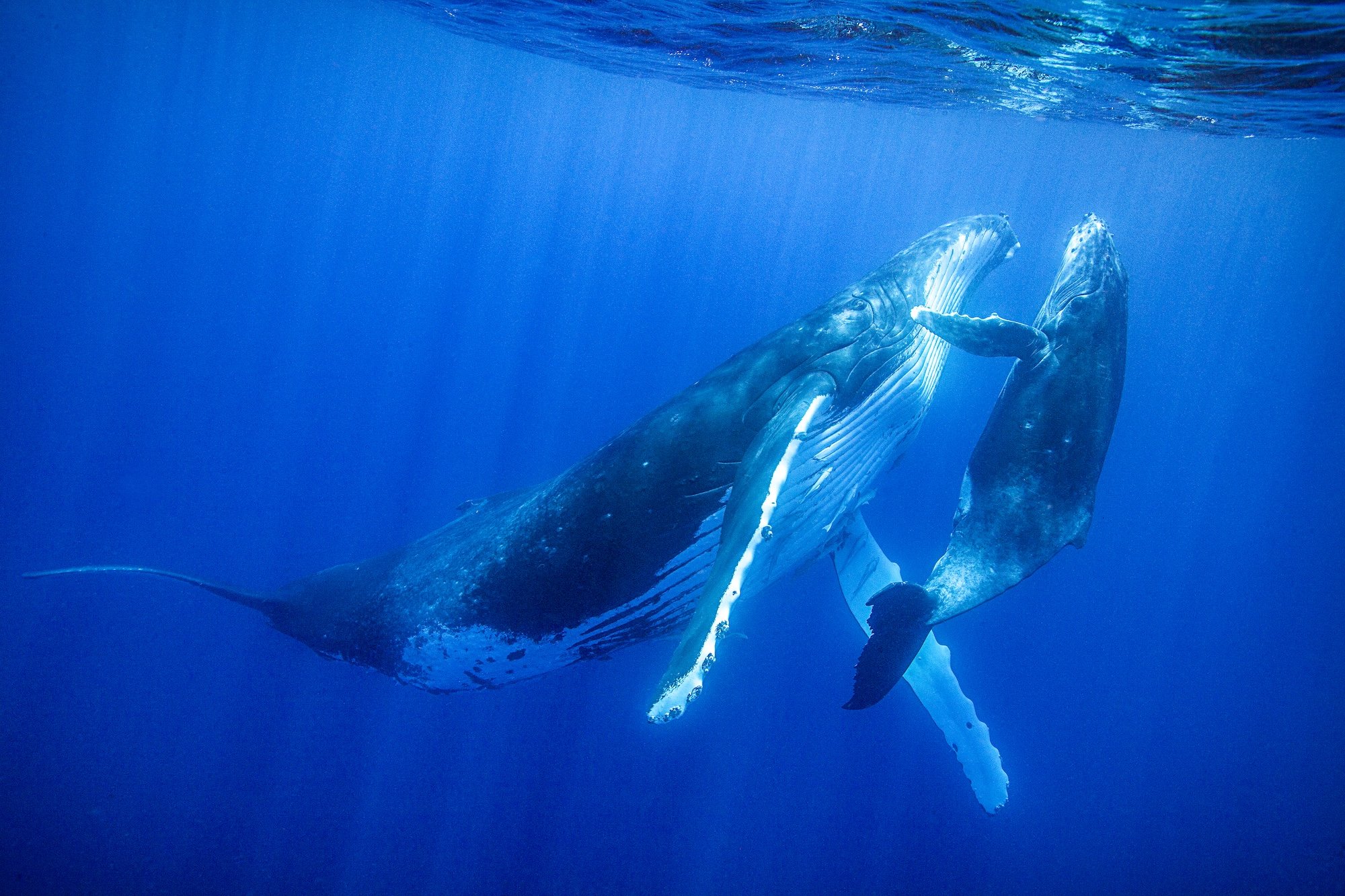
In Western Australia’s Jurien Bay Marine Park, photographer Jenny Stock documented curious Australian sea lion pups engaging with her camera equipment. Attracted by their reflections in the curved dome port of the housing unit, the playful mammals mirrored the photographer’s movements, with one individual even retrieving a starfish—displaying the high cognitive intelligence and social curiosity characteristic of pinnipeds. Stock also secured recognition for her documentation of a green turtle in French Polynesia and a mother humpback whale with her calf in the sheltered waters of Vavaʻu, Tonga, which serves as a vital seasonal nursery before the whales migrate toward Antarctica.
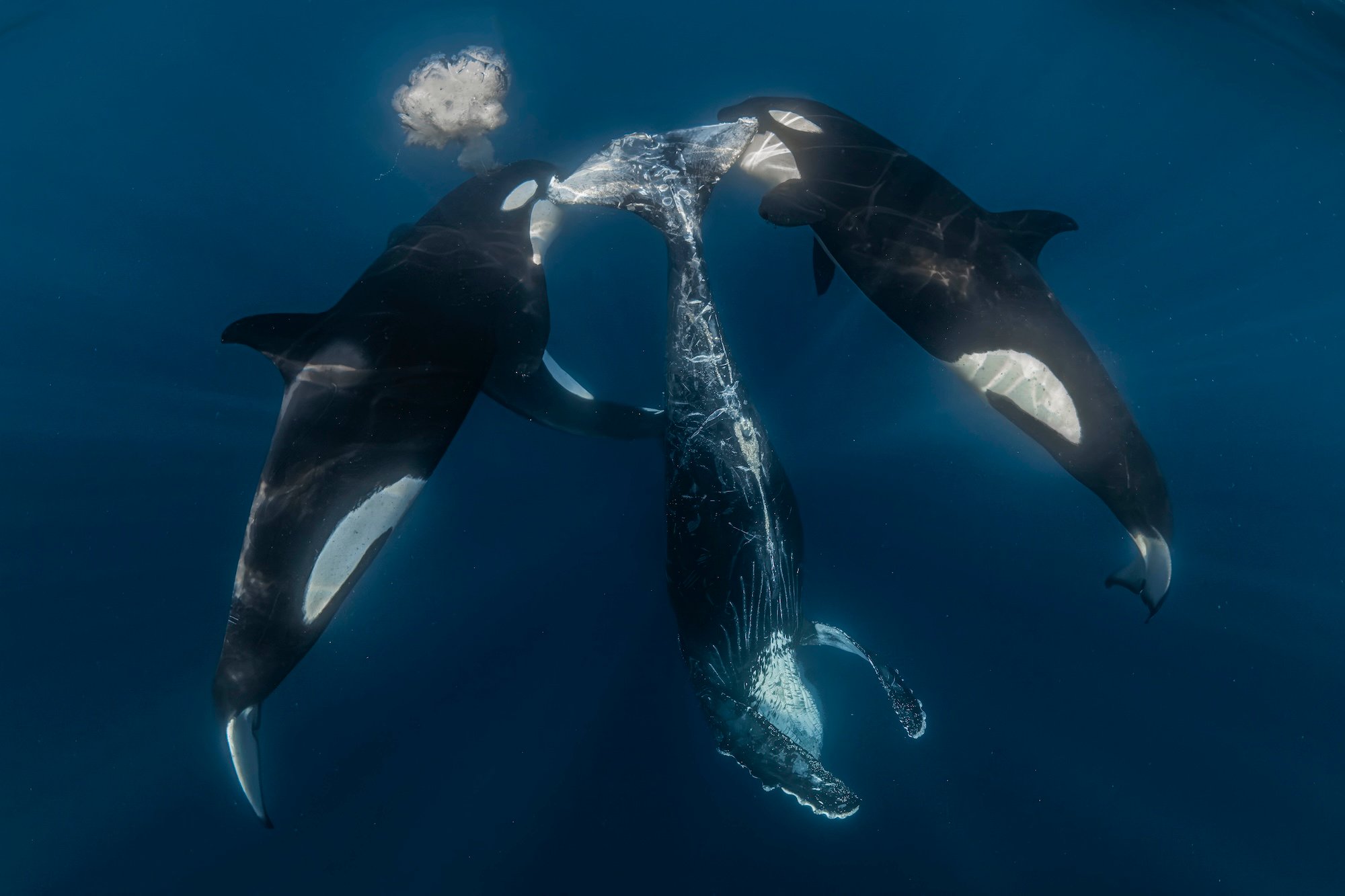
Predator-prey dynamics and human interactions formed another significant pillar of this year’s winning imagery. Rafael Fernandez Caballero captured the aftermath of an intense orca hunt in Baja California, Mexico, illustrating the sophisticated cooperative strategies deployed by killer whales to isolate a humpback whale calf. Meanwhile, in Raja Ampat, Indonesia, photographer Henley Spiers documented a bottlenose dolphin foraging near a traditional bagan fishing platform, demonstrating how marine predators adapt their behavior to exploit artificial lighting and discarded catches from human fisheries.
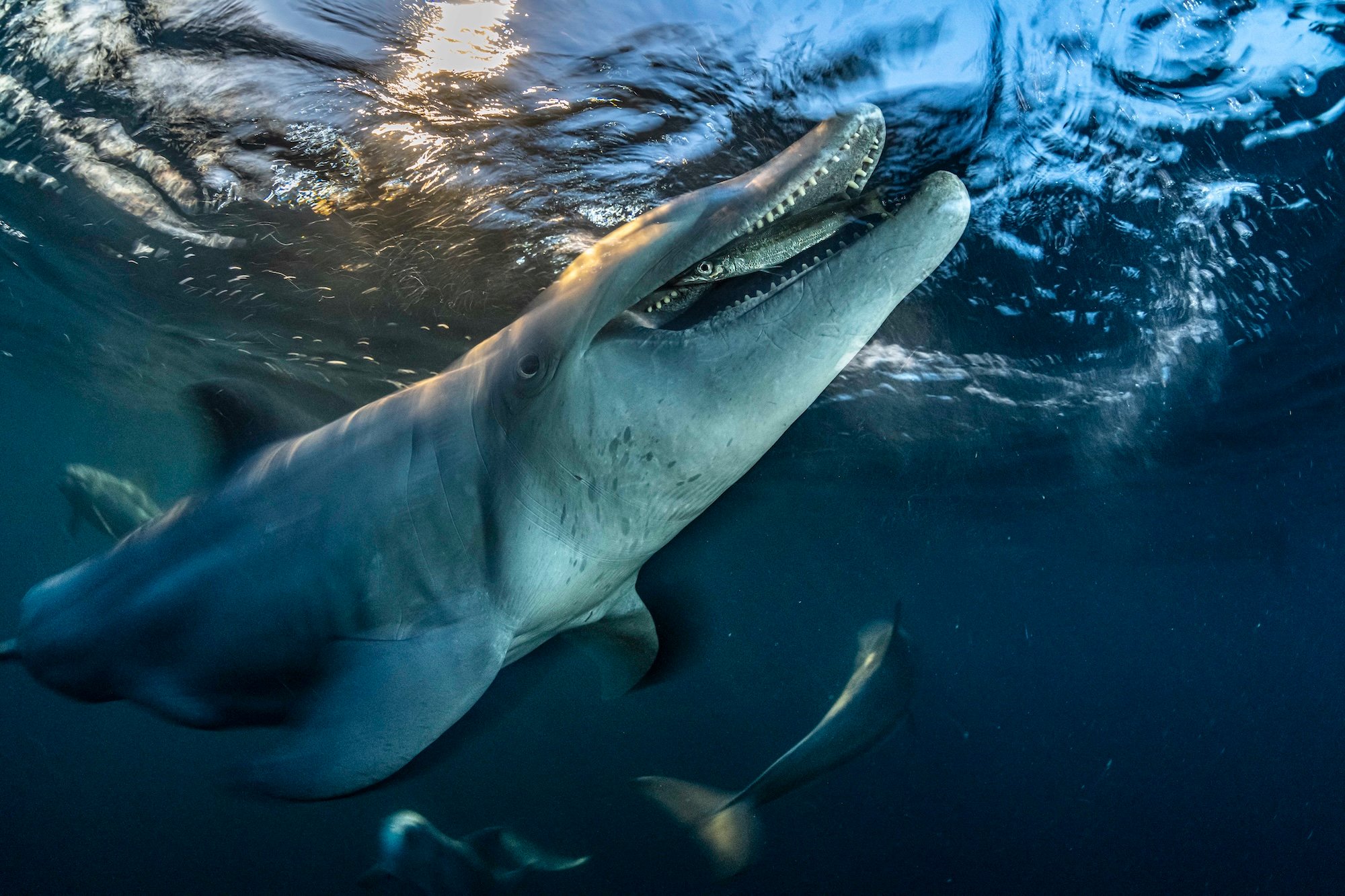
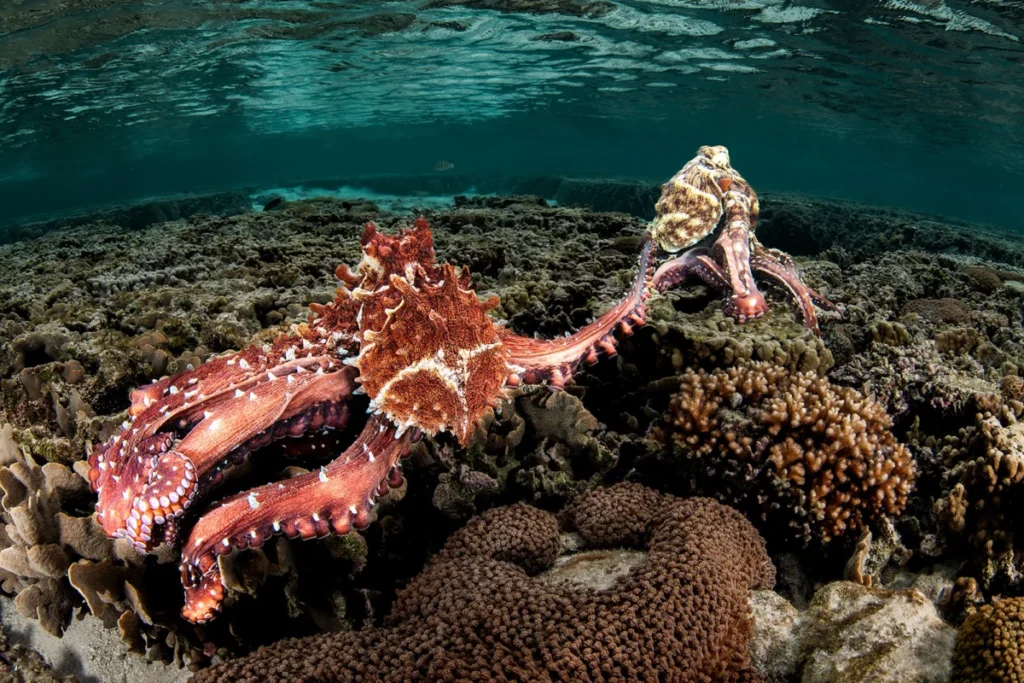
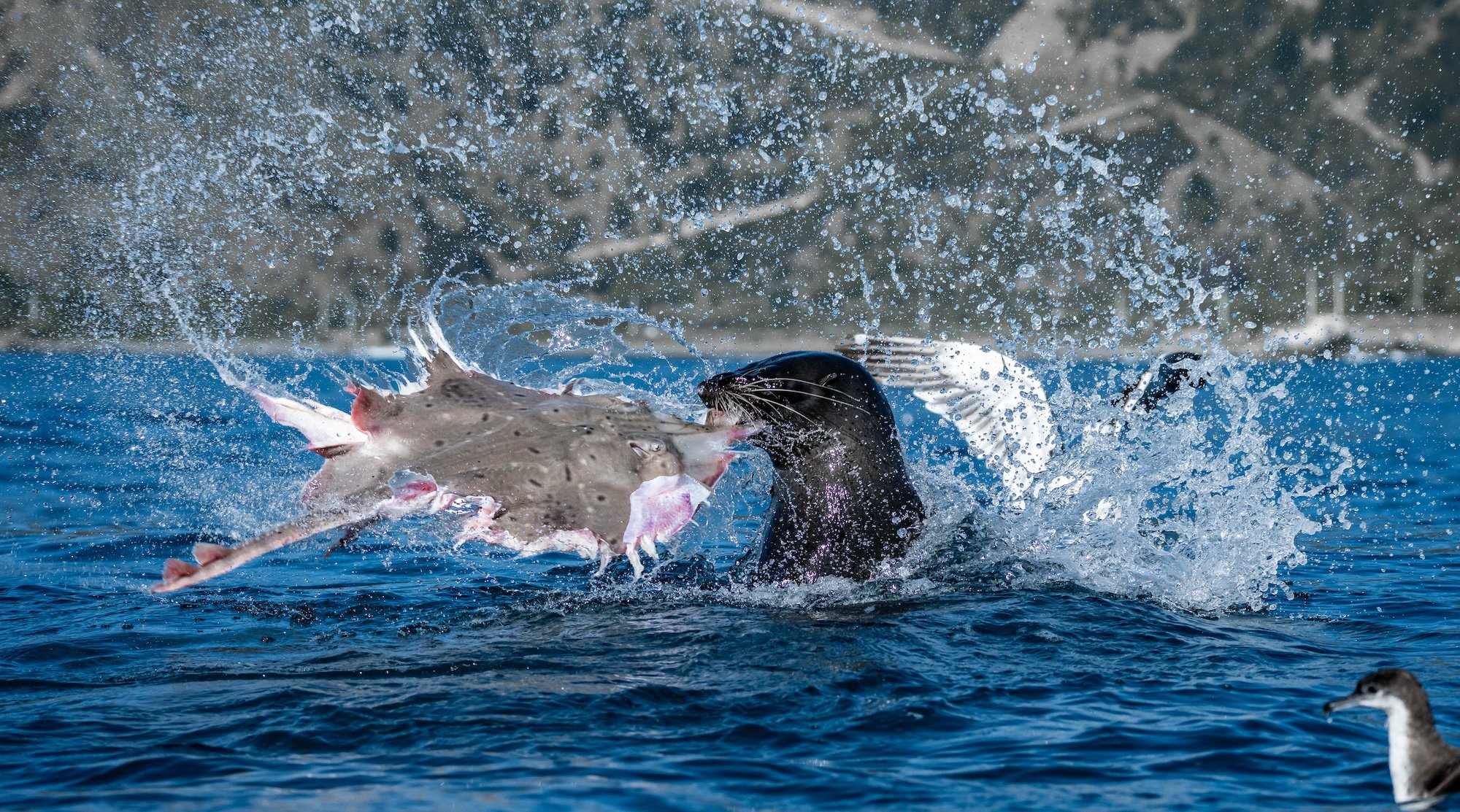
Other notable moments include Joshua Blank’s intimate macro-capture of two reef octopuses during courtship on the Great Barrier Reef, featuring the male extending his specialized hectocotylus arm. In Goose Bay, New Zealand, Allan Cronin photographed a New Zealand fur seal aggressively tearing apart a rough skate from a kayak, highlighting the complex trophic chains operating just beneath the surface. Suliman Alatiqi captured the remarkable mouthbrooding behavior of a male Banggai cardinalfish in North Sulawesi, illustrating an evolutionary strategy designed to maximize offspring survival rates in high-risk environments.
Official Responses and Statements
The announcement of the awards brought forth statements from the victors emphasizing the collaborative nature of underwater photography and the critical need for ecological stewardship. Grand prize winner Julien Anton credited the success of his image to the invaluable insights provided by local Tahitian and Moorean naturalists, fishermen, and residents.
"We spent countless hours searching in difficult conditions, with no guarantee of finding a single seahorse," Anton stated. "That is what made the moment so extraordinary—when the juveniles turned back towards the adult, it felt like something far beyond what I had dared to hope for. I am not a professional photographer; for me, photography is simply how I see and feel. My hope is that this image can serve as a bridge between science, conservation, and a world that deserves to know what is at stake."
Organizers from Oceanographic Magazine echoed these sentiments, noting that the images serve as vital documentation of marine ecosystems experiencing unprecedented shifts due to rising ocean temperatures, acidification, and overfishing. Representatives from Blancpain reiterated their long-standing commitment to ocean exploration and conservation initiatives, emphasizing that visual storytelling remains one of the most effective tools for inspiring global environmental policy changes.
Broader Impact and Implications
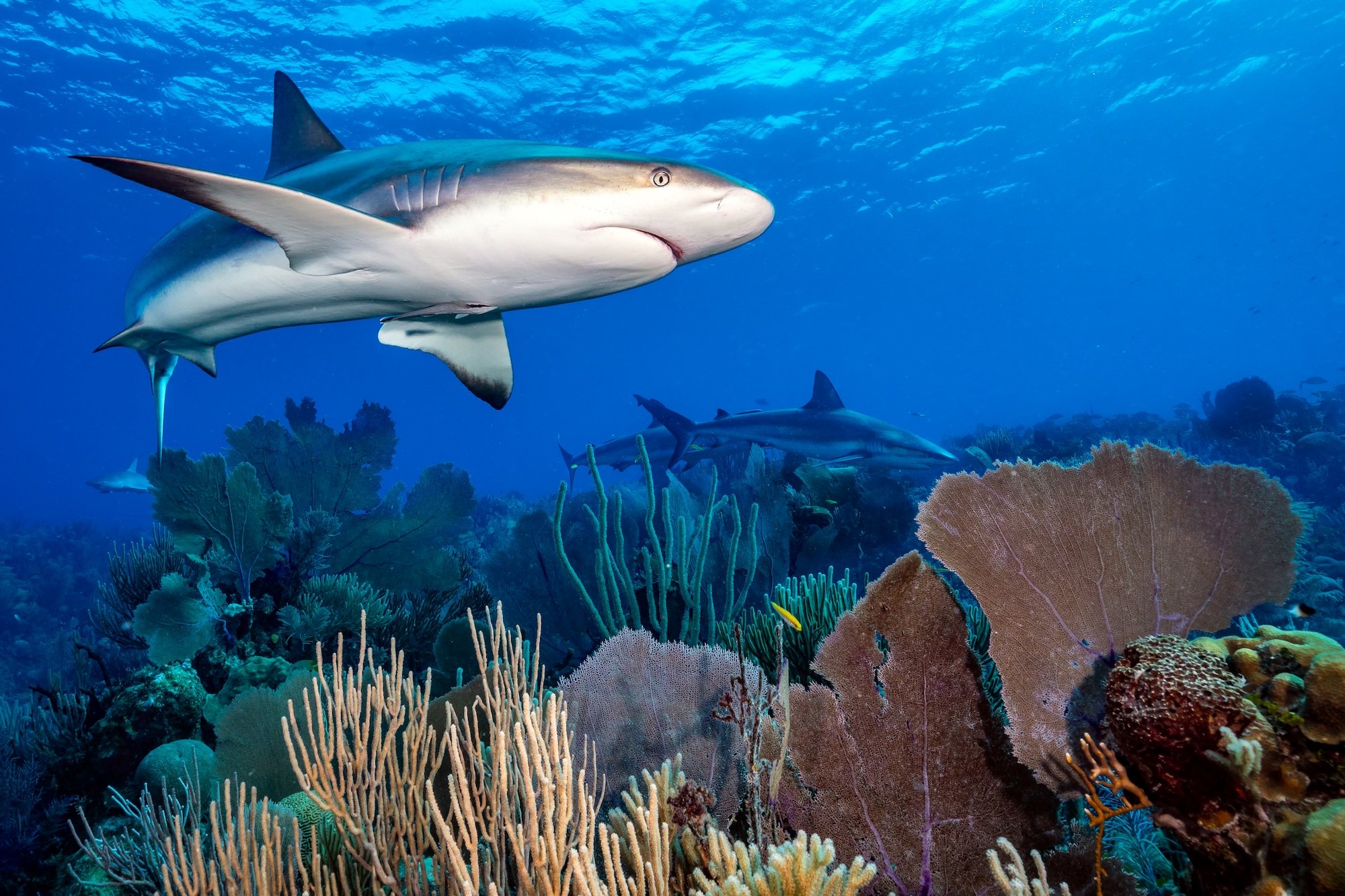
The release of the 2026 winning portfolios arrives at a critical juncture for global marine policy. As international bodies debate expanded marine protected areas (MPAs) and stricter regulations on commercial overfishing, visual evidence of thriving ecosystems—such as the federally protected Jardines de la Reina archipelago in Cuba, featured by Jenny Stock—demonstrates the tangible benefits of sustained conservation efforts.
Conversely, images capturing vulnerable micro-fauna, such as Iris Uijttewaal’s portrayal of a rice-grain-sized pygmy seahorse in Raja Ampat or Luis Arpa Toribio’s documentation of a Braun’s pughead pipefish in Lembeh, underscore the delicate equilibrium of coral reef habitats. Environmental analysts point out that these macro-photographs highlight the urgent need for responsible tourism and strict underwater photography guidelines, as unethical practices—such as damaging coral structures to improve visibility—continue to threaten fragile marine micro-habitats.
Ultimately, the 2026 Ocean Photographer of the Year awards transcend artistic recognition, functioning as a comprehensive visual census of the sea’s resilience and vulnerability. By framing the ocean as a shared, dynamic environment—exemplified by Gergo Rugli’s image of dolphins riding waves alongside surfers in Sydney, and Daniel Edmond Sullivan Jr.’s aerial shot of multi-discipline wave riders at Jaws in Maui—the exhibition reinforces the interconnected destiny shared by humanity and the marine biosphere.