


Rabies remains one of the most formidable and persistently lethal viral zoonoses affecting both human populations and animal ecosystems globally. Despite centuries of medical advancement, widespread educational campaigns, and sophisticated wildlife conservation efforts, the disease continues to pose a severe public health challenge. According to data compiled by the Centers for Disease Control and Prevention (CDC), approximately 90 percent of all reported rabies cases in the United States occur within wildlife populations. The economic toll of combating, monitoring, and treating the disease exceeds $300 million annually in the United States alone. This substantial financial commitment is necessitated by the devastating nature of the virus: once clinical symptoms manifest—ranging from severe neurological disruptions, violent spasms, and hydrophobia to altered sensory perception and eventual loss of consciousness—rabies is virtually 100 percent fatal in the absence of prompt post-exposure prophylaxis. Globally, the virus claims an estimated 59,000 lives each year, making aggressive wildlife management a public health imperative.
Historical Context and the Evolution of Rabies Vectors
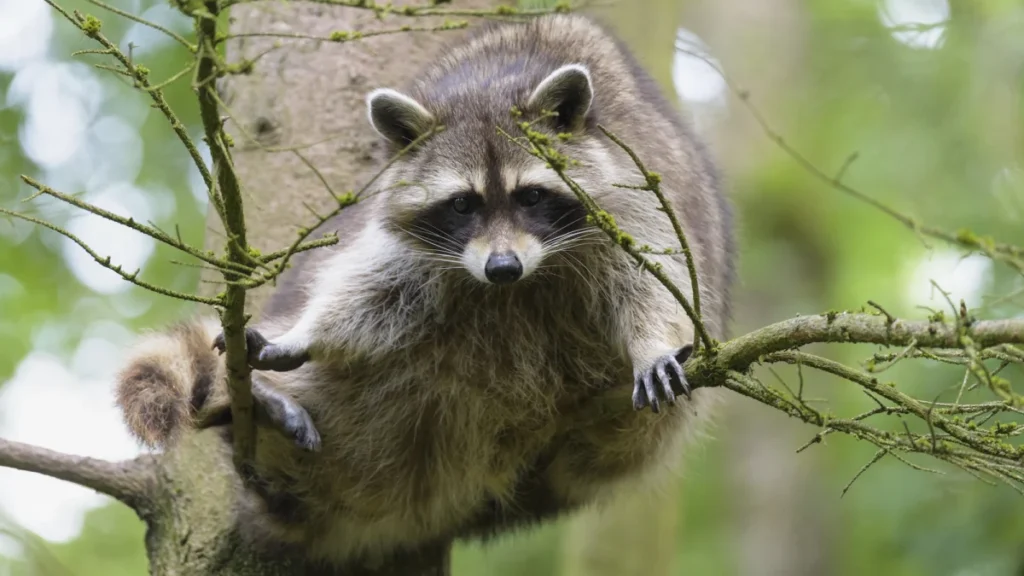
The epidemiological landscape of rabies has shifted dramatically over the past century. While the virus was once predominantly associated with domestic canines, systematic vaccination programs and leash laws have largely eliminated the canine rabies variant from the United States. However, the virus successfully adapted to native wildlife reservoirs. Today, primary vectors in North America include raccoons, striped skunks, red and gray foxes, and various species of insectivorous bats.
This transition from domestic to wild animal vectors transformed rabies management from a domestic animal control issue into a complex ecological challenge. Tracking and controlling the virus across dense forests, suburban peripheries, and rugged terrain required entirely new methodologies. Recognizing the necessity of a coordinated national defense against the westward migration of raccoon rabies, the United States Department of Agriculture (USDA) established the National Rabies Management Program (NRMP) in 1995. Operating in close collaboration with state and federal departments of health and agriculture, tribal nations, university researchers, and private conservation groups, the NRMP has spent the last three decades developing scalable, science-backed mitigation strategies. Among the most effective innovations to emerge from this initiative is the deployment of oral rabies vaccine (ORV) baits, distributed across thousands of square miles via targeted aerial airdrops.
The Logistics of Aerial Vaccine Distribution
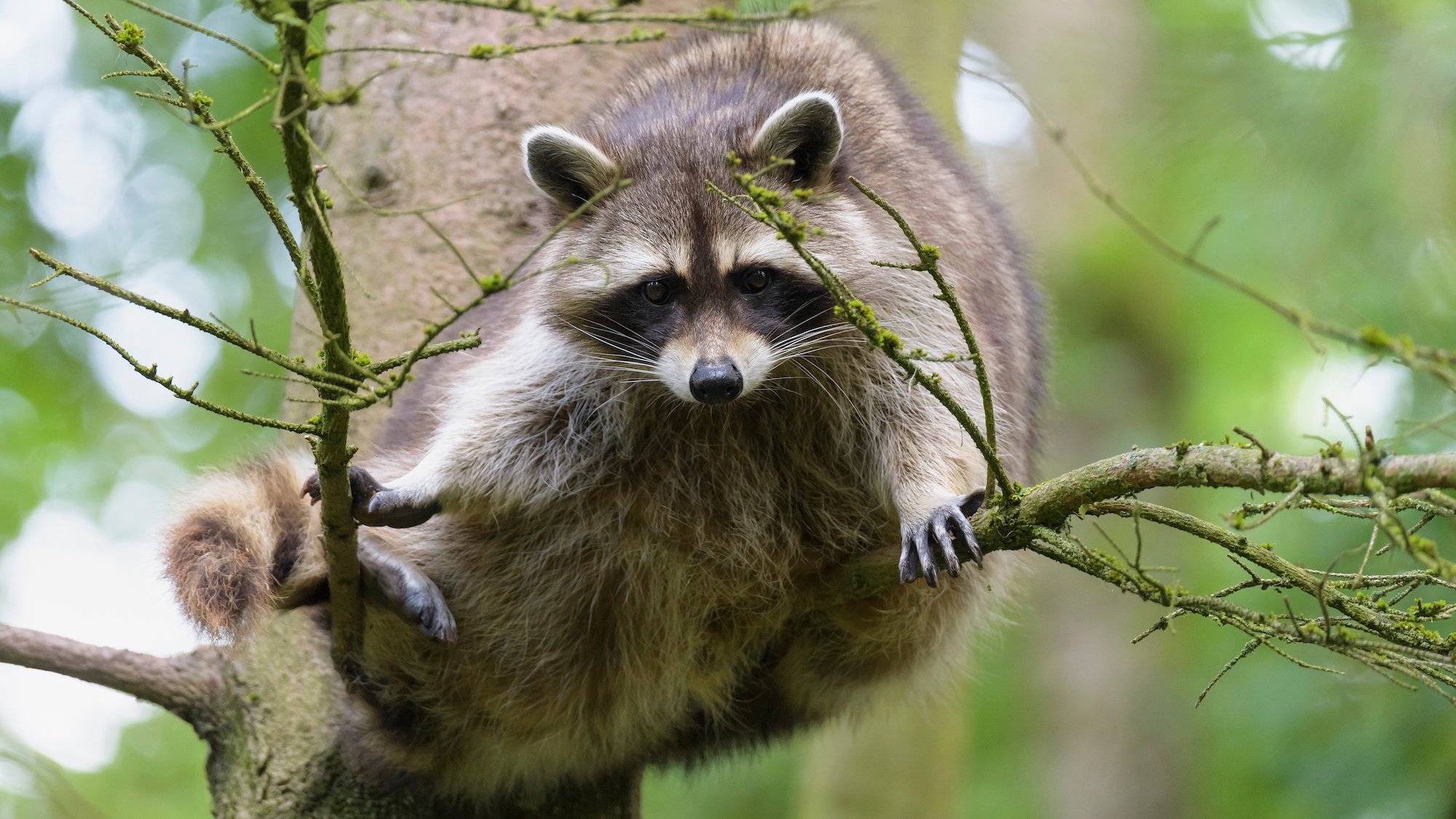
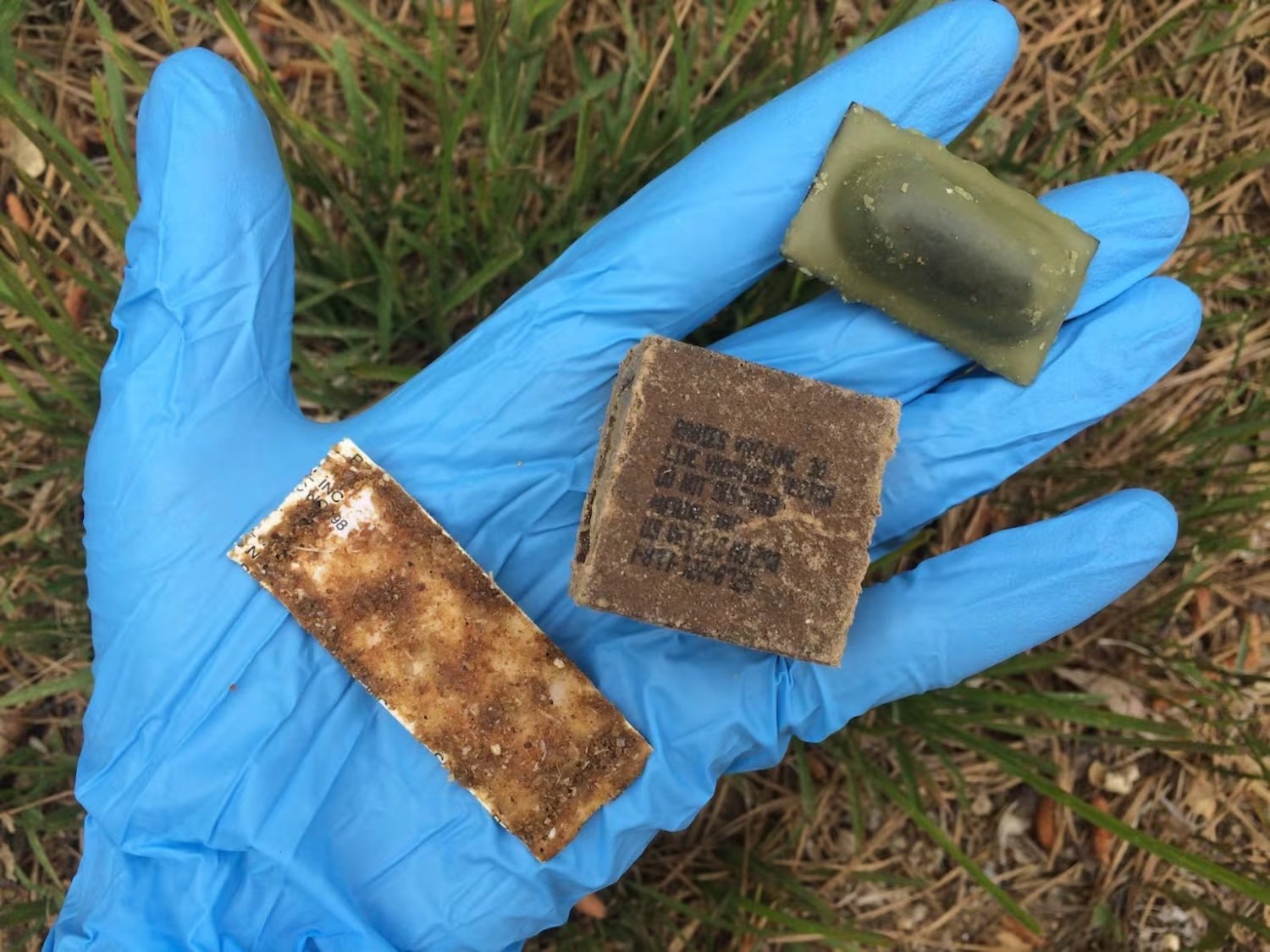
Beginning next month, the USDA’s Wildlife Services program will initiate its annual autumn aerial distribution campaign, releasing millions of fishmeal-coated ORV packets across vast swaths of the Southeastern United States, including targeted zones in Virginia, North Carolina, Tennessee, Georgia, and Alabama. These specialized edible baits are engineered to attract specific target species—predominantly raccoons, coyotes, and gray foxes—by utilizing an outer coating composed of fishmeal and fish crumb fat. Encased within the palatable matrix is a small plastic packet containing the liquid vaccine. When an animal bites into the bait, the packet ruptures, bathing the oral mucosa in the vaccine and stimulating an immune response.
The overarching objective of these extensive aerial campaigns is strategic containment. "The goal is to prevent westward spread of raccoon rabies by creating a continuous vaccine barrier that stays in front of rabies occurrence on the landscape," a USDA spokesperson explained during a recent briefing. By maintaining an immunized demographic buffer zone ahead of the advancing rabies front, wildlife officials can effectively halt the geographic expansion of the virus. Although current operations do not encompass the entirety of South Carolina, federal and state agencies are actively evaluating expansion plans. Officials note they are nearing the threshold required to establish a formalized ORV barrier zone in South Carolina counties directly bordering North Carolina and Georgia within the next few years.
Safety Protocols and Public Guidance
As large-scale aerial drops resume, federal wildlife agencies have reiterated important safety guidelines for residents living within or near the treatment zones. The oral rabies vaccine utilized in the ORV program is attenuated and has been proven safe across more than 60 different animal species, including domestic dogs and cats. Consequently, accidental ingestion by pets or non-target wildlife does not pose a toxicity risk.
Nevertheless, public health officials advise citizens to exercise common sense if they encounter an ORV bait packet in a residential yard, park, or rural property. The packets are coated in fishmeal, which can emit a pungent odor as it degrades in the elements, but citizens should refrain from handling them unnecessarily. The USDA recommends leaving undisturbed baits in place so that the intended wildlife recipients can find them. If a bait packet must be moved—such as if it is located in an area frequented by unsupervised children or domestic pets—individuals should wear heavy-duty work gloves or use a plastic bag to relocate the bait to a wooded or more remote area. Thorough handwashing with soap and water is strongly advised immediately following any accidental contact with the vaccine matrix.
Chronology of the National Rabies Management Program
To understand the current scale of the USDA’s airdrop campaign, it is necessary to examine the historical progression of modern wildlife rabies management in the United States:
- 1995: The USDA formally establishes the National Rabies Management Program (NRMP) in response to a major epizootic of raccoon rabies moving down the Eastern Seaboard.
- Late 1990s to Early 2000s: Researchers refine oral rabies vaccine formulations, transitioning from experimental field trials to standardized bait blocks coated in attractants like fishmeal and synthetic fats.
- 2006: Aerial distribution techniques are systematically scaled up, utilizing fixed-wing aircraft and helicopters equipped with computerized drop mechanisms to ensure precise, uniform coverage across geographically challenging terrain.
- 2010s: The NRMP successfully halts the westward advancement of raccoon rabies in several key transition states, establishing a permanent immunological barrier stretching from the Gulf of Mexico to the Northeast.
- 2020 to Present: Program administrators integrate geographic information systems (GIS) and remote sensing data to optimize flight paths, evaluate herd immunity metrics in target species, and prepare for future expansion into emerging endemic zones across the Southeast.
Economic and Ecological Implications
The sustained financial investment in the National Rabies Management Program yields substantial returns when measured against the alternative costs of inaction. Without aggressive prevention strategies, an unchecked rabies outbreak among wildlife populations invariably results in increased spillover events involving domestic livestock, household pets, and humans. The subsequent requirement for human post-exposure prophylaxis (PEP)—a multi-dose regimen of rabies immune globulin and vaccines administered following a suspected exposure—costs the American healthcare system hundreds of millions of dollars annually. Furthermore, human treatment delays can result in catastrophic clinical outcomes.
Ecologically, widespread rabies epizootics can decimate local populations of medium-sized carnivores, destabilizing predator-prey dynamics and ecosystem health. By proactively immunizing wildlife populations rather than relying on reactive culling or population reduction—methods that have historically proven ineffective at stopping viral spread—the USDA’s barrier strategy represents a sustainable synthesis of veterinary medicine and conservation science.
Looking forward, program administrators project that successful containment and regional elimination could eventually allow the geographic scope of the NRMP to contract. However, until complete eradication is achieved across North America, the annual ritual of aircraft soaring over southern canopies to drop millions of fishmeal-scented packets will remain an essential frontline defense in protecting both human communities and wildlife habitats.