

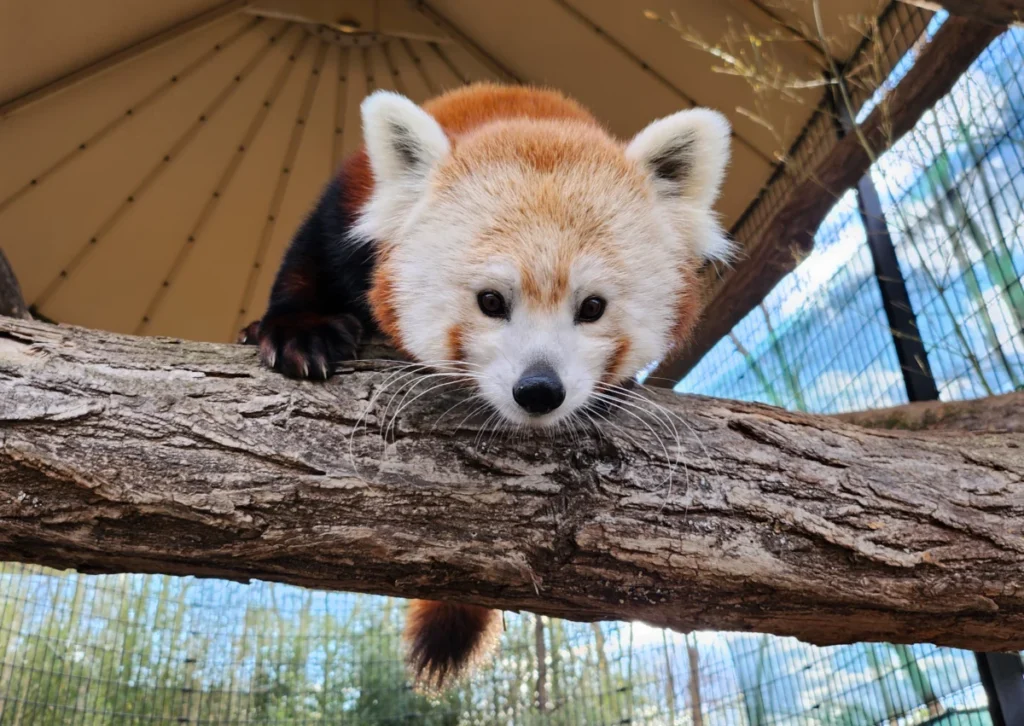
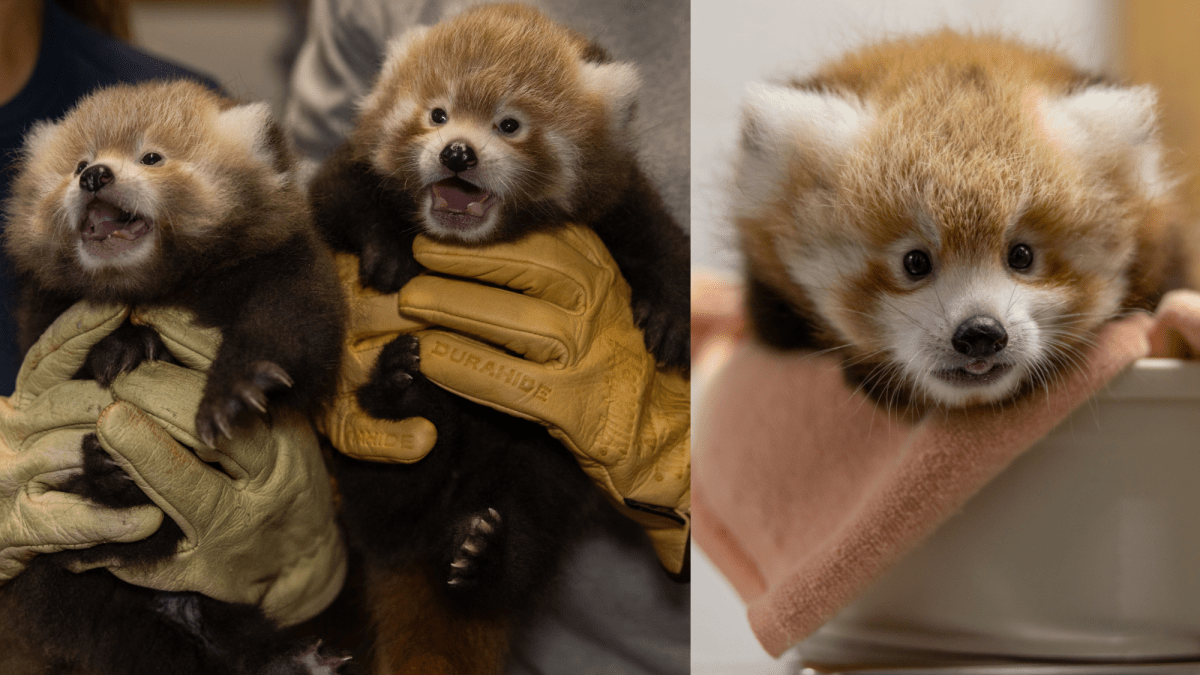
The Smithsonian’s National Zoo and Conservation Biology Institute in Washington, D.C., has announced a significant milestone in its wildlife preservation efforts with the birth of three red panda cubs earlier this summer at its Front Royal, Virginia conservation campus. The arrivals—a set of twins born on May 29 and a singleton born on June 11—arrived just in time to bolster international celebrations for International Red Panda Day. These births represent a critical genetic contribution to the global population of an endangered species facing severe pressures in its native Himalayan habitats.
Main Facts and Parentage Details
The conservation campus welcomed the first litter on May 29, when a 3-year-old female named Sequoia and a 12-year-old male named Mow Mow produced one female and one male cub. Shortly after, on June 11, a second litter arrived when a 3-year-old female named Keahi gave birth to a single female cub, sired by a 7-year-old male named Rocket.
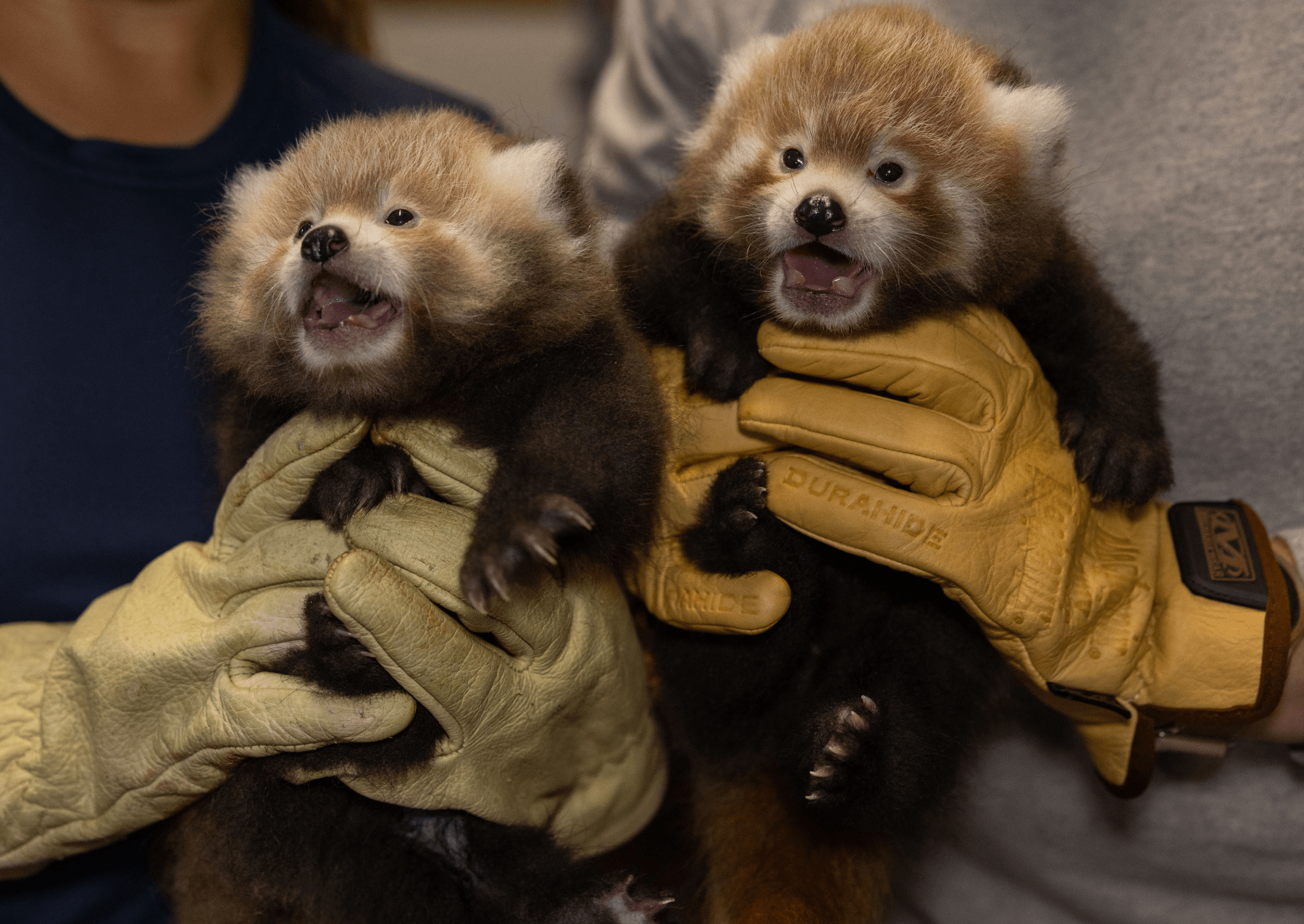
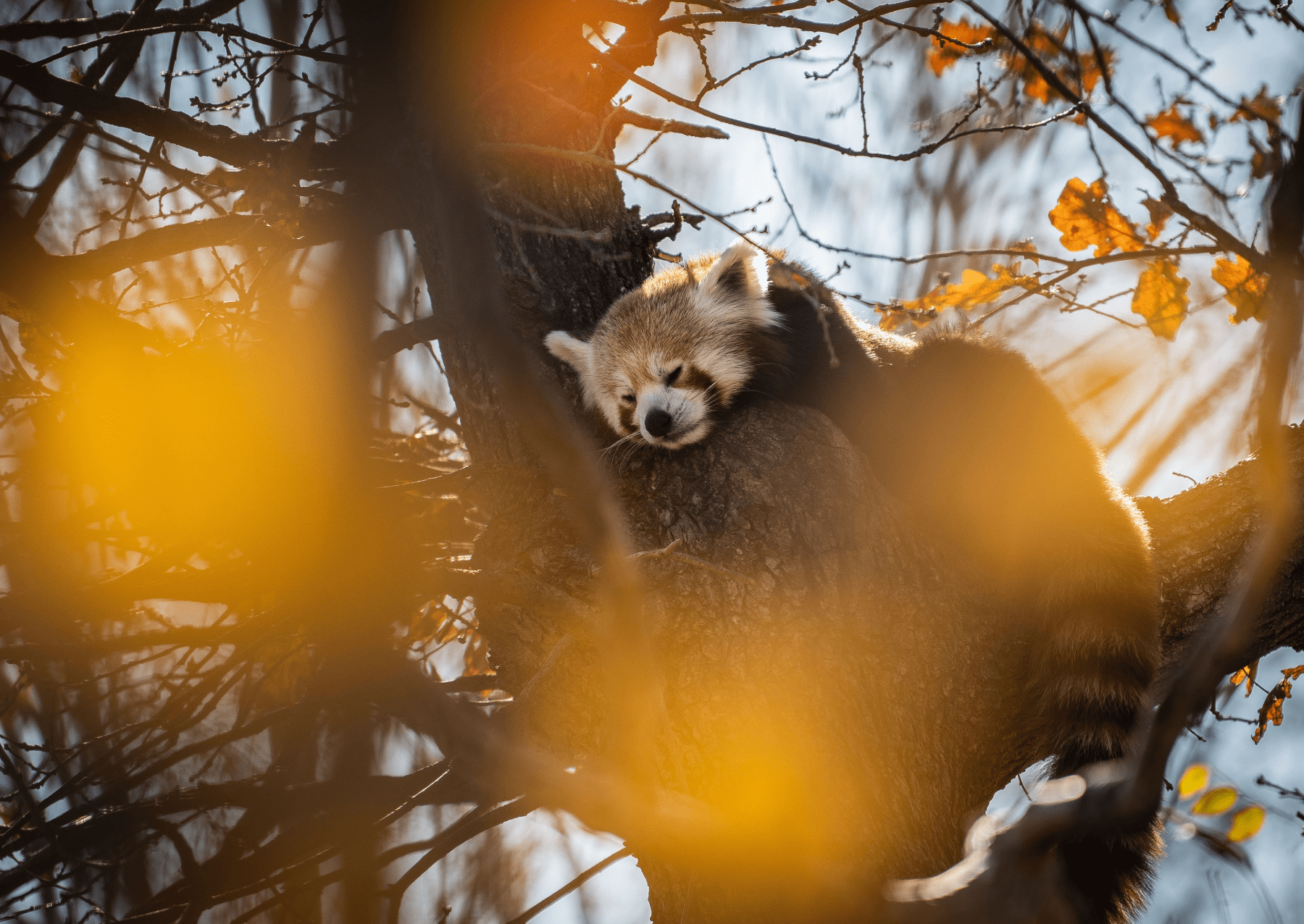
While the general public cannot view the newborns directly—as the Front Royal facility is closed to visitors—animal care staff have closely monitored the families. The cubs have spent the summer safely tucked away inside nest boxes, relying entirely on their mothers for milk and warmth while gradually developing mobility and distinct personalities.
According to Jessica Kordell, assistant curator of carnivores at the Front Royal campus, the single cub has shown a particularly outgoing and bold demeanor. "The singleton seems to leave the nest boxes more and more," Kordell noted. "Maybe because she wants to be with mom or maybe she’s a bit more precocious… She’s definitely feisty and huff-quacks at us every chance she gets."
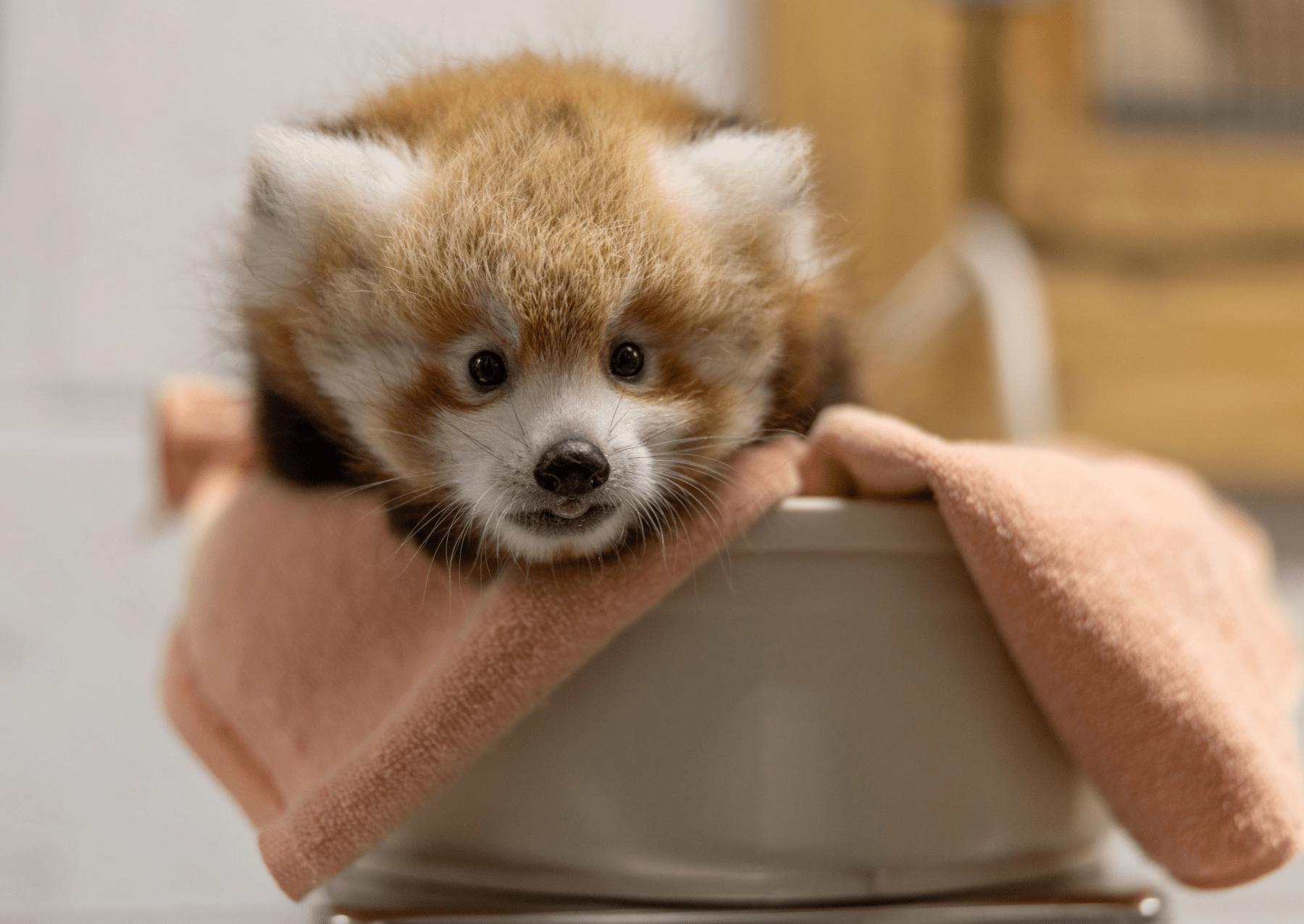
In contrast, the twins from the May litter have displayed a more cautious and bonded nature, frequently cuddling and staying close to one another. Meanwhile, the parents have exhibited positive behavioral developments. Mow Mow, the oldest and traditionally most timid male in the group, has grown significantly in confidence through his interactions with Sequoia.
Chronology of the Breeding Season
The successful breeding season followed a carefully managed timeline overseen by Smithsonian biologists and the Species Survival Plan (SSP), a cooperative program coordinated by the Association of Zoos and Aquariums (AZA).
- Late Spring (May 29): Sequoia gives birth to a male and female cub following a gestation period typically lasting between 90 and 150 days.
- Early Summer (June 11): Keahi gives birth to a single female cub.
- Summer Months: Mothers and cubs remain isolated in specialized nest boxes. Keepers introduce bamboo into the enclosures to encourage foraging behaviors as the cubs approach weaning age.
- Late Summer and Early Autumn: Cubs begin to explore outside their nest boxes, showcasing emerging vocalizations, climbing skills, and socialization patterns. They are expected to remain with their mothers until the onset of the next breeding season.
Supporting Data and Ecological Background
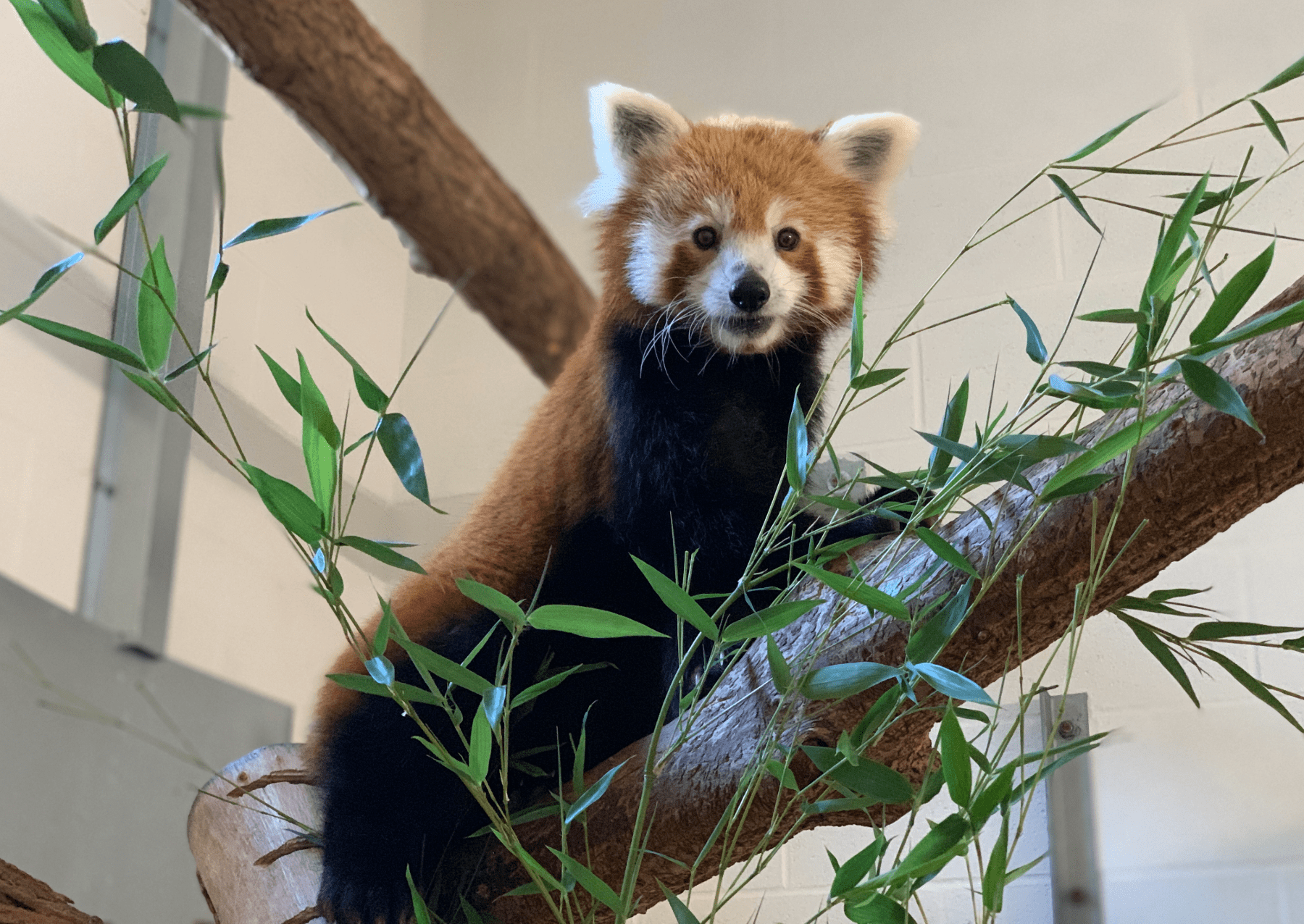
Red pandas (Ailurus fulgens) are small arboreal mammals native to the high-altitude temperate forests of the Himalayas and southwestern China, spanning countries such as Nepal, India, Bhutan, Myanmar, and China. Despite their name, they are not closely related to giant pandas; instead, genetic taxonomies place them in their own unique family, Ailuridae, with distant evolutionary ties to raccoons, skunks, and weasels.
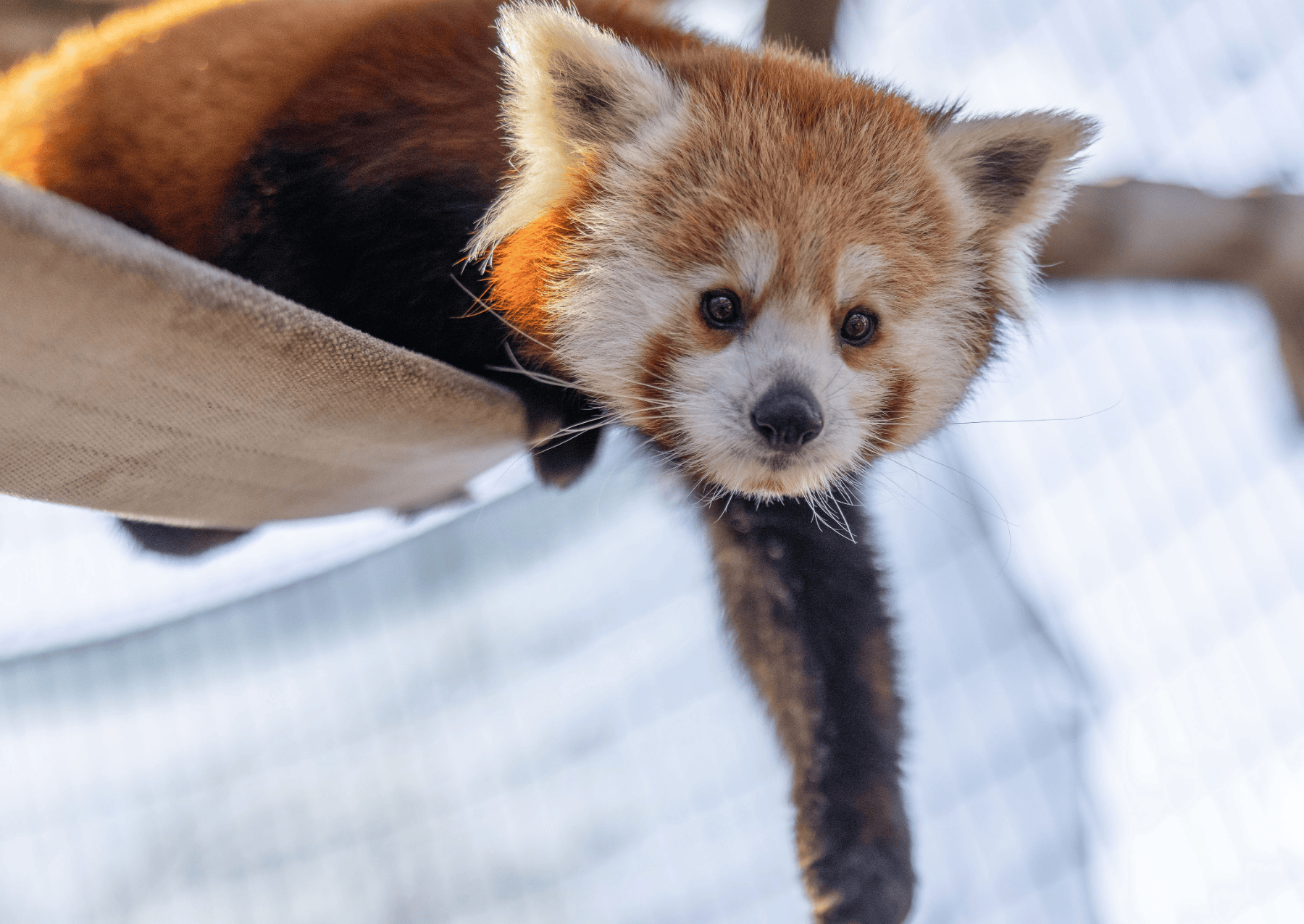
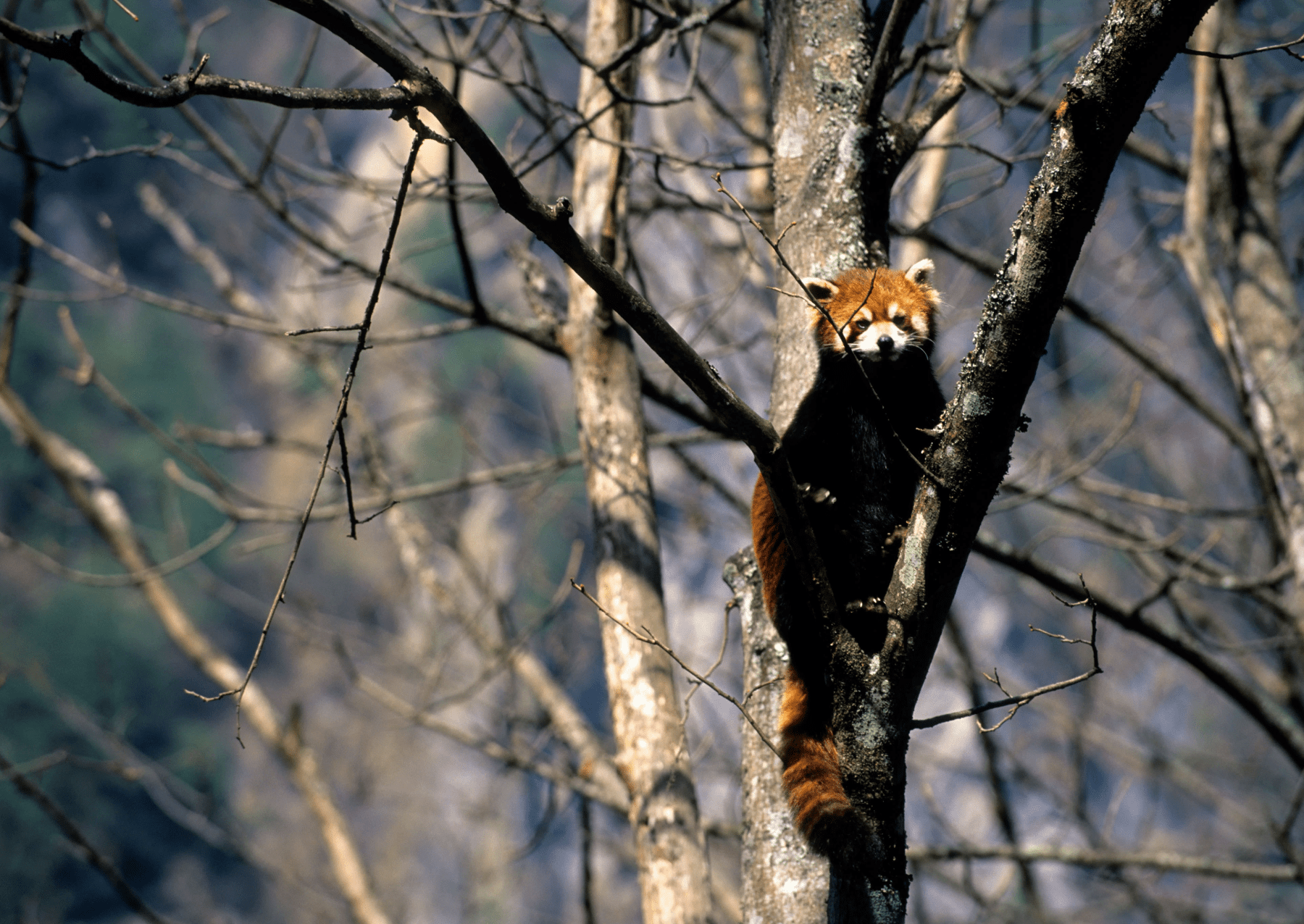
Physiologically, red pandas possess several specialized adaptations for survival in cold, forested mountainous environments. Their dense reddish-brown coats match the reddish lichens growing on the trees in their native ranges, while their dark black bellies provide countershading, helping them blend into shadows when resting in the forest canopy. During periods of extreme cold, red pandas enter a state known as torpor, wrapping their long, ringed tails around their bodies to lower their core body temperatures, metabolic rates, and respiration requirements.
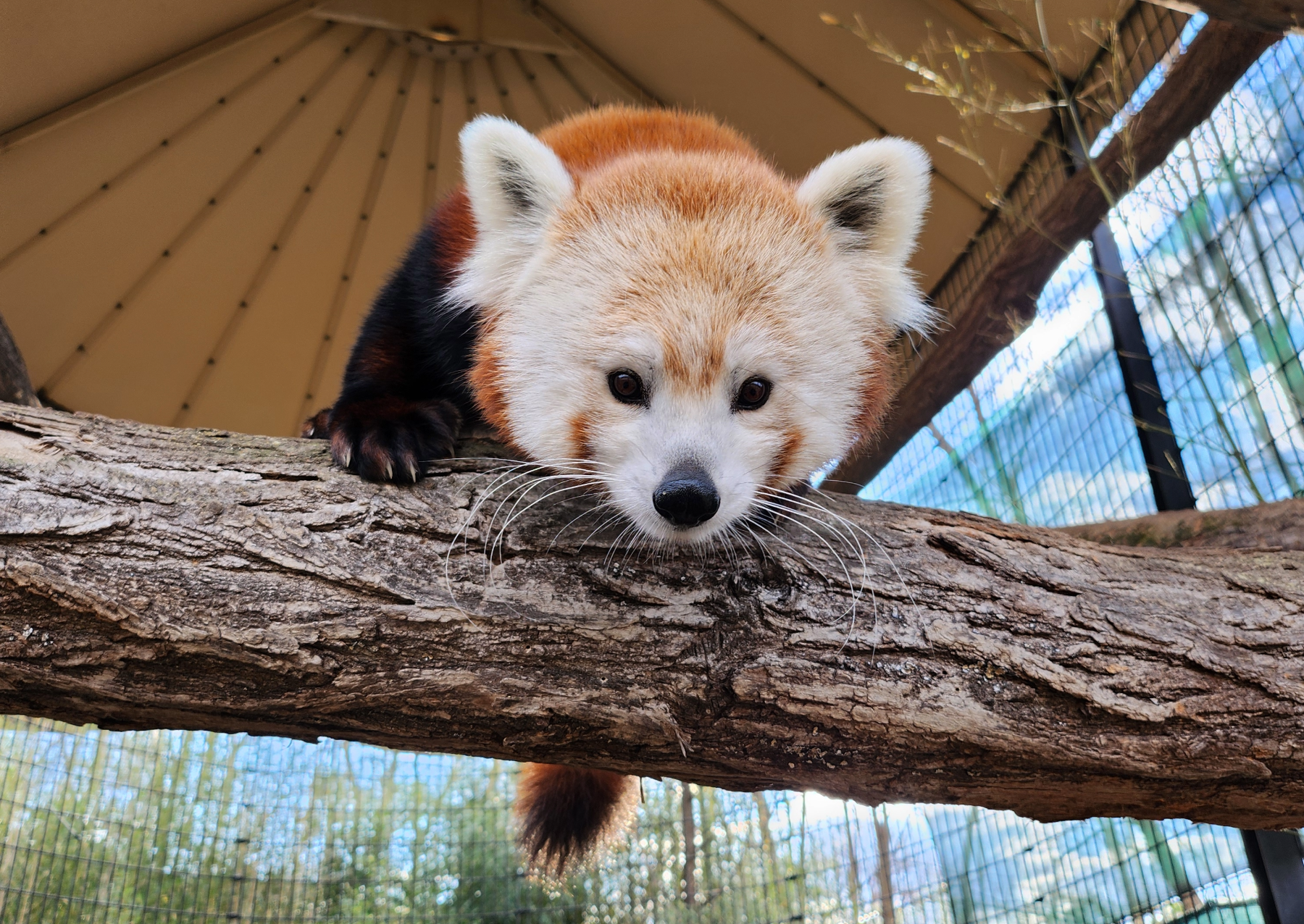
Dietary constraints present a major challenge for the species. Red pandas are primarily folivores, relying heavily on fresh bamboo shoots and leaves. However, because they can digest only about 24 percent of the fibrous bamboo they consume, they must spend a substantial portion of their day eating. An adult red panda typically consumes roughly 20 to 30 percent of its body weight—amounting to two to four pounds of fresh bamboo—daily. They supplement this diet with fruit, insects, grasses, and occasional bird eggs.
Official Responses and Conservation Priorities
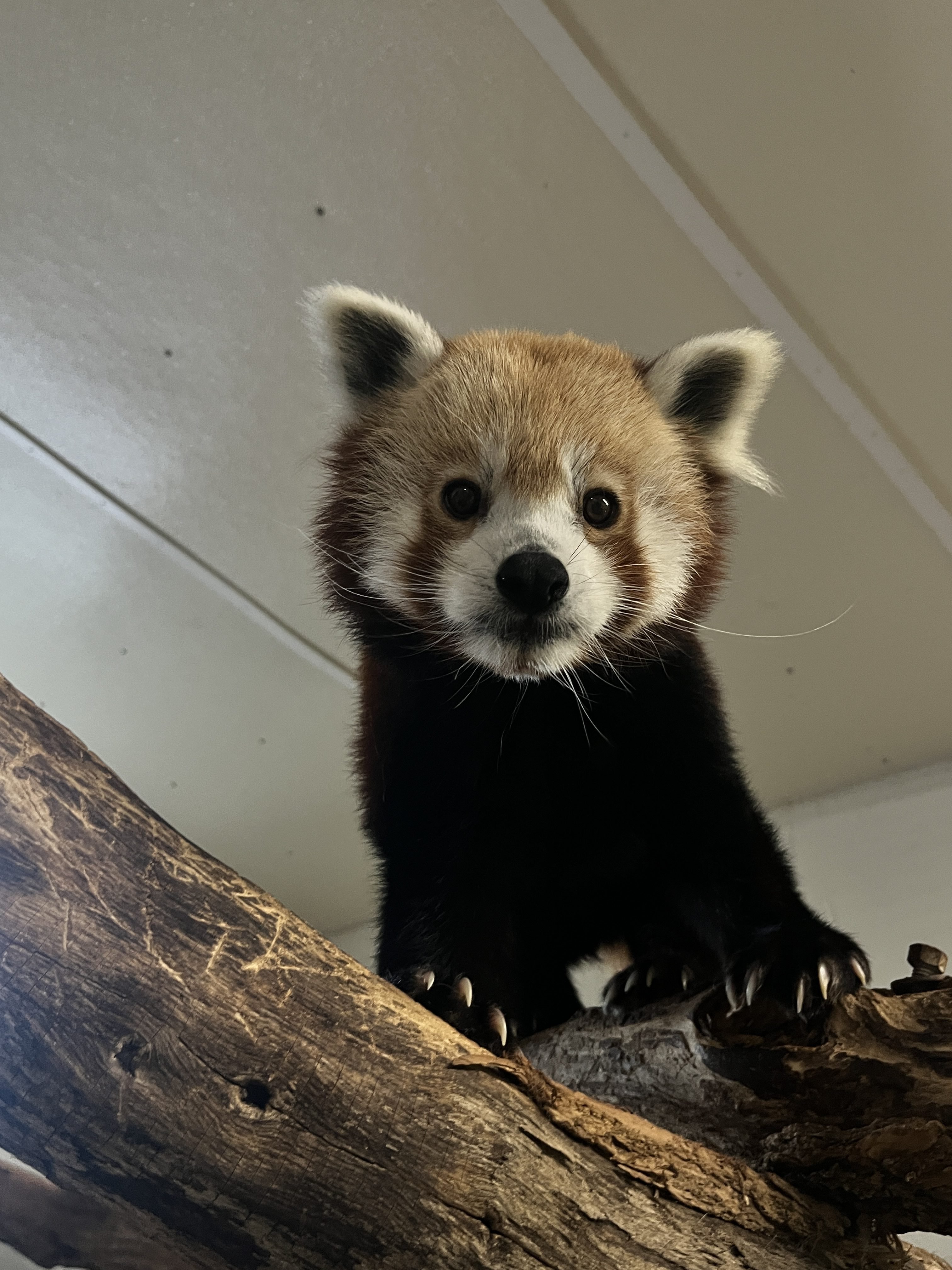
The birth of these three cubs holds profound implications for institutional breeding programs. With fewer than 10,000 red pandas estimated to remain in the wild, every successful birth within accredited zoological institutions helps maintain a genetically diverse insurance population against potential extinction events.
"The new cubs are ensuring the population overall," Jessica Kordell stated. "Honestly, we can’t conserve the species and continue to breed them if we don’t have the animals. They are ensuring that their parents’ genetic material basically gets passed on to the next generation."
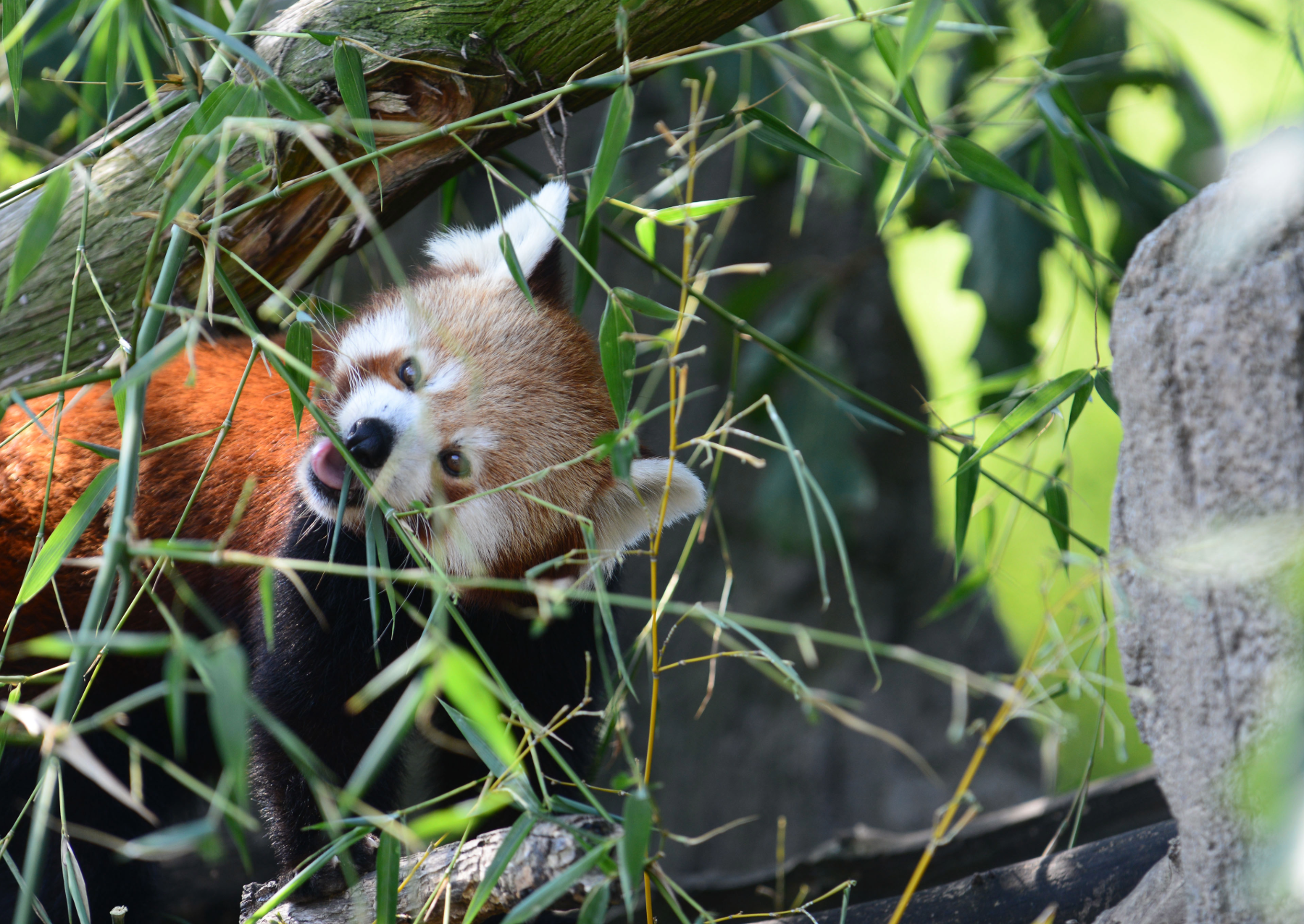
Habitat fragmentation and deforestation constitute the primary threats to wild red panda populations. In regions like Nepal, expanding agricultural activities, infrastructure development, and timber harvesting have divided contiguous forests into hundreds of isolated patches, making it difficult for red pandas to migrate, find food, and locate mates.
To combat these pressures, conservation organizations such as the Red Panda Network (RPN)—founded in 2007—have spearheaded community-based conservation initiatives in Nepal. These programs focus on creating protected forest corridors, planting native bamboo species, and working alongside local indigenous communities to promote sustainable land-use practices that benefit both humans and wildlife.
Broader Impact and Implications for Public Education
The Smithsonian Institution partners closely with organizations like the RPN through the AZA’s SAFE (Saving Animals From Extinction) Red Panda Program. A core component of this partnership involves public outreach and education, translating zoo visitors’ enthusiasm for the charismatic animals into tangible support for field conservation initiatives.
"We like to say to visitors, ‘We’re getting you excited about them, but also you should learn more about it and how they’re working to conserve land and redistribute the forest, and working on land corridors,’" Kordell explained. "It relates back to just getting people to care."
While the Front Royal conservation breeding center remains restricted to researchers and animal care staff, visitors to the Smithsonian’s National Zoo in Washington, D.C., can observe adult red pandas, such as an individual named Asa, along the park’s Asia Trail exhibit. Through a combination of managed breeding, scientific monitoring, and public engagement, institutions like the Smithsonian continue to play a pivotal role in securing a future for one of the world’s most vulnerable and beloved arboreal mammals.