


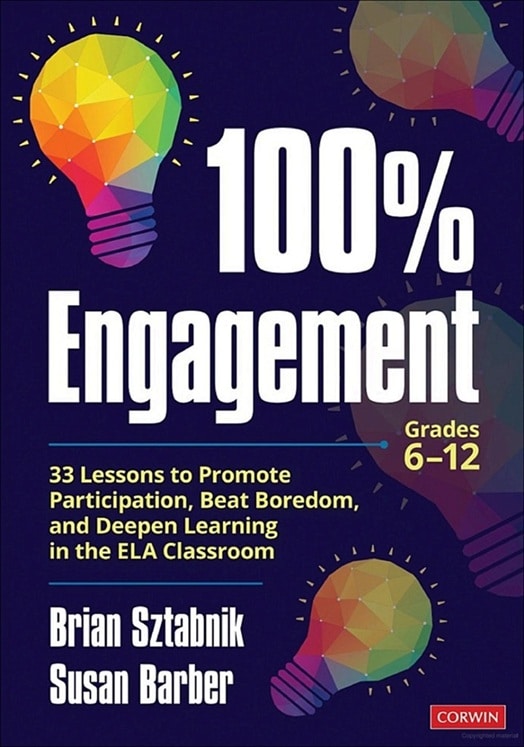
A significant challenge confronting educators today is maintaining student engagement, particularly within core subjects like English Language Arts (ELA). Despite the foundational importance of reading and textual interaction—encompassing everything from classic literature to contemporary articles—many students experience these activities as dry and uninspiring. This prevalent issue of disengagement not only hinders learning but also undermines the development of critical literacy skills essential for academic and future success. In response to this widespread concern, veteran high school English teachers Brian Sztabnik and Susan Barber have developed and compiled a series of innovative, low-tech strategies designed to transform passive textual consumption into active, dynamic learning experiences. Their work, culminating in the book "100% Engagement: 33 Lessons to Promote Participation, Beat Boredom, and Deepen Learning in the ELA Classroom," offers practical solutions for educators seeking to revitalize their classrooms.
The Pervasive Challenge of Student Disengagement in ELA
For decades, the English Language Arts classroom has been the primary arena for students to grapple with complex narratives, analytical thinking, and the nuances of language. Textbooks, novels, poems, and articles form the bedrock of this curriculum, intended to cultivate critical thinking, empathy, and effective communication. However, the traditional methods of delivering this content often fall short in capturing and sustaining student interest. A 2022 Gallup poll, for instance, indicated that only 36% of K-12 students feel engaged in school, a figure that often sees a marked decline as students progress into high school. This engagement gap is particularly pronounced in subjects perceived as academically rigorous or requiring extensive solitary work, such as ELA.

Teachers frequently report a struggle to make required texts resonate with a generation accustomed to dynamic, interactive digital content. As Susan Barber candidly observes regarding traditional close reading assignments, "their eyes would be glazed over." This sentiment highlights a critical pedagogical dilemma: how to bridge the gap between curriculum demands and student receptivity. The consequence of disengagement extends beyond mere boredom; it can lead to superficial understanding, poor retention of information, and a reluctance to engage with challenging material, ultimately impacting literacy rates and analytical capabilities.
A Decade of Collaborative Innovation: The Genesis of "100% Engagement"
Brian Sztabnik and Susan Barber are not newcomers to the educational landscape. With extensive experience as high school English teachers, they have spent the past decade actively cultivating an online community for ELA educators. Through their blog, "Much Ado About Teaching," and various social media platforms, they fostered a space for dialogue, shared challenges, and collaborative problem-solving. This online interaction revealed a recurring theme among their peers: a collective struggle to devise lessons that genuinely captivate students and promote deeper learning.
Recognizing this critical need, Sztabnik and Barber began systematically curating and developing strategies that addressed the core issues of student passivity and boredom. Their approach was grounded in the belief that effective engagement doesn’t necessarily require expensive technology or complex setups; often, the most impactful methods are low-tech, interactive, and encourage physical movement and peer collaboration. This philosophy runs counter to some contemporary trends that advocate for increasingly digital solutions, demonstrating that foundational pedagogical principles remain highly effective. The culmination of this extensive work and community feedback led to the publication of "100% Engagement" earlier this year, a resource that distills their insights into actionable lessons.
The Pedagogical Framework: Active, Low-Tech, and Movement-Oriented Learning
The core principle underpinning Sztabnik and Barber’s strategies is a shift from passive reception to active construction of knowledge. Educational research consistently supports the efficacy of active learning over passive methods, demonstrating improved retention, deeper understanding, and enhanced problem-solving skills. By incorporating movement, collaboration, and hands-on manipulation of texts, these strategies tap into multiple learning modalities, catering to diverse student needs and preferences. The book presents 33 such lessons, three of which were highlighted in a recent podcast interview, showcasing their potential to revitalize any classroom where textual interaction is central.
Strategy 1: Cutting Up Poems – Deconstructing for Deeper Understanding
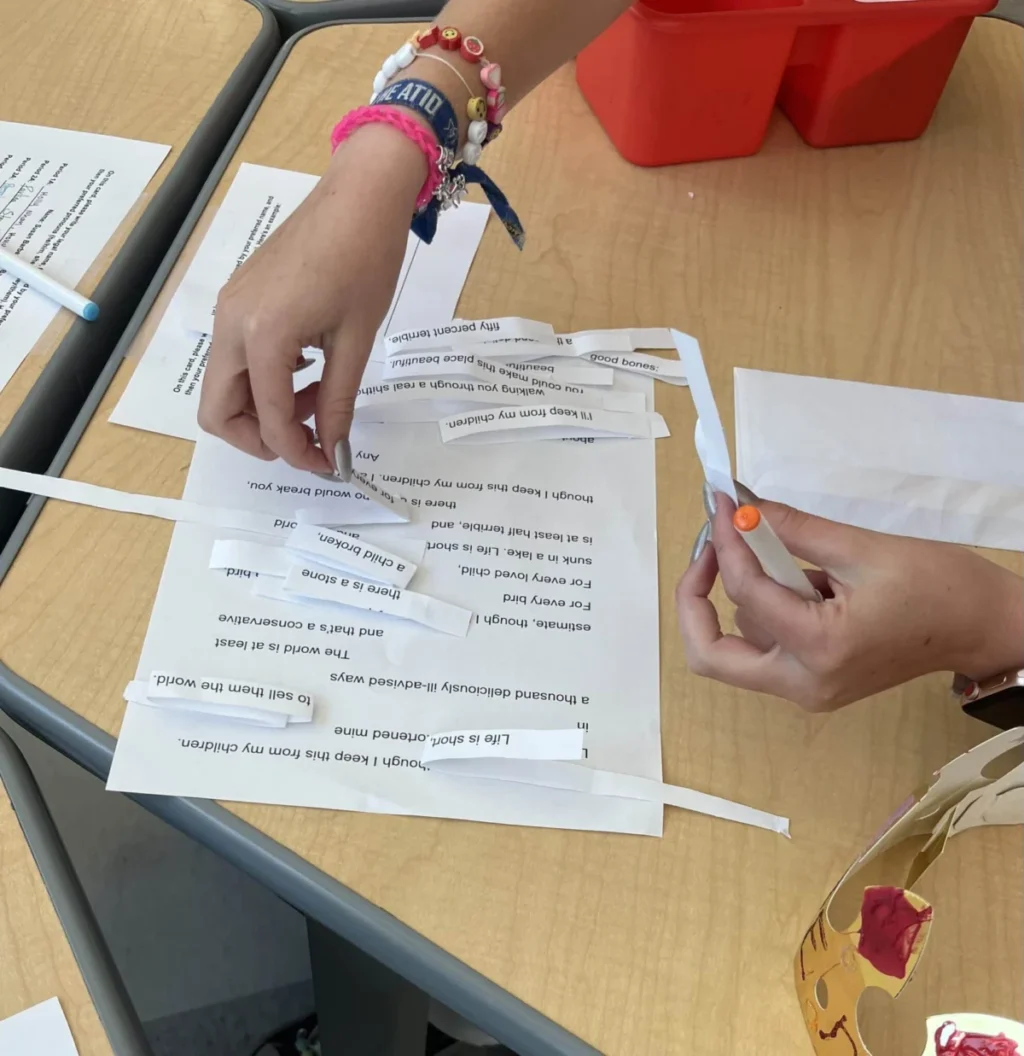
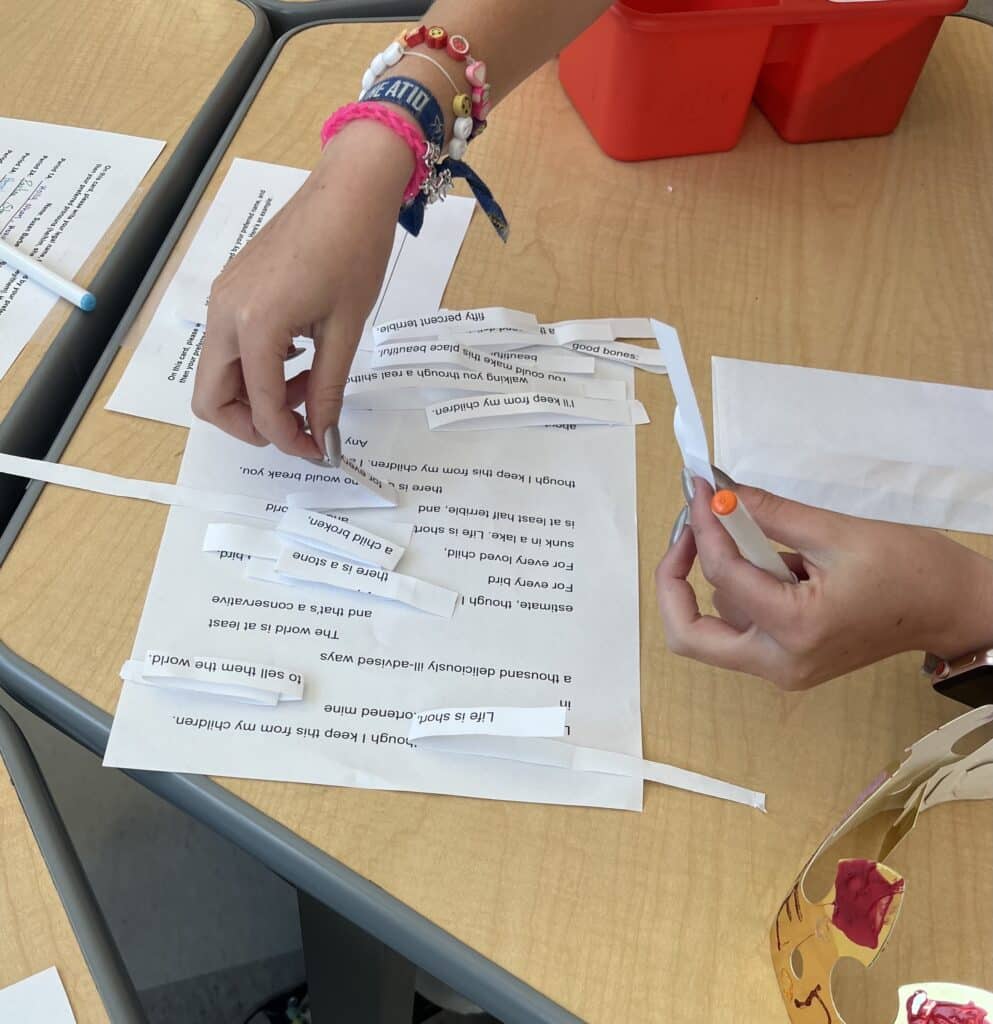
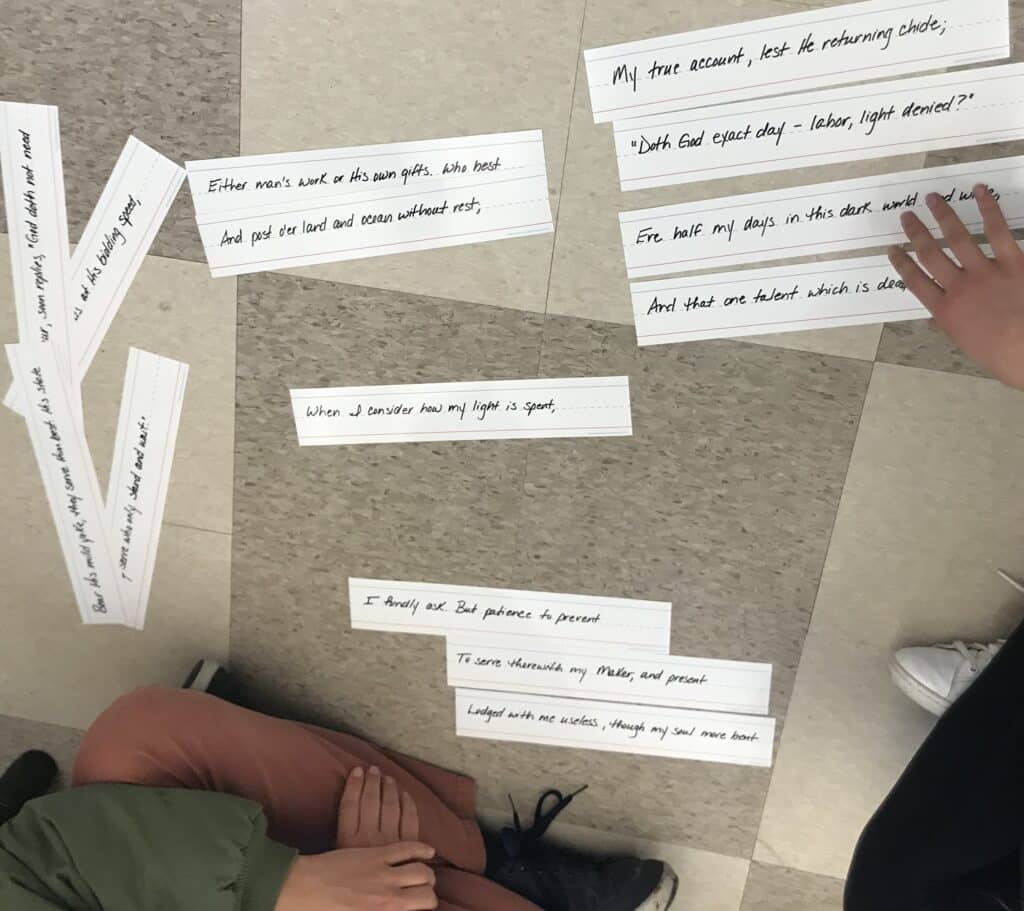
One of the most innovative approaches to poetic analysis introduced by Sztabnik and Barber is "Cutting Up Poems." This lesson transforms the often-intimidating task of close reading into an engaging, puzzle-like activity. Students are provided with a poem that has been meticulously cut into strips, each containing individual words, phrases, or lines. Their primary task is to reconstruct the poem, arranging the strips in what they believe to be the original order. Following this reconstruction, students annotate their version, explaining their choices and identifying literary devices or thematic elements. Finally, they compare their reconstructed poem with the original, reflecting on any discrepancies and the implications of those differences.
As Susan Barber explains, this method is a "teacher trick" that subtly compels students into rigorous analytical thinking. "It’s forcing the students to do a close reading of the poem. If I would have passed out this poem and said, ‘I want you to do a close reading,’ their eyes would be glazed over," she notes. "But with this strategy, they’re having to consider, ‘Does this make sense if it goes here? Well, this is a capital letter, so it may not go in the middle of those sentences, or this is a comma here, that may not fit right there.’ And so students are already thinking about this poem analytically, and having really good discussion. They’re reading closely.” This activity not only hones attention to detail regarding syntax, punctuation, and thematic flow but also fosters collaborative discussion as students justify their structural choices to peers. It demystifies the process of poetic analysis, making it accessible and engaging even for reluctant readers.
Strategy 2: Inferential Timeline – Mapping Narrative and Meaning
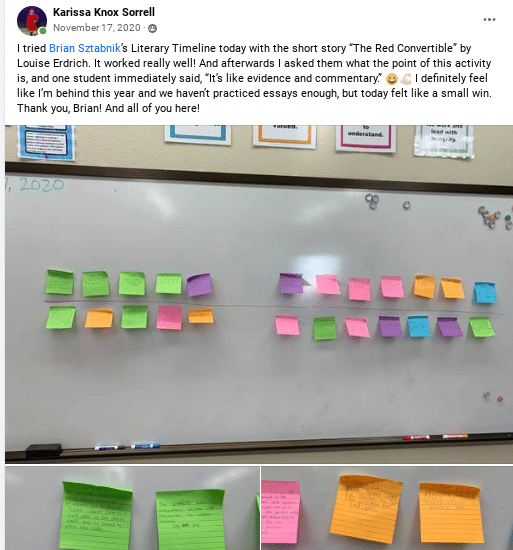
For prose texts, particularly novels, Sztabnik and Barber propose the "Inferential Timeline." This multi-tiered activity engages students in a dynamic exploration of narrative progression and thematic significance. The class is divided, with each student assigned a specific segment of pages from a novel section. On an index card or post-it note, each student identifies the most important event or development within their assigned pages and supports it with a relevant quote from the text. These cards form the top tier of a collaborative timeline displayed prominently in the classroom. This initial step requires students to practice summarization, discerning key plot points, character arcs, or emerging symbols, as Brian Sztabnik highlights: "What I’m really asking is to summarize the plot and boil it down to one or two sentences… this is all about decision-making and cutting out the extraneous details and just focusing on what’s really important."
The second tier of the timeline elevates the cognitive demand. Students then select a classmate’s card from the top row and add a new card underneath it, explaining why that particular moment is significant in the broader context of the narrative. This fosters inferential thinking and the drawing of conclusions, pushing students beyond mere plot recall. Sztabnik describes this as "collaborative without being collaborative physically… collaborative mentally: They have to look at their classmate’s card, determine what happened, and make an inference about why that event was so important in the grand scheme of those chapters. So here’s where we’re getting to the higher level thinking – we can understand the plot; now we need to draw conclusions.” The lesson culminates in a "gallery walk," where students tour the completed timeline, taking notes on their classmates’ inferences, thereby enriching their understanding of the entire section. This strategy not only reinforces comprehension but also strengthens analytical reasoning and the ability to connect granular details to overarching themes.
Strategy 3: Text Rendering – Precision in Interpretation
"Text Rendering" directly addresses a common frustration among ELA teachers: students’ tendency to make broad, generalized interpretations without sufficient textual evidence. This strategy systematically guides students from broad ideas to specific textual support, promoting meticulous reading and evidence-based reasoning. Students begin with a selected passage of text and are tasked with identifying its single most important sentence. From that chosen sentence, they then select the most crucial phrase or clause. Finally, they distill that phrase down to its single most significant word.
This iterative process of narrowing focus forces students to make deliberate choices and articulate their rationale, which they then defend to their peers. Small groups subsequently work together to synthesize their individual "renderings" and draw collective conclusions about the passage’s meaning. Susan Barber developed this lesson precisely to tackle the challenge of vague textual analysis. "I have trouble every year getting students to narrow their focus when they’re making meaning from the text," she explains. "They talk in these really big, general ideas, and I would be like, ‘Where did this come from?’ And they’re like, ‘You know, it’s just there.’ It has to come from someplace specific in the text. I had to find some activity to get them to take the big ideas to the small.” Text Rendering cultivates the essential skill of deriving meaning directly from the text, linking abstract concepts to concrete linguistic evidence, and refining students’ ability to articulate precise interpretations.
Broader Implications for Contemporary Education
The strategies presented by Sztabnik and Barber hold significant implications for the future of ELA instruction and education at large. Their emphasis on low-tech, highly interactive methods demonstrates that pedagogical innovation does not always necessitate expensive digital tools or complex software. In an educational landscape often pressured to adopt the latest technologies, these strategies offer a refreshing reminder of the power of fundamental, student-centered approaches.
Furthermore, these lessons align with modern educational trends advocating for deeper learning, critical thinking, and student agency. A 2023 report by the National Council of Teachers of English (NCTE) underscored the critical need for pedagogical approaches that foster genuine engagement and critical inquiry in ELA classrooms, moving beyond rote memorization or superficial analysis. By actively involving students in the construction of meaning, these strategies not only combat boredom but also cultivate essential cognitive skills that extend far beyond the ELA classroom. They empower students to become active participants in their learning, fostering intellectual curiosity and a more profound connection to the texts they study.
The collaborative nature of these activities, even in their "mentally collaborative" forms, also addresses the need for social learning and peer interaction, which are vital for developing communication and interpersonal skills. The "100% Engagement" framework serves as a testament to the power of teacher-led innovation, demonstrating how experienced educators, attuned to the needs of their students and peers, can develop highly effective and accessible solutions to pervasive classroom challenges.
Cultivating a Professional Learning Community
Beyond the book itself, Sztabnik and Barber continue to foster a vibrant professional learning community. They maintain the "Much Ado About Teaching" blog and have established a dedicated Facebook group, "100% Engagement," where teachers can connect, share experiences, and learn from one another as they implement these strategies. These platforms serve as vital hubs for ongoing professional development, allowing educators to share best practices, troubleshoot challenges, and collectively refine instructional techniques—a model increasingly recognized for its effectiveness in supporting continuous teacher growth.
In an era where student engagement is more crucial than ever, the work of Brian Sztabnik and Susan Barber offers a compelling blueprint for transforming ELA classrooms. By embracing active, low-tech, and thoughtfully designed pedagogical approaches, educators can move beyond the specter of "glazed eyes" and cultivate environments where students are not just present, but truly engaged in the profound journey of textual discovery and critical thought.