


Historians and marine archaeologists have officially resolved a mystery that has spanned nearly three decades, identifying a shipwreck discovered off the southern coast of England in 1995 as the Dom van Keulen, a Dutch merchant vessel that foundered in 1633. The vessel, which was transporting a massive cargo of gold and exotic goods from Morocco to the Netherlands, has been the subject of intense scholarly investigation since its initial discovery near the coastal town of Salcombe. The resolution of this historical puzzle, facilitated by extensive archival research and archaeological analysis, is detailed in the newly published volume, From Morocco to the Coast of England: The Story of the Dom van Keulen and its Remarkable Cargo.
The identification marks a significant milestone in maritime archaeology, providing a definitive link between a physical site on the seabed and the 17th-century global trade networks that connected North Africa, the Low Countries, and the British Isles. For thirty years, the site was known colloquially as the "Salcombe Cannon Wreck" or the "Salcombe Gold Wreck," but the specific identity of the ship remained elusive until historian Ian Friel uncovered corroborating documents within the United Kingdom’s National Archives. These records provided the crucial narrative of the ship’s final, ill-fated voyage, allowing researchers to piece together the events of late 1633.
The Final Voyage: A Chronology of Disaster
The Dom van Keulen set sail from the Barbary Coast—modern-day Morocco—in the autumn of 1633. It was a period of peak activity for the Dutch maritime empire, which at the time maintained a global trading presence spanning five continents. The ship was heavily laden with high-value commodities intended for the markets of the Netherlands, a nation then in the midst of its "Golden Age."
According to the archival evidence recovered by Friel, the voyage was plagued by misfortune almost from the outset. The ship encountered what contemporary reports described as "much tempestuous weather" while navigating the treacherous waters of the English Channel. The physical toll of the storms caused the vessel to spring a significant leak. Despite the efforts of the crew to keep the ship afloat, the structural integrity of the Dom van Keulen failed as it neared the Devon coastline.
The ship eventually struck the seabed near Salcombe, approximately 30 miles southwest of Plymouth. In a rare positive outcome for 17th-century maritime disasters, historical records indicate that the entire crew survived the sinking. Furthermore, because the ship went down in relatively shallow waters close to the shore, a substantial portion of the cargo was likely salvaged by contemporary divers and local residents shortly after the event. However, the remnants that escaped 17th-century recovery efforts remained hidden beneath the sediment for over 360 years.
The 1995 Discovery and Archaeological Significance
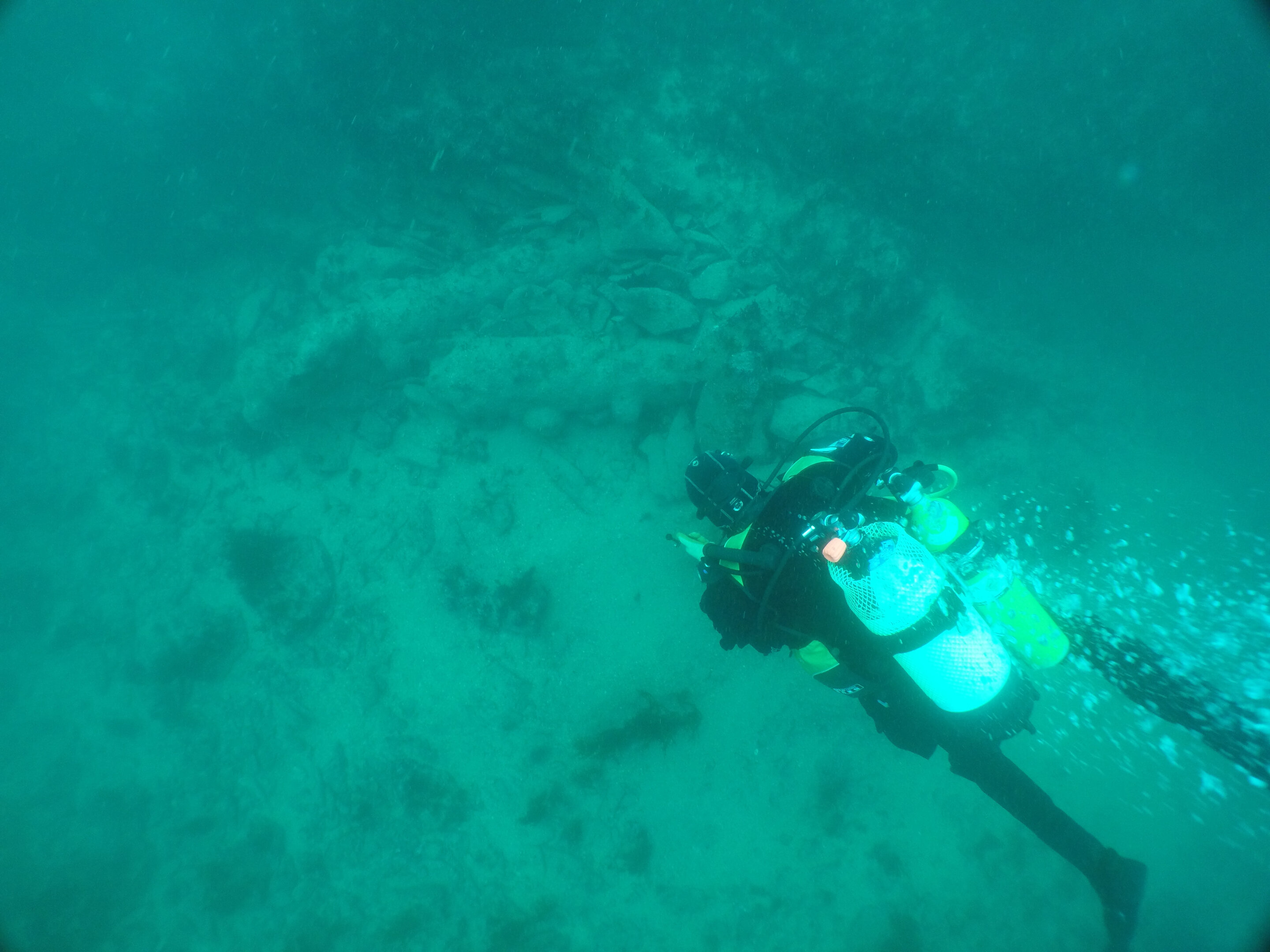
The wreck site remained undisturbed until 1995, when a team from the South West Maritime Archaeology Group (SWMAG) located the debris field. The site is situated approximately 60 feet below the surface and extends across a 98-foot-long stretch of the seabed. Initial dives revealed a scattered array of heavy armaments, including cannons and anchors, which had served as the ship’s primary defense and stabilization.
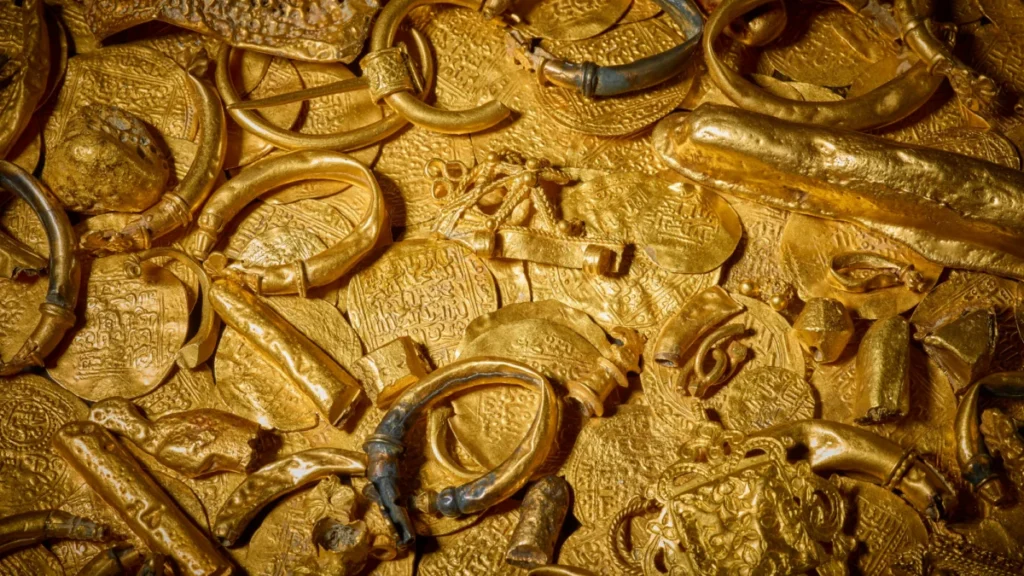
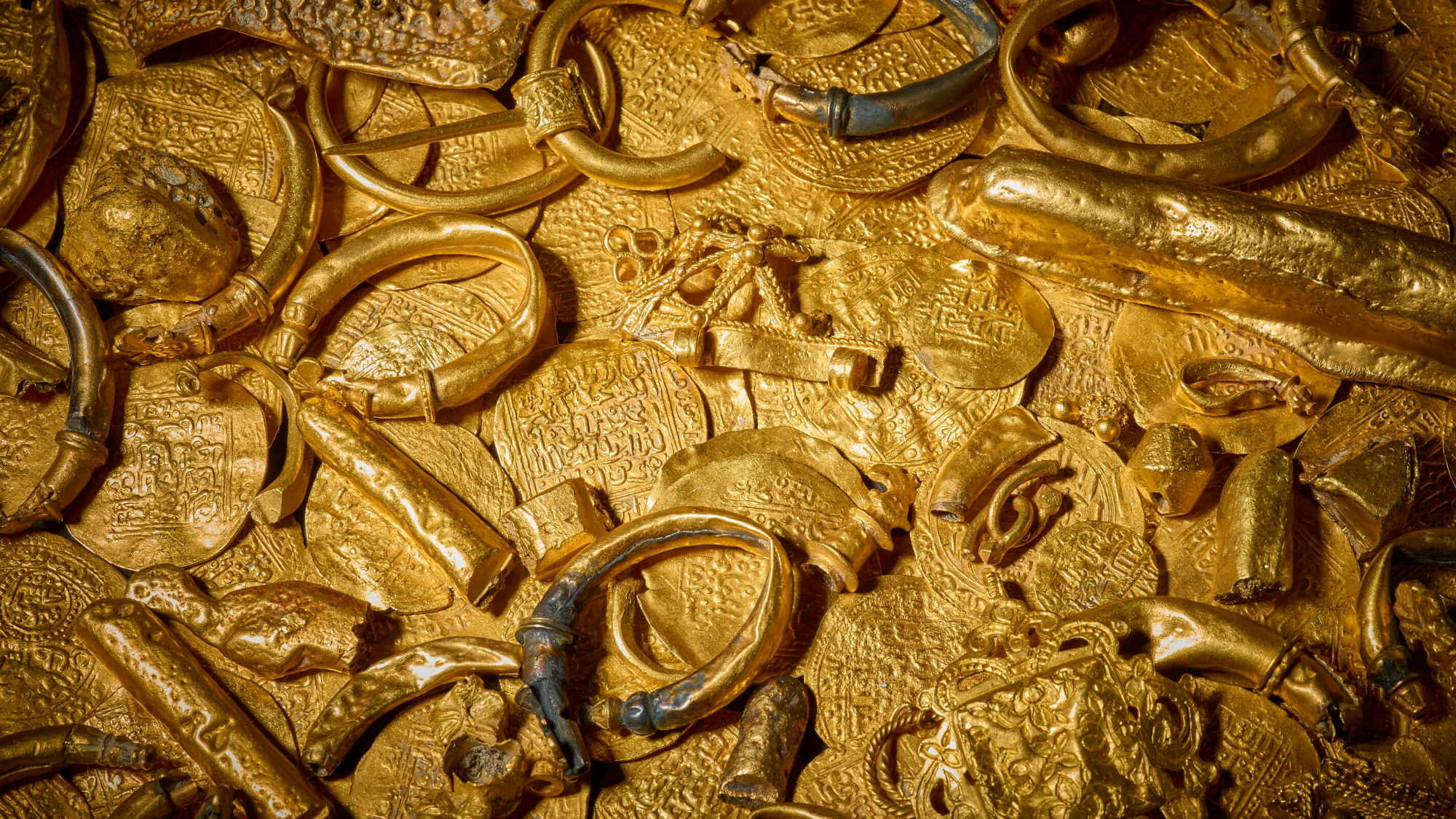
Among the most sensational finds during the initial 1995 recovery were approximately 400 gold coins. These coins, along with various items of jewelry and personal effects, offered the first clues to the ship’s origins and its connection to North African trade. The discovery of gold in such quantities off the coast of Devon was unprecedented and immediately categorized the site as one of international importance.
Dave Parham, a marine archaeologist at Bournemouth University and co-editor of the new book, noted that the site remains littered with smaller items of cargo and ship equipment. The archaeological assemblage includes a pewter bowl and spoon, a stamp seal, and a unique ceramic sounding weight shaped like a pilchard—a small fish common to the region. These artifacts provide a domestic perspective on life aboard a 17th-century merchantman, contrasting with the high-value commercial cargo.
Analysis of the Cargo: Gold, Gums, and Gunpowder
The manifest of the Dom van Keulen, as reconstructed from archival sources and archaeological finds, reveals the strategic nature of Dutch-Moroccan trade. The ship was a floating warehouse of essential and luxury goods. Key components of the cargo included:
- 9,000 Gold Coins: This included Barbary ducats and other Moroccan gold coins. While 400 were recovered in the 1990s, the original manifest suggests a much larger shipment was present.
- 150 Bags of Gum Arabic: A resin harvested from acacia trees, gum arabic was a vital commodity used as a thickening agent in textiles, inks, and food products.
- 64 Bags of Saltpeter: A key ingredient in the manufacture of gunpowder, making this a cargo of military as well as commercial significance.
- 320 Goat Skins: High-quality leather from North Africa was in high demand for the European garment and bookbinding industries.
The gold coins are of particular interest to historians. During the 16th and 17th centuries, the Sa’dian Sharifs—the Arab dynasty ruling Morocco from 1549 to 1659—controlled the flow of pure West African gold. Dutch merchants traded manufactured European goods for this gold, which was then transported to the Netherlands to be melted down and minted into Dutch currency. This process helped establish the Dutch guilder as a dominant global trade currency.
Geopolitical Context and the Dutch Maritime Empire
The sinking of the Dom van Keulen occurred at a time when the Dutch Republic was the world’s leading maritime power. The nation’s prosperity was built on a sophisticated network of joint-stock companies, most notably the Dutch East India Company (VOC) and the Dutch West India Company (WIC). While the Dom van Keulen operated outside the strict monopoly of the VOC, it represented the broader entrepreneurial spirit of Dutch merchant families who sought direct trade routes to the Mediterranean and North Africa.
The relationship between the Netherlands and the Sa’dian Sharifs was rooted in mutual economic interest and a shared rivalry with the Spanish Empire. By securing direct access to Moroccan gold and raw materials like saltpeter, the Dutch were able to bypass intermediaries and fuel both their economy and their ongoing military efforts in Europe. The Dom van Keulen serves as a physical manifestation of this "triangular" trade dynamic involving West African resources, Moroccan political power, and Dutch commercial logistics.
Official Reactions and Historical Impact
The formal identification of the ship has been met with acclaim from the heritage and research communities. Jeremy D. Hill, Head of Research at the British Museum—which now houses many of the artifacts from the wreck—emphasized the broader narrative revealed by the find.
"The discovery of African gold from under the sea off the coast of Devon was an amazing discovery that raised so many questions about how it came to be there," Hill stated. "The story can now be told of how a Dutch ship carrying North African gold was wrecked off the English coast, making this a discovery of international importance. It reminds us how much there is still to be found under our seas."
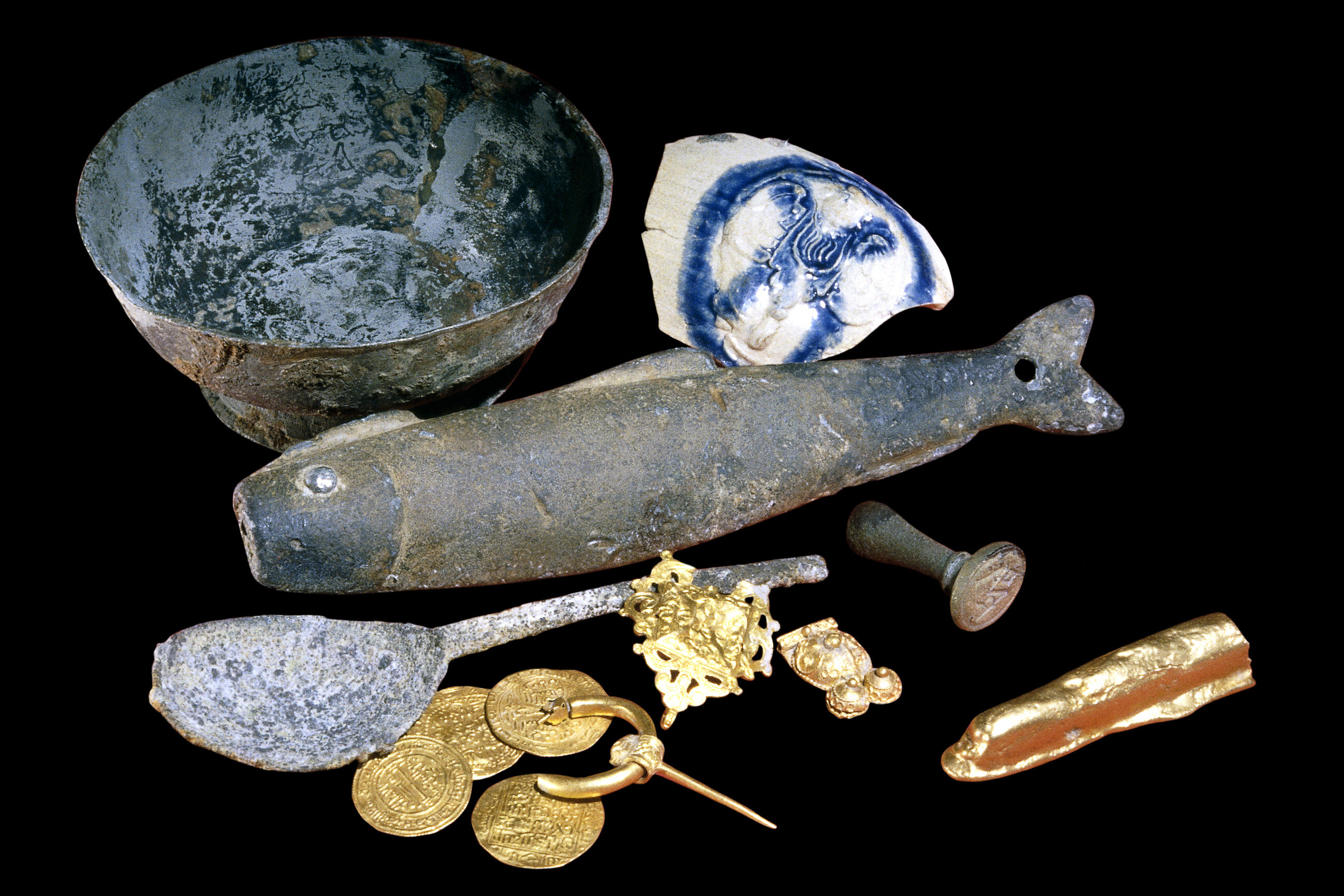
Dave Parham echoed these sentiments, highlighting how the coins and artifacts provide "important context for the wealth and architecture of the Sa’dian Sharifs, the trade in African gold, and tangible evidence of the flourishing 17th-century maritime trade linking Morocco, the Low Countries, and Britain."
The identification also provides closure for the South West Maritime Archaeology Group, whose members have spent decades documenting the site without knowing the name of the vessel they were exploring. The transition from an anonymous "treasure wreck" to a documented historical entity allows for a more nuanced interpretation of the site’s preservation and its place in the UK’s maritime heritage record.
Broader Implications for Maritime Archaeology
The case of the Dom van Keulen underscores the critical importance of interdisciplinary research in archaeology. While physical excavation provided the artifacts, it was the "paper archaeology" conducted in the National Archives that provided the ship’s name and its story. This synergy between the seabed and the archives is increasingly seen as the gold standard for historical maritime studies.
Furthermore, the site highlights the ongoing challenges of underwater cultural heritage management. Because the ship was partially salvaged in the 17th century and later impacted by modern treasure hunting and environmental shifts, the Dom van Keulen represents a fragmented but vital record. The British Museum’s acquisition of the primary artifacts ensures that the collection remains in the public domain, available for future scientific analysis.
As researchers continue to study the remaining items at the site, the Dom van Keulen will likely provide further insights into 17th-century navigation, shipboard life, and the early stages of global capitalism. For now, the resolution of its 30-year identity crisis stands as a testament to the persistence of modern historians and the enduring mysteries hidden beneath the waves of the English Channel.