
The landscape of generative artificial intelligence has undergone a rapid transformation since late 2022, transitioning from a niche experimental field into a cornerstone of modern digital productivity. Among the primary contenders in this space, Anthropic’s Claude has emerged as a specialized tool favored for its nuanced reasoning, sophisticated coding capabilities, and a unique approach to safety known as "Constitutional AI." While competitors like OpenAI’s ChatGPT and Google’s Gemini have focused on broad multimodal integration and consumer-facing creative tools, Anthropic has carved out a significant market share by prioritizing high-fidelity text analysis and technical precision. As of 2024, Claude represents a sophisticated ecosystem available across web interfaces, desktop applications for Windows and macOS, and mobile platforms including iOS and Android.
The Evolution of Anthropic and the Claude Ecosystem
To understand the current capabilities of Claude, it is essential to examine the trajectory of its developer, Anthropic. Founded in 2021 by former executives from OpenAI—including siblings Dario and Daniela Amodei—Anthropic was established as a Public Benefit Corporation with a primary focus on AI safety and reliability. The company’s philosophy centers on the idea that AI should be helpful, honest, and harmless, a principle enforced through a "Constitution" that guides the model’s behavior during training.
The development of the Claude family of models has been marked by several significant milestones. The initial release of Claude 1 in early 2023 was followed quickly by Claude 2 in July of that year, which introduced a then-unprecedented context window of 100,000 tokens. By March 2024, Anthropic launched the Claude 3 family, consisting of three models: Haiku (optimized for speed), Sonnet (the balanced mid-tier), and Opus (the high-intelligence flagship). The subsequent release of Claude 3.5 Sonnet in June 2024 set new industry benchmarks, with many developers and data scientists reporting that it outperformed GPT-4o in complex coding tasks and nuanced linguistic reasoning.
Deep Research and Autonomous Information Retrieval
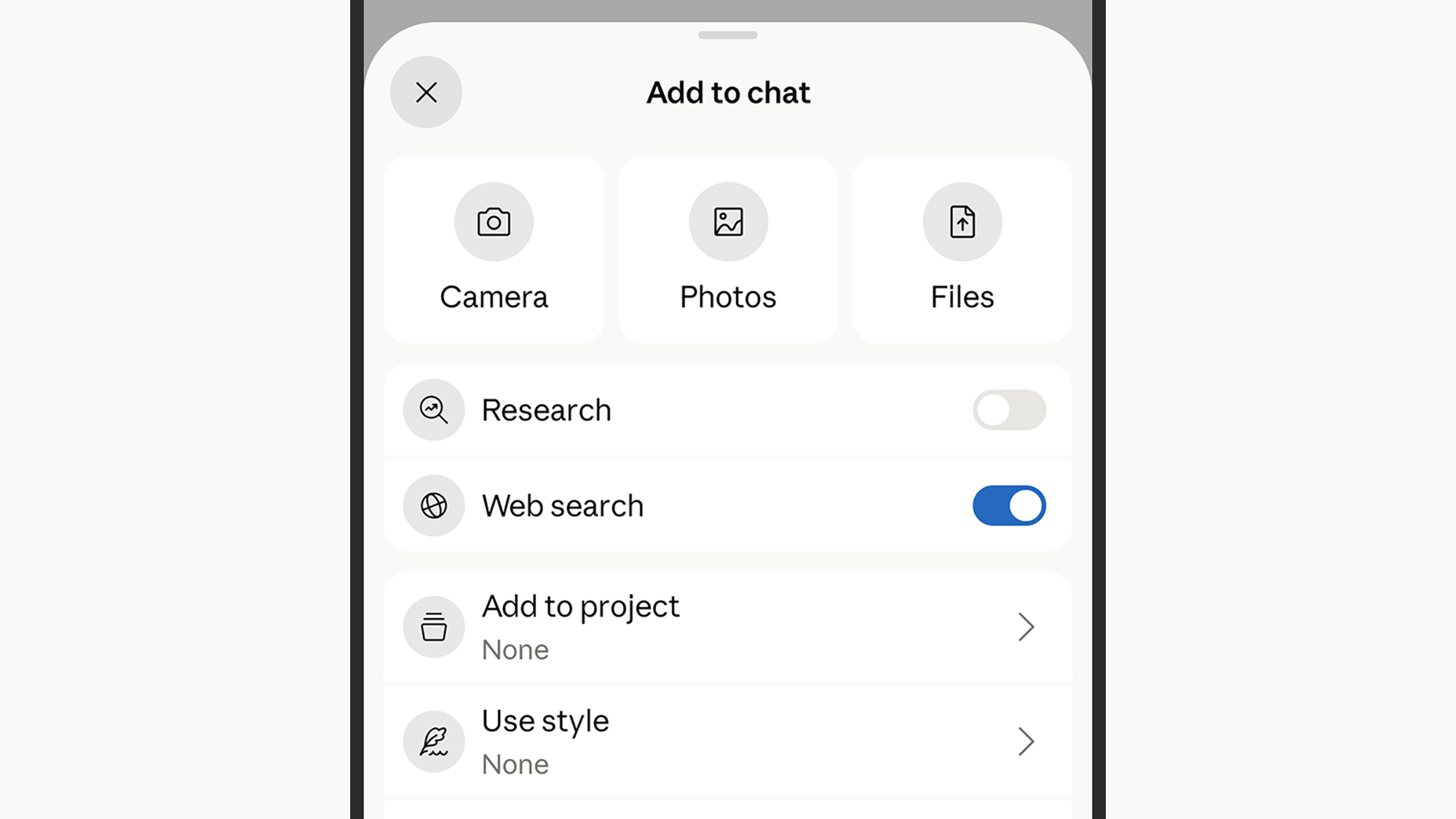
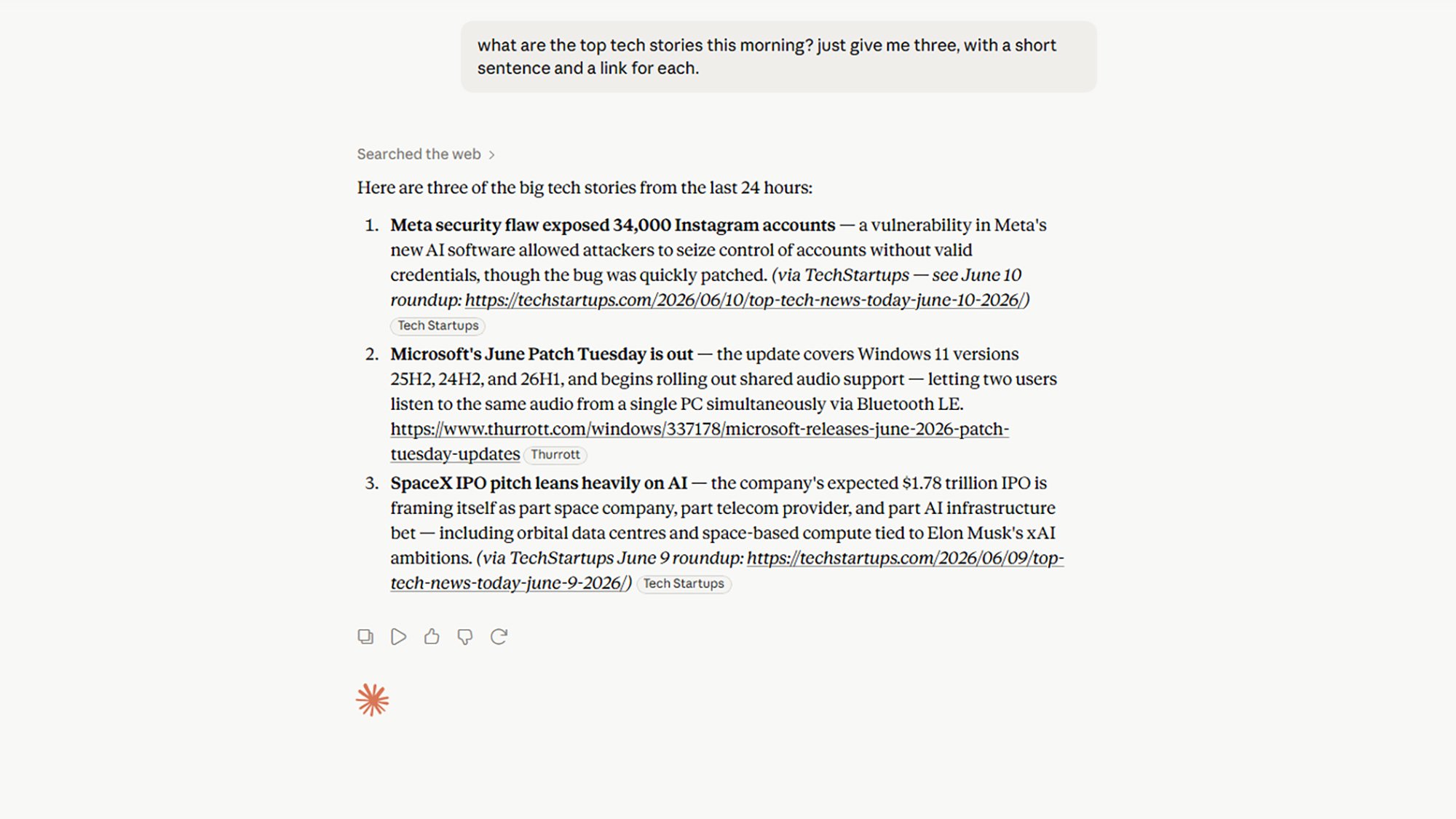
One of the most significant advancements in the Claude interface is the introduction of "Research" mode. This feature, primarily available to subscribers of the Pro and Team plans, represents a shift from simple prompt-response interactions toward agentic workflows. When Research mode is toggled on, the AI does not merely rely on its internal training data; instead, it performs iterative web searches to gather current information.
This capability is designed for users who require comprehensive reports on rapidly changing industries, such as the semiconductor market or global geopolitical shifts. Unlike standard search-enabled AI, Claude’s research mode synthesizes multiple sources into a structured document, complete with citations. This allows for a level of verification that is often missing in generative AI, addressing the persistent issue of "hallucinations" by grounding the output in verifiable online data. Analysts suggest that this move is a direct response to the "Perplexity" model of AI-driven search, aiming to keep users within the Anthropic ecosystem for deep-dive intellectual work.
Visualizations and the Artifacts Interface
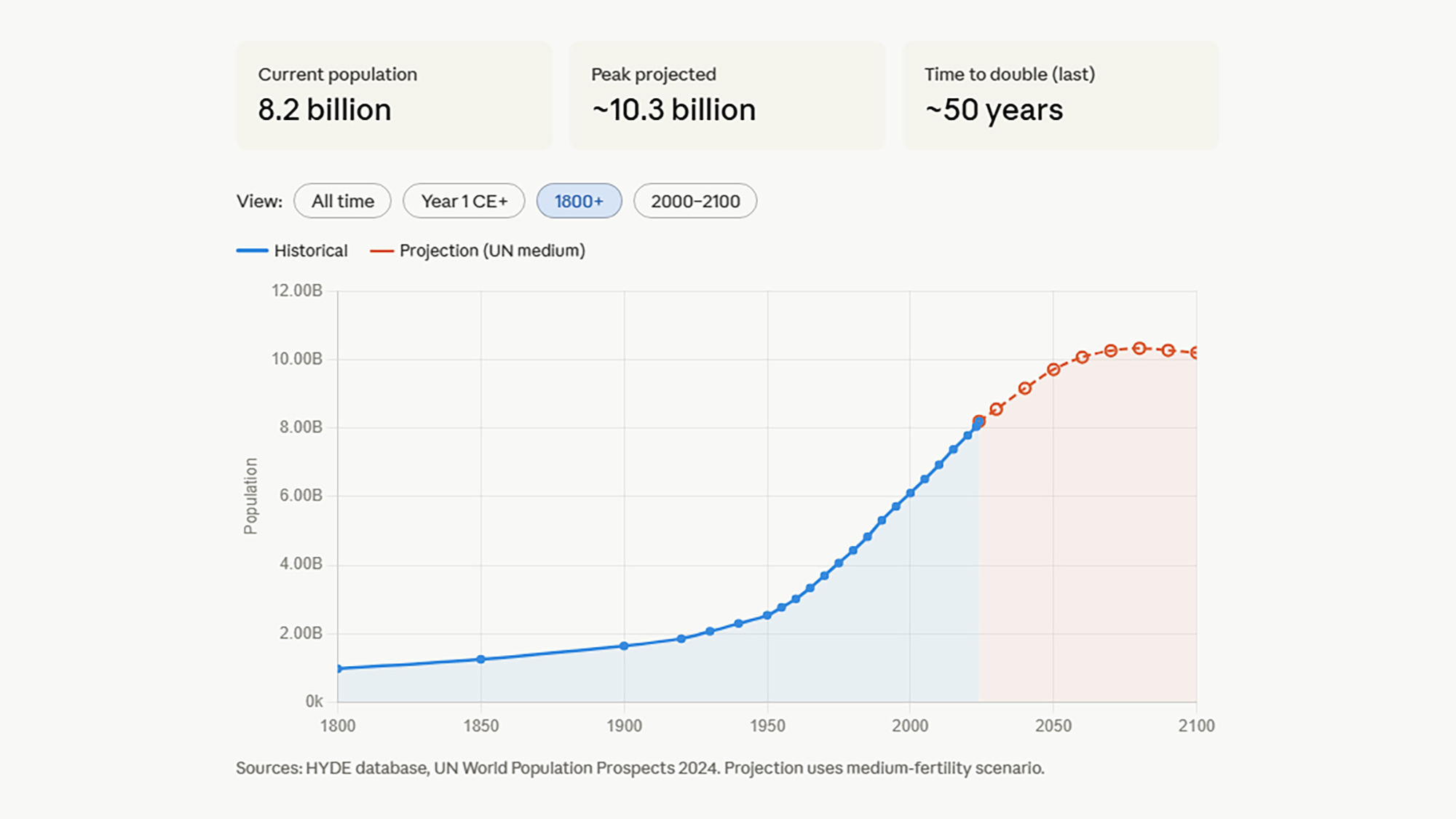
While Claude does not currently offer a native text-to-image generation tool similar to DALL-E 3 or Midjourney, it has pioneered a different form of visual communication through its "Artifacts" feature. When a user asks Claude to generate code, a website mockup, a diagram, or a data visualization, the AI opens a dedicated window alongside the chat interface.
This side-by-side view allows users to see real-time renderings of Mermaid diagrams, React components, and SVG graphics. For instance, a user can request an interactive chart of global population trends or a complex flowchart of a biological process, and Claude will render a functional visualization that can be edited and refined through further conversation. This focus on functional and technical visuals over artistic imagery underscores Anthropic’s positioning as a tool for professional and academic environments.
Integration and the Growing Connector Ecosystem
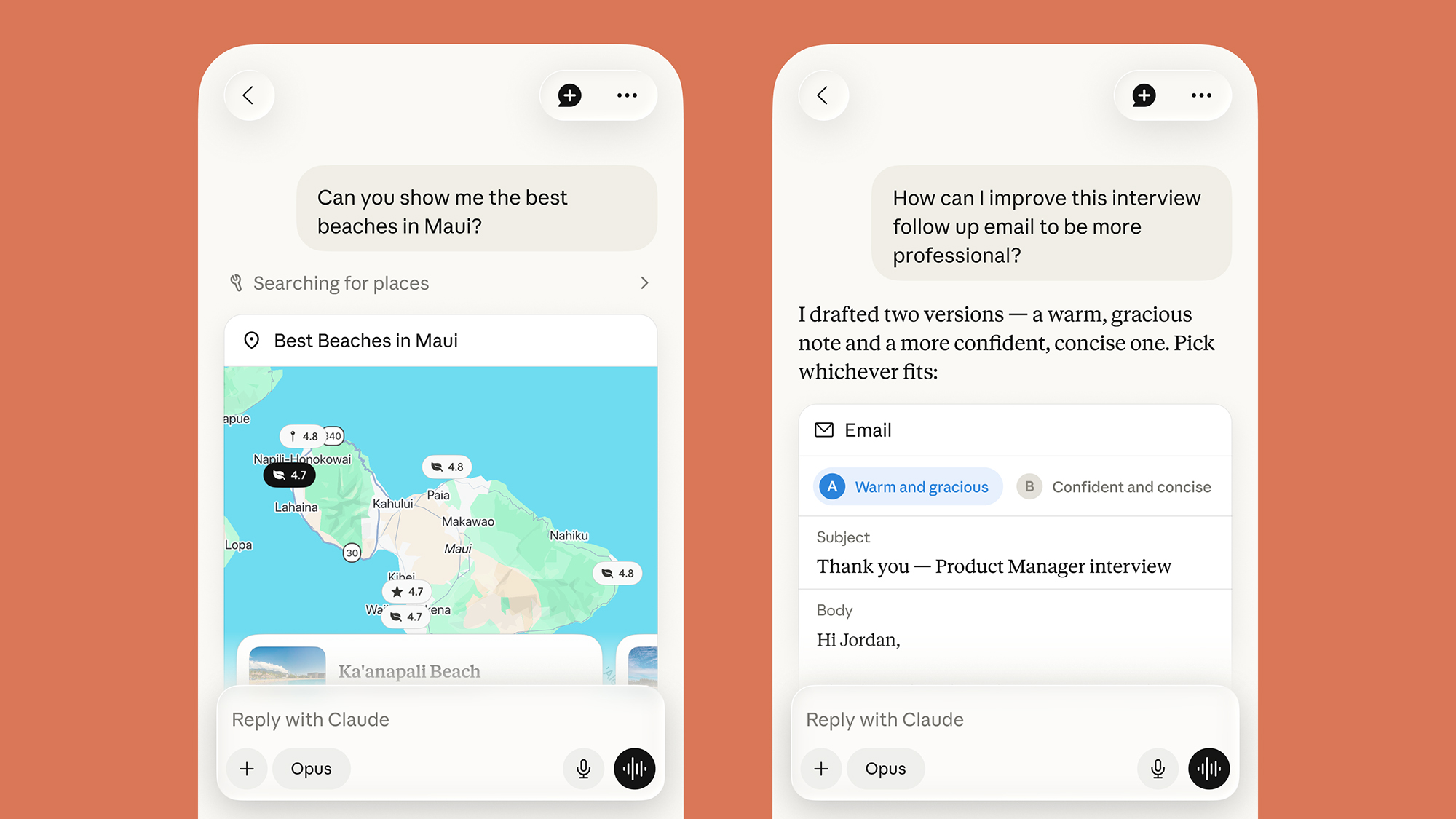
The utility of a Large Language Model (LLM) is increasingly defined by its ability to interact with external data sources. Anthropic has addressed this through "Connectors," which allow Claude to plug into third-party applications. This feature enables a more seamless workflow where the AI can access a user’s Gmail to summarize threads, organize information, or even draft responses based on specific context.
Furthermore, the integration with platforms like Spotify demonstrates the model’s versatility in handling structured data for personal use, such as generating and exporting playlists. In a corporate setting, these connectors are vital for "Retrieval-Augmented Generation" (RAG), where the AI analyzes a company’s internal documentation to provide answers that are specific to that organization’s proprietary knowledge.
Multimodal Capabilities: Vision and Voice
Despite its reputation as a text-centric model, Claude possesses robust multimodal capabilities. On mobile devices, the "Camera" function allows users to upload images for real-time analysis. This is particularly useful for practical tasks such as identifying flora, translating signage in foreign environments, or interpreting complex technical manuals. The model’s ability to extract and analyze text from images—known as Optical Character Recognition (OCR)—is currently ranked among the best in the industry, making it a powerful tool for digitizing analog information.
Parallel to its visual capabilities is the "Voice Mode." Unlike simple text-to-speech, this feature allows for a low-latency, bidirectional conversation. Users can engage with the AI hands-free, which is advantageous for brainstorming during a commute or receiving step-by-step instructions while performing physical tasks. This development mirrors the industry-wide push toward "Omni" models that can process and generate text, audio, and visual data simultaneously.
Comparative Data and Industry Performance
The competitive edge of Claude is often cited in its technical benchmarks. According to data released during the launch of Claude 3.5 Sonnet, the model showed a marked improvement over its predecessors and rivals in several key areas:
- Graduate-Level Reasoning (GPQA): Claude 3.5 Sonnet achieved a score of 59.4%, outperforming GPT-4o’s 53.6%.
- Coding (HumanEval): In Python coding tasks, the model scored 92.0%, making it one of the most reliable tools for software engineering.
- Multilingual Math (MGSM): The model demonstrated superior performance in solving mathematical problems across various languages, a testament to its broad linguistic training.
These metrics are supported by a massive 200,000-token context window, which allows users to upload entire books or large codebases for analysis in a single session. This capability is crucial for legal professionals and researchers who must synthesize vast amounts of text without the model losing track of earlier information.
Ethical Considerations and Environmental Impact
As with all major AI platforms, the rise of Claude brings significant ethical and environmental questions. LLMs are notorious for their high energy consumption. Research suggests that a single query to a sophisticated AI model can use ten times the electricity of a standard Google search. Anthropic has acknowledged these challenges, though the industry as a whole remains under pressure to move toward more sustainable computing practices and carbon-neutral data centers.
Furthermore, the ethics of data scraping remain a point of contention. While Anthropic emphasizes its commitment to safety and copyright respect, the training of these models involves the ingestion of massive datasets that often include human-created content. The company has implemented "User Controls" that allow individuals and organizations to opt out of having their data used for model training, a move that has been praised by privacy advocates but remains a complex legal area globally.
Official Responses and Market Positioning
Anthropic’s growth has been fueled by massive capital injections from major tech players. Amazon has invested roughly $4 billion into the company, while Google has committed $2 billion. These partnerships have ensured that Claude is deeply integrated into cloud infrastructures like Amazon Web Services (AWS) via the Bedrock platform.
In official statements, Anthropic CEO Dario Amodei has emphasized that the goal is not just to build the "smartest" AI, but the most "steerable" and "safe." This focus has led to high adoption rates in highly regulated sectors such as healthcare, finance, and legal services, where the cost of a mistake or a data breach is exceptionally high.
Future Implications for the AI Productivity Suite
The trajectory of Claude suggests a future where AI is not just a chatbot but a comprehensive workspace. The ability to create downloadable files—such as PDFs, Word documents, and Excel spreadsheets—directly within the interface marks a significant evolution in the user experience. Instead of the AI merely telling a user how to perform a task, the AI performs the task and delivers the finished product.
As Anthropic continues to refine its models, the focus is expected to shift toward even more autonomous "agents" capable of executing multi-step projects with minimal human intervention. While this raises concerns regarding the displacement of certain administrative and technical roles, proponents argue that it will free human workers to focus on higher-level strategy and creative problem-solving.
Claude’s current feature set—from its advanced research capabilities to its interactive artifacts—positions it as a sophisticated tool for the modern professional. By balancing high-performance technical specs with a rigorous focus on safety and usability, Anthropic has ensured that Claude remains a central figure in the ongoing AI revolution. As the technology matures, the distinction between "using AI" and "collaborating with AI" will likely continue to blur, with Claude leading the way in professional-grade generative assistance.