


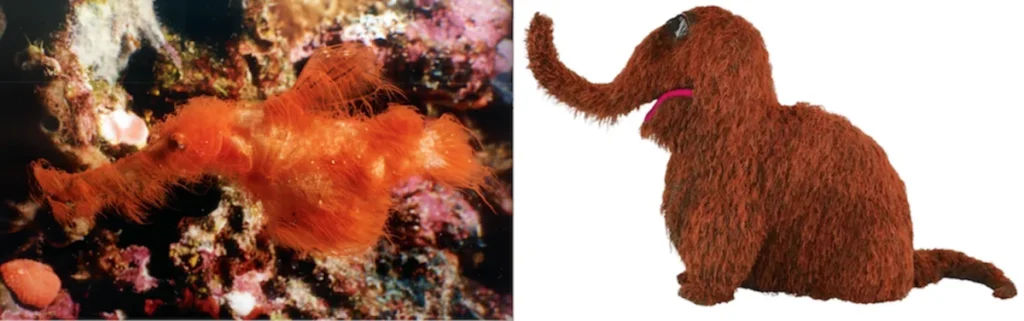
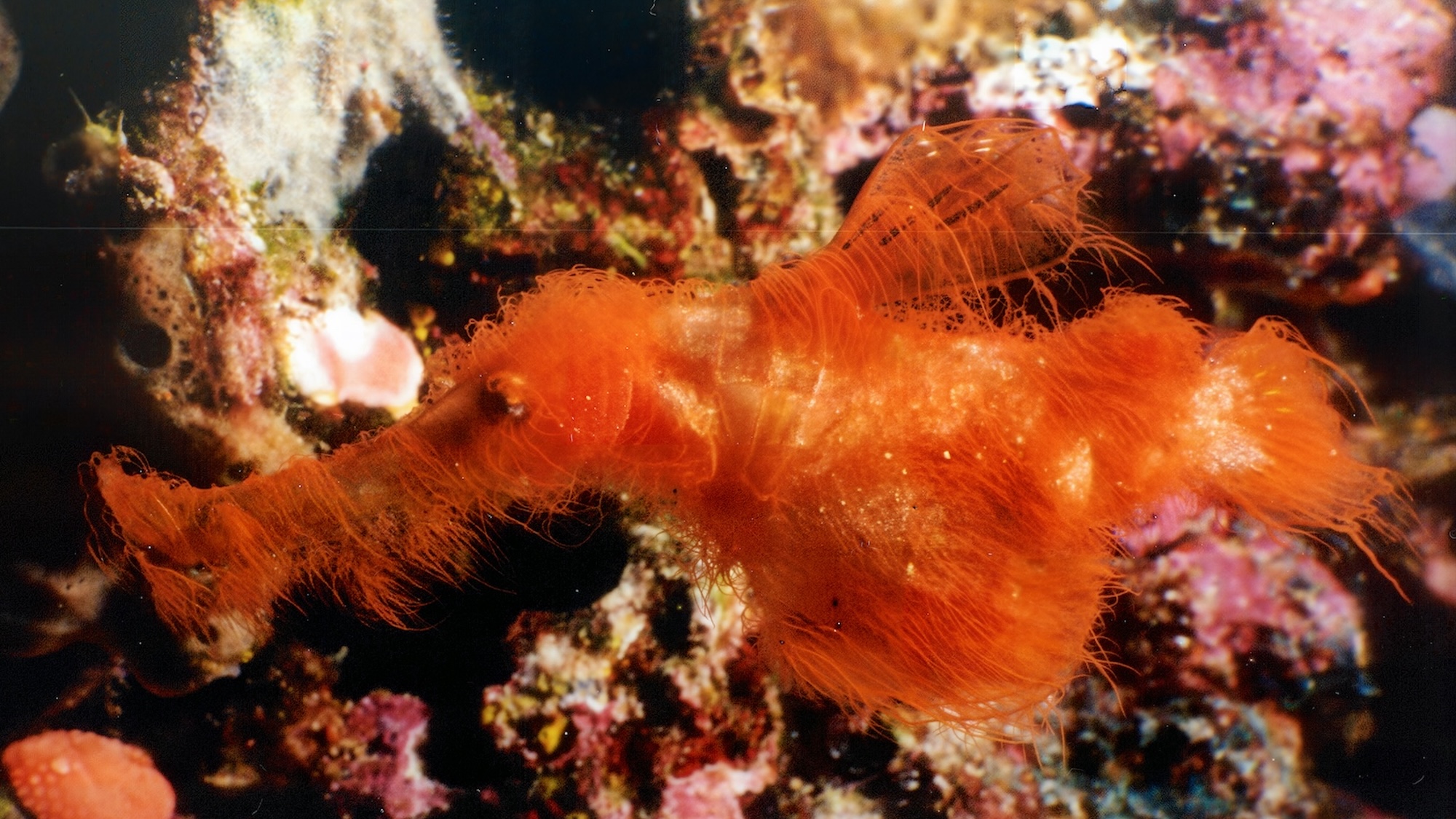
The formal identification and classification of a new marine species, Solenostomus snuffleupagus, marks the conclusion of a two-decade-long scientific quest led by marine biologist David Harasti. Recently described in the Journal of Fish Biology, this unique member of the ghost pipefish family has captured global attention not only for its cryptic nature but for its uncanny resemblance to the beloved Sesame Street character, Mr. Snuffleupagus. The species, characterized by its vibrant reddish-orange hues and a dense covering of hair-like filaments, represents a significant addition to the biodiversity records of the Indo-Pacific region and the Great Barrier Reef.
The discovery highlights the challenges of documenting "cryptic" species—organisms that are difficult to find due to their small size, specialized habitats, or advanced camouflage. For Harasti and his research partner, Graham Short, the journey to official recognition required years of patience, precise underwater navigation, and a rare collaboration with the legal and educational teams at Sesame Workshop to secure a name that bridges the gap between taxonomic science and popular culture.
Taxonomic Classification and Biological Characteristics
The hairy ghost pipefish belongs to the family Solenostomidae, a group of tropical marine fishes closely related to seahorses and true pipefish (Syngnathidae). Unlike seahorses, where the male carries the developing embryos in a specialized pouch, ghost pipefish exhibit a different reproductive strategy: the female uses her enlarged pelvic fins to form a brood pouch where she carries the eggs until they hatch.
Solenostomus snuffleupagus is distinguished from its relatives by several key morphological features. Most notably, it is described as the "shaggiest" of all known ghost pipefish. Its body is covered in long, branched dermal filaments that serve a dual purpose. First, they break up the fish’s silhouette, allowing it to blend seamlessly into the macroalgae and coral rubble of its environment. Second, these filaments mimic the appearance of hydroids or filamentous algae, providing a near-perfect defense against predators.
The coloration of the species is highly variable but predominantly features shades of bright red, orange, and occasionally green. These colors are not merely aesthetic; they correspond to the specific types of reef flora found in the Indo-Pacific, where the fish resides. The elongated snout, a hallmark of the Solenostomus genus, is particularly pronounced in this species, further enhancing its resemblance to the trunk of the fictional pachyderm-like Muppet.
A Chronology of Discovery: From 2001 to 2024
The timeline of the discovery of S. snuffleupagus spans more than 20 years, illustrating the persistence required in modern marine biology.
The Initial Encounter (2001)
The story began in 2001 during a research dive off the coast of Papua New Guinea. David Harasti, an experienced marine biologist and diver, encountered a small, fuzzy creature hovering near a coral outcrop. At the time, Harasti was using a traditional film camera, capturing only a few frames of the elusive animal. Upon returning to shore and consulting extensive ichthyological catalogs, he found no record of a species matching the creature’s description. While he suspected he had found something new, the lack of a physical specimen (a holotype) meant the discovery could not yet be formalized.
The Decades of Speculation (2002–2019)
Following the 2001 sighting, rumors of "hairy pipefish" circulated within the professional diving and underwater photography communities. Occasional photographs surfaced from various locations across the Coral Triangle, but the fish remained a "ghost" in more than just name. Because these animals are small—usually less than 10 centimeters in length—and reside in complex reef environments, they are notoriously difficult to track. Without a collected specimen to undergo DNA sequencing and skeletal analysis, the species remained a scientific mystery.
The Rediscovery in Northern Australia (2020)
The breakthrough occurred in 2020 when reports emerged of a sighting near Cairns, a gateway to Australia’s Great Barrier Reef. Harasti teamed up with Graham Short, a renowned expert in syngnathid taxonomy, to launch a targeted search. After several days of intensive surveying through beds of macroalgae, the pair successfully located and collected a male and female pair. This provided the necessary biological material to conduct a comprehensive comparative study against other known species, such as Solenostomus cyanopterus (the robust ghost pipefish) and Solenostomus paradoxus (the ornate ghost pipefish).
Formal Description and Publication (2024–2025)
After years of morphological measurements, genetic testing, and peer review, the findings were published in the Journal of Fish Biology. The study confirmed that the "hairy" variations were not merely a regional color morph or a juvenile stage of an existing species, but a distinct taxonomic entity.
The Cultural Significance of the Name
The decision to name the species after Mr. Snuffleupagus was driven by the undeniable physical similarities, particularly the "woolly" appearance and the long, downward-sloping snout. However, naming a species after a trademarked character requires more than just scientific consensus; it requires legal permission.
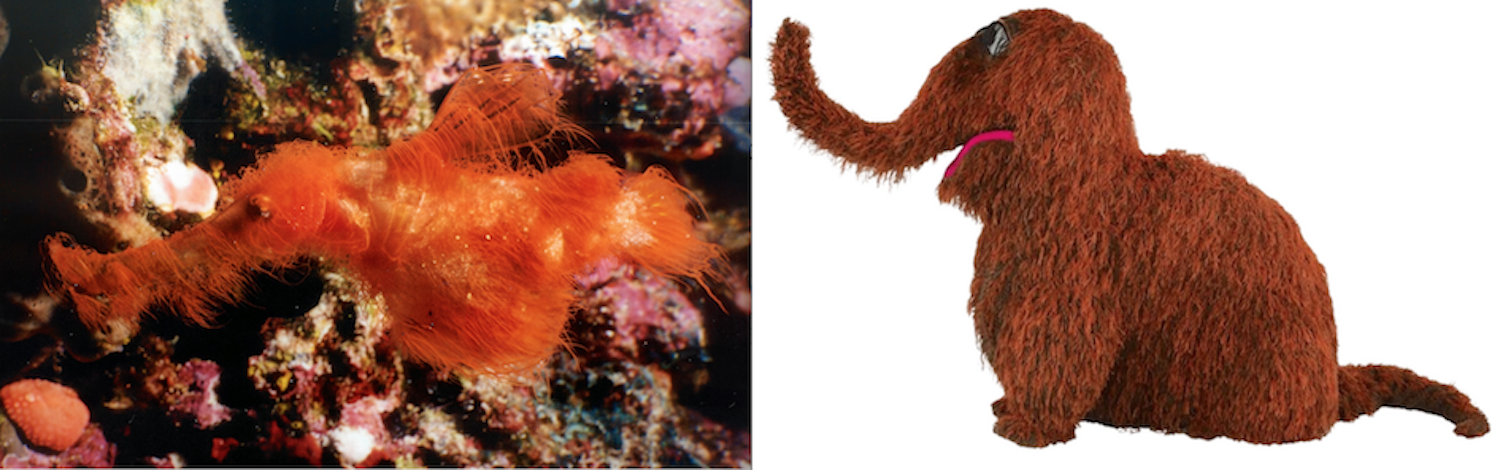
Sesame Workshop, the non-profit organization behind Sesame Street, expressed enthusiasm for the tribute. Rosemarie Truglio, Senior Vice President of Global Education at Sesame Workshop, noted that the naming aligns with the show’s mission to foster curiosity about the natural world. By naming a real-world creature after a character who was famously thought to be "imaginary" for many years on the show, the scientists highlighted a poetic parallel: the hairy ghost pipefish was a creature many believed existed but could not prove until now.
This naming convention follows a tradition in "ethnotaxonomy," where scientists use popular culture to increase public engagement with biodiversity. Similar examples include Aleiodes shakirae (a wasp named after the singer Shakira) and Gronausia nelsonmandelai (a spider named after Nelson Mandela). In the case of S. snuffleupagus, the name serves as an educational tool, making the niche field of ichthyology accessible to a broader audience.
Ecological Role and Habitat
Solenostomus snuffleupagus occupies a very specific ecological niche. It is primarily found in the shallow, nutrient-rich waters of the Indo-Pacific, often associated with reef flats and areas with high macroalgal growth.
As ambush predators, ghost pipefish feed on small crustaceans, such as mysid shrimp. They use their long, tubular snouts to create a vacuum, sucking in prey with incredible speed. Their survival depends almost entirely on their ability to remain undetected. By mimicking the textures of the reef, they avoid the attention of larger predatory fish and cephalopods.
The discovery of a new species in the Great Barrier Reef is particularly significant given the environmental pressures facing the region. Climate change, ocean acidification, and coral bleaching have altered the architecture of reef systems. The fact that a specialized species like the hairy ghost pipefish continues to thrive in these areas provides researchers with valuable data on how cryptic biodiversity responds to shifting environmental conditions.
Scientific Implications and Future Research
The formal description of Solenostomus snuffleupagus opens new avenues for marine research. One of the primary questions remaining is the extent of the species’ range. While sightings have been confirmed in Papua New Guinea and Australia, it is likely that the fish exists throughout the broader Coral Triangle, including Indonesia and the Philippines.

Furthermore, the genetic data collected by Harasti and Short will contribute to a better understanding of the evolutionary timeline of the Solenostomidae family. Scientists are interested in how these fish developed such extreme camouflage techniques and how their reproductive strategies diverged from their seahorse relatives.
The discovery also underscores the importance of "citizen science." Many of the leads that led to the 2020 collection came from recreational divers and underwater photographers. In an era where professional research funding is often limited, the eyes of the diving community serve as a vital resource for documenting rare and elusive marine life.
Conclusion
The story of Solenostomus snuffleupagus is a testament to the fact that the world’s oceans still hold profound mysteries, even in well-traveled areas like the Great Barrier Reef. It took twenty years of dedication to turn a fleeting glimpse in 2001 into a recognized scientific fact.
As marine environments face unprecedented threats, the documentation of every species—no matter how small or "hairy"—is crucial for conservation efforts. The hairy ghost pipefish now stands as a symbol of discovery, a reminder that with enough patience and a bit of imagination, science can bring the "imaginary" into the light of reality. Through the lens of a childhood icon, the scientific community has not only expanded the catalog of life but has also invited the public to look closer at the intricate, hidden wonders of the undersea world.