


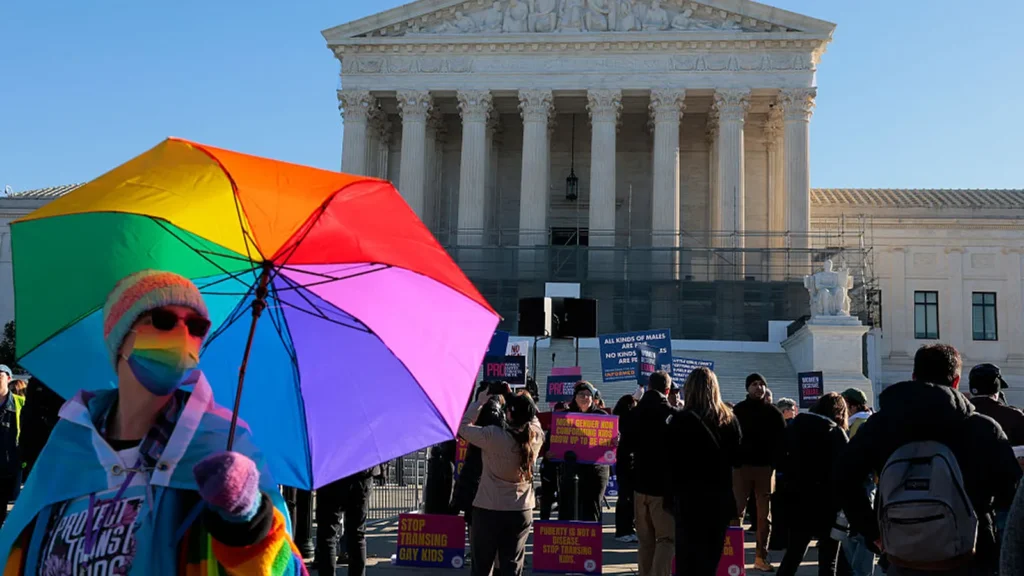
The U.S. Supreme Court issued a landmark decision on Tuesday, June 30, 2026, ruling that schools and colleges can separate girls’ and boys’ sports teams based on "biological sex." This ruling, stemming from a pair of consolidated Title IX cases, represents a significant setback for transgender student inclusion in athletics and resolves a contentious debate that has increasingly polarized states across the nation. The decision directly addresses the complex and often emotionally charged issue of whether transgender students should be allowed to participate in sports that align with their gender identity, as well as related concerns regarding pronoun usage and access to facilities.
Background of the Landmark Ruling
The Supreme Court’s decision arose from a series of legal challenges that have been working their way through the federal court system. At the heart of these cases were questions of how Title IX of the Education Amendments of 1972, which prohibits sex-based discrimination in federally funded education programs, should be interpreted in the context of transgender athletes. For years, there has been a significant divide among states and educational institutions regarding the inclusion of transgender students. Some states have enacted policies that allow transgender students to compete on teams that match their gender identity, emphasizing their right to participate fully in school activities. Conversely, other states have passed legislation restricting transgender athletes’ participation, often citing concerns about fairness and competitive balance in women’s sports, arguing that biological sex at birth should be the determining factor.
This judicial intervention was prompted by escalating legal battles and differing interpretations of existing regulations and guidance from federal agencies. The cases before the Supreme Court sought to establish a definitive national standard, aiming to bring clarity to a landscape marked by inconsistency and ongoing litigation. The court’s deliberation on these cases has been closely watched by legal scholars, civil rights advocates, LGBTQ+ organizations, and athletic associations, all of whom have a vested interest in the outcome. The June 30 decision, therefore, is not just a legal pronouncement but a resolution to a prolonged period of uncertainty and conflict.
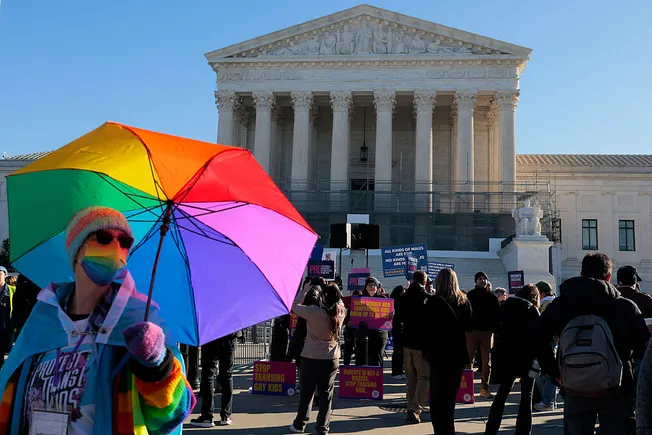
Chronology of Key Events Leading to the Decision
The path to the Supreme Court’s ruling is a complex tapestry woven from legislative actions, court filings, and evolving societal attitudes.
- 2016: The Obama administration issued guidance clarifying that Title IX protects transgender students from discrimination based on gender identity, including in athletic participation. This guidance encouraged schools to allow transgender students to use facilities and participate in activities consistent with their gender identity.
- 2017: The Trump administration rescinded the 2016 guidance, creating further confusion and leading to varied approaches by states and school districts. This action signaled a shift in federal policy and emboldened states that sought to restrict transgender participation.
- Late 2010s – Early 2020s: A wave of state-level legislation emerged, with some states enacting laws to protect transgender student athletes and others passing laws to ban them from competing in sports aligning with their gender identity. These legislative efforts often became focal points of intense political debate and activism.
- 2020-2025: Legal challenges mounted against both inclusive and restrictive state laws. Cases began to progress through federal courts, with differing rulings at the appellate level, creating a patchwork of legal precedents and highlighting the need for a definitive Supreme Court decision. Several high-profile cases, involving specific student athletes and school districts, garnered national attention and laid the groundwork for the consolidated cases heard by the Supreme Court.
- Early 2026: The Supreme Court agreed to hear a consolidated case (or cases) addressing the interpretation of Title IX in relation to transgender athletes. Oral arguments were presented in January 2026, with proponents and opponents of transgender inclusion presenting their legal arguments before the justices.
- June 30, 2026: The Supreme Court delivered its ruling, establishing the precedent that schools can categorize sports teams based on biological sex.
Supporting Data and Legal Precedents
Title IX, enacted in 1972, prohibits discrimination on the basis of sex in any education program or activity receiving federal financial assistance. Its primary aim was to create equal opportunities for women and girls in education, particularly in sports, where they had historically been excluded or given fewer resources. The interpretation of "sex" under Title IX has been a subject of ongoing legal debate, especially in recent years with the increasing visibility and legal recognition of transgender individuals.
The Supreme Court’s decision appears to hinge on a particular interpretation of the statute and its implementing regulations, which have historically allowed for sex-segregated sports teams to promote competitive balance and opportunities for female athletes. The court likely weighed arguments regarding the biological differences between sexes and their perceived impact on athletic performance. Data from various sports science studies, though often debated, has been presented in legal arguments to highlight potential performance disparities between cisgender males and females in certain athletic disciplines.
Proponents of the ruling argue that it upholds the original intent of Title IX to provide equitable opportunities for cisgender female athletes by ensuring fair competition. They may point to instances where transgender women, who have gone through male puberty, have dominated women’s sports, leading to concerns about the erosion of competitive balance and the reduction of opportunities for cisgender women. Conversely, opponents of the ruling emphasize that it denies transgender students their civil rights and excludes them from the physical, social, and emotional benefits of team sports. They often cite the importance of gender identity in all aspects of life and argue that excluding transgender athletes is discriminatory and harmful.

Reactions from Stakeholders
The Supreme Court’s ruling has elicited strong and often opposing reactions from various groups.
Advocates for Transgender Rights and Inclusion: Organizations dedicated to LGBTQ+ rights have expressed deep disappointment and concern. Sarah Johnson, spokesperson for the National Center for Transgender Equality, stated, "This decision is a devastating blow to the dignity and rights of transgender youth. It sends a message that their identities are not valid and that they should be excluded from fundamental aspects of school life. We will continue to fight for the full inclusion and protection of transgender students in all settings." Many expressed fears that this ruling could embolden further discriminatory policies and create hostile environments for transgender students.
Supporters of the Ruling and Women’s Sports Advocates: Groups advocating for the protection of women’s sports have largely welcomed the decision. "This ruling is a victory for fairness and the integrity of women’s sports," commented Emily Carter, president of the Women’s Sports Coalition. "Title IX was designed to create equal opportunities for girls and women. This decision helps ensure that competition remains fair and that cisgender female athletes have a genuine chance to win and receive scholarships." They emphasized the importance of biological sex in maintaining a level playing field.
Educational Institutions and Governing Bodies: School districts and athletic associations are now tasked with implementing the Supreme Court’s directive. Many are reviewing their existing policies to ensure compliance. The National Federation of State High School Associations (NFHS) has stated, "We will be analyzing the court’s decision and its implications for our member state associations. Our goal is to provide clear guidance that supports both fairness and inclusivity within the bounds of the law." Some institutions that have had inclusive policies in place may face pressure to revise them, leading to potential administrative challenges and student body divisions.

Legal and Civil Rights Scholars: Legal experts are divided on the long-term implications. Some argue that the ruling narrows the interpretation of Title IX and could set a precedent for other anti-discrimination protections. Others believe it is a specific ruling on athletic participation and does not necessarily impact other areas of Title IX enforcement. The impact on future litigation concerning transgender rights in other contexts remains to be seen.
Broader Impact and Implications
The Supreme Court’s decision has far-reaching implications that extend beyond the realm of school athletics.
- Increased Polarization: The ruling is likely to exacerbate the already significant societal and political polarization surrounding transgender rights. It could embolden more states to enact restrictive legislation and fuel further activism on both sides of the issue.
- Mental Health and Well-being of Transgender Students: For transgender students, this decision could have a profound negative impact on their mental health and well-being. Being excluded from activities that foster belonging and identity development can lead to increased rates of anxiety, depression, and social isolation. The ruling may also affect their access to supportive school environments.
- Future of Title IX Interpretation: The court’s interpretation of Title IX in this context could influence how the law is applied in other areas, potentially impacting other forms of sex-based discrimination in education. The debate over the definition of "sex" in legal and policy contexts is likely to continue.
- Impact on Girls’ Sports: Proponents of the ruling believe it will safeguard opportunities for cisgender girls in sports, ensuring that they can compete on a level playing field. They argue that without such distinctions, the intended benefits of Title IX for female athletes could be diminished.
- Challenges for Schools: Educational institutions will face the complex task of implementing the ruling while navigating potential legal challenges and addressing the concerns of their student populations. This may involve developing new policies for team designation, locker room access, and other related issues, which could lead to increased administrative burdens and potential conflicts.
The Supreme Court’s decision on June 30, 2026, marks a pivotal moment in the ongoing national conversation about transgender rights and inclusion. While it provides a definitive legal standard for athletic participation based on biological sex, the ruling is expected to continue to generate debate and shape future legal and social discussions regarding the rights and protections afforded to transgender individuals in educational settings and beyond. The long-term consequences of this decision will unfold in the coming years as schools, communities, and legal systems grapple with its implementation and its broader societal impact.