
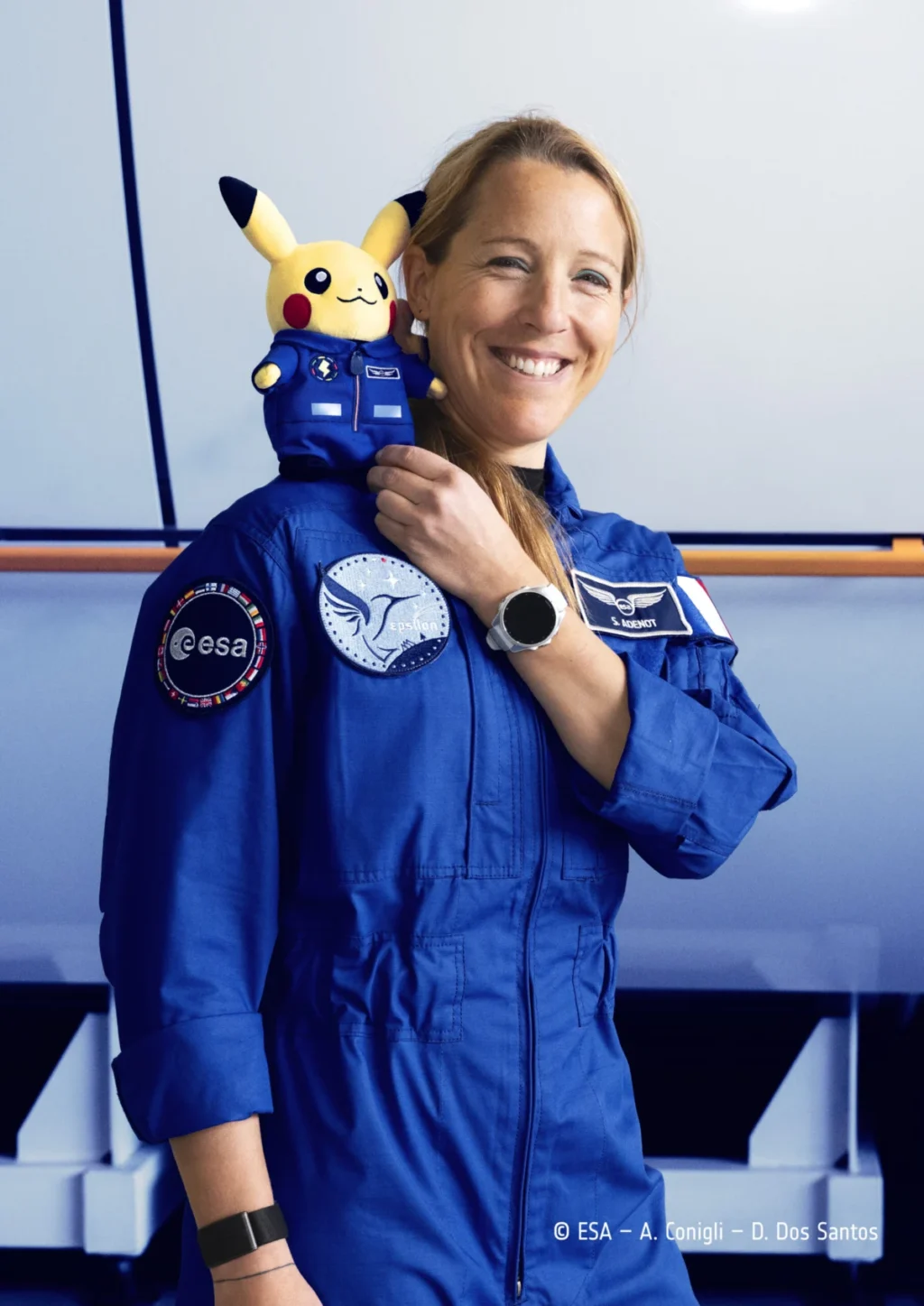
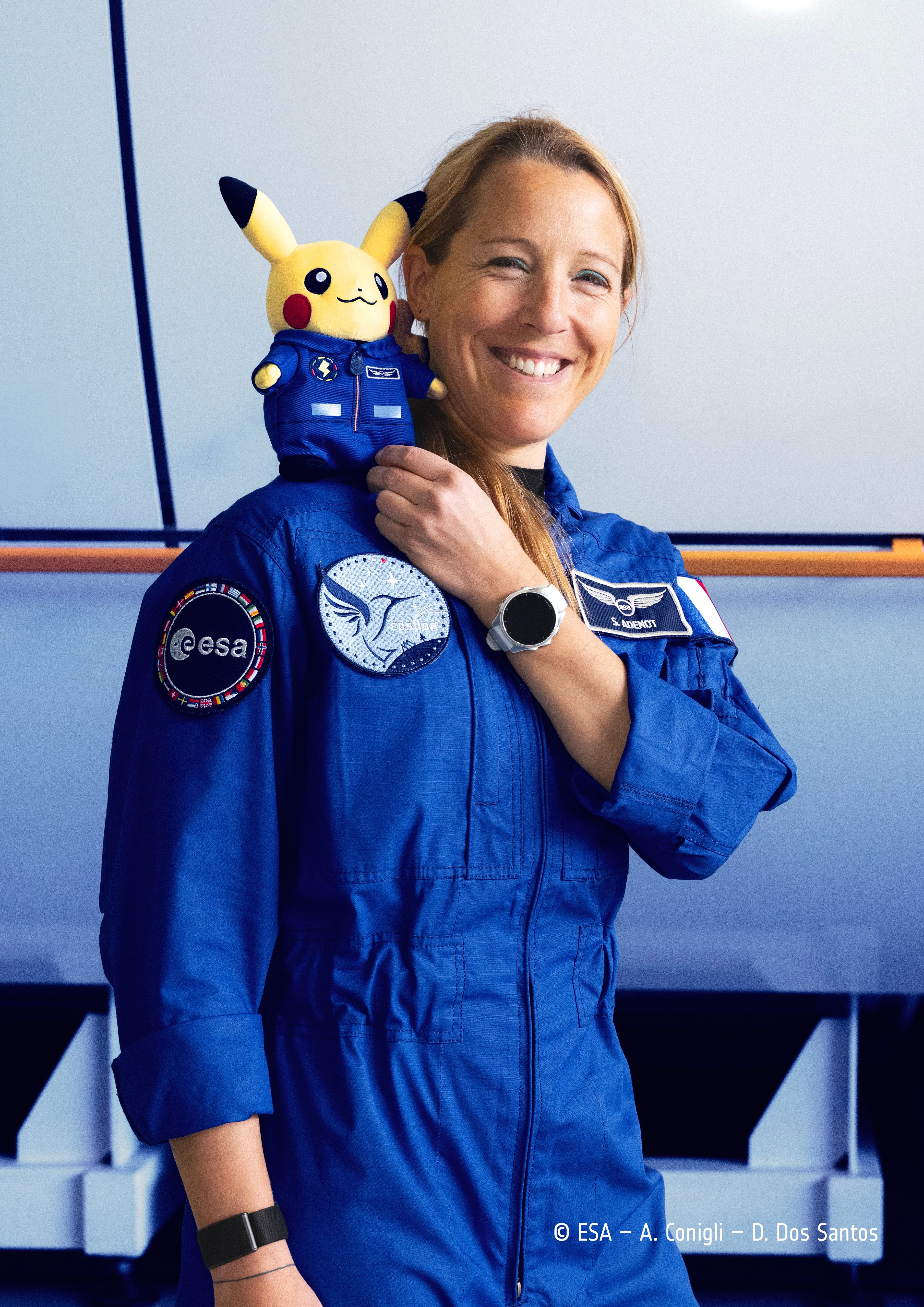
The intersection of popular culture and aerospace exploration reached a novel milestone this year as a specially crafted Pikachu plush completed a 67-day residency aboard the International Space Station (ISS). Spearheaded by the European Space Agency (ESA) in partnership with The Pokémon Company International, the initiative coincided with World Space Week to engage public interest in space science through a universally recognized icon. Transported to orbit by ESA astronaut Sophie Adenot during her extensive εpsilon mission, the zero-gravity mascot logged approximately 1,040 orbits around Earth, serving as both a whimsical outreach tool and a unique symbol of international scientific cooperation.
Mission Timeline and Orbital Logistics
The journey of the spacefaring Pikachu began months before its launch, involving rigorous preparations to meet safety standards for materials permitted on the orbiting laboratory. On April 11, the plush toy was packed aboard a cargo resupply mission destined for the ISS, where it joined veteran astronaut Sophie Adenot, who was already deep into her tour of duty.
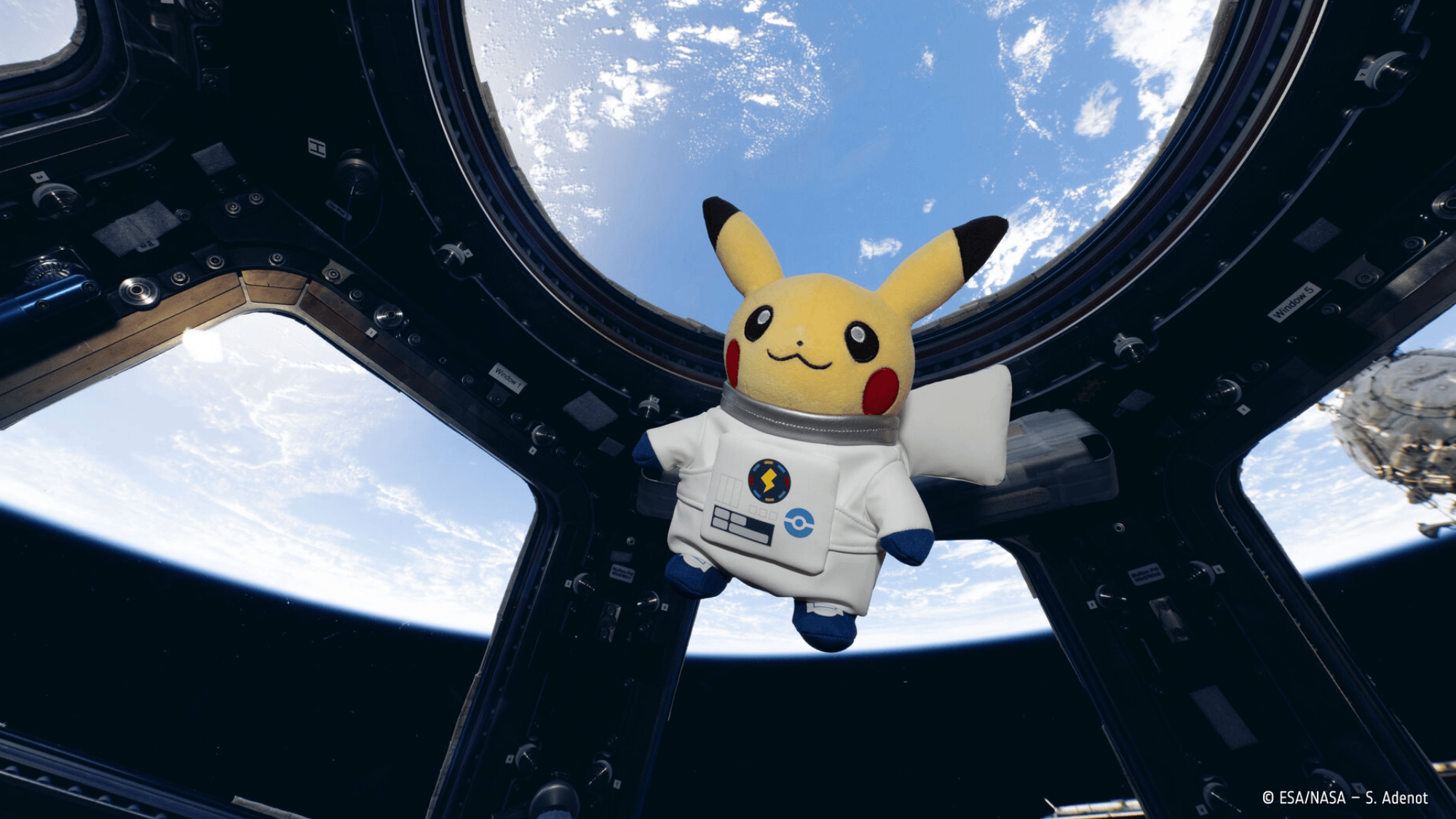
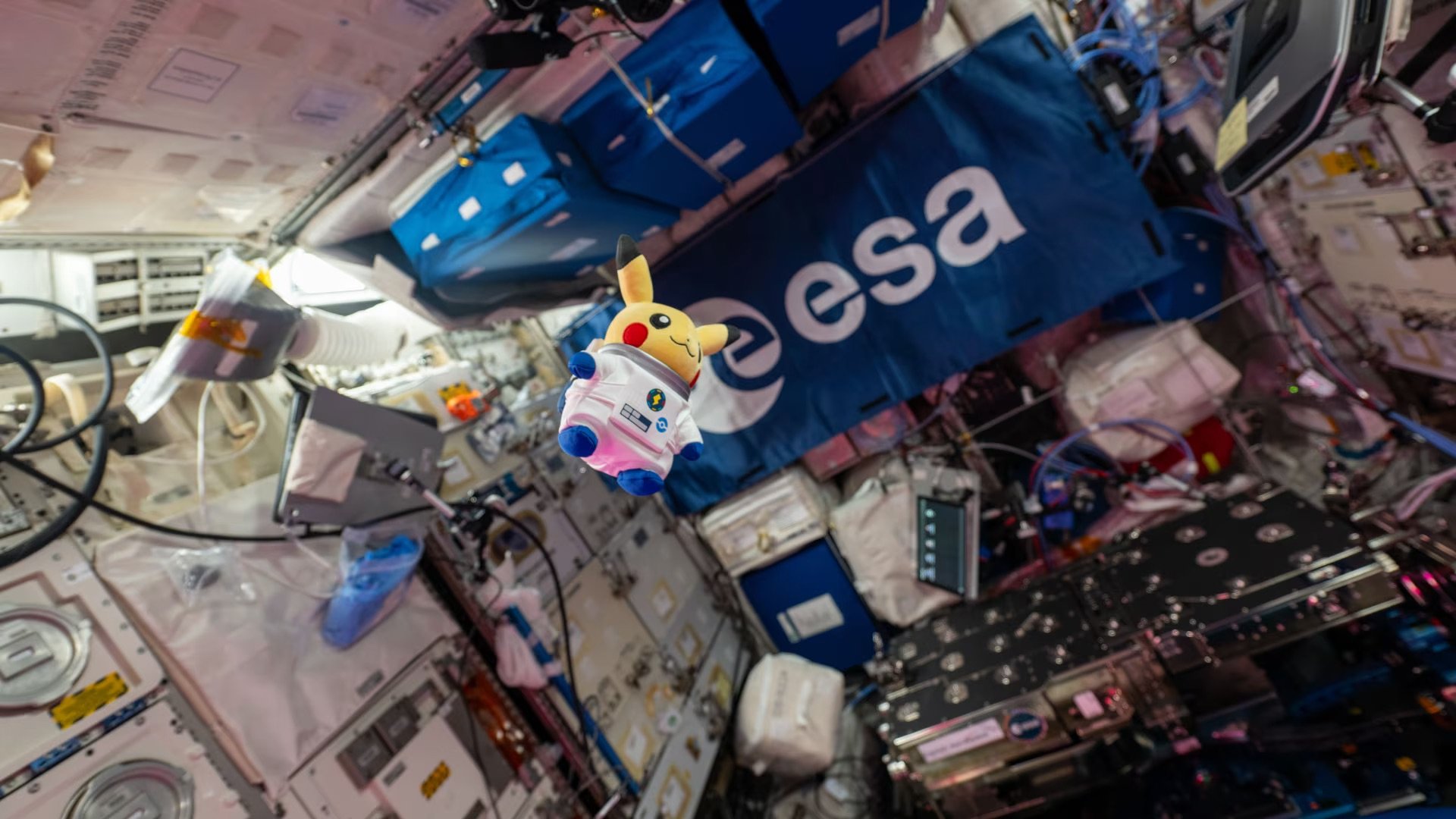
During its time in orbit, the plush witnessed a staggering array of cosmic phenomena. Because the ISS travels at roughly 28,000 kilometers per hour (17,500 miles per hour), it circles the globe once every 90 minutes. This velocity subjects the station’s crew to an intense daily cycle of 16 sunrises and 16 sunsets. Pikachu remained on the station through mid-June, officially concluding its spaceflight on June 17, 2026, after exactly 67 days in microgravity. Throughout this timeframe, Adenot documented the plush floating through various station modules, most notably the European-built Cupola, a seven-window observation dome designed to provide panoramic views of Earth and deep space.
Scientific and Operational Background of the εpsilon Mission
While the presence of a plush Pokémon added a lighthearted element to the station’s daily routine, the broader mission was defined by high-stakes scientific inquiry and critical maintenance. Astronaut Sophie Adenot, whose cumulative time in space has surpassed 200 days, utilized the mission to conduct advanced biological, physical, and material sciences research unique to the microgravity environment.
In addition to laboratory investigations, Adenot’s itinerary included physically demanding extravehicular activities (EVAs). Over the summer months, she successfully completed three spacewalks to perform essential maintenance on the station’s exterior architecture, upgrading power systems and inspecting thermal shielding. The integration of public outreach items like the Pikachu plush into such demanding professional schedules represents a calculated strategy by space agencies to humanize complex scientific endeavors and foster a connection with demographics that might not otherwise follow aerospace developments.
Official Responses and Institutional Strategy
Space agencies worldwide have increasingly turned to non-traditional partnerships to maintain public enthusiasm and secure long-term funding for space exploration. The collaboration between the ESA and The Pokémon Company International reflects this modern philosophy of public engagement.
"Inspiring future generations is a key part of ESA’s mission," stated ESA Director General Josef Aschbacher. "Through this collaboration with Pokémon, we are unlocking new ways for people across Europe to connect with space through a unique and engaging experience. By taking space exploration beyond traditional settings, we hope to ignite curiosity, spark a sense of wonder about our Universe and encourage people of all ages to discover the opportunities that space offers for the future."
The strategy extends beyond static museum displays. Alongside the physical spaceflight, the partnership manifested in Europe-wide educational exhibitions hosted across ESA facilities and partner museums. Furthermore, commercial merchandise lines featuring Pikachu outfitted in official ESA flight suits were introduced via official retail channels, while augmented reality platforms such as Pokémon GO integrated in-game events tailored to World Space Week to bridge the virtual and physical realms of exploration.
Historical Significance of World Space Week
The timing of the initiative aligned with World Space Week, an international celebration officially established by the United Nations General Assembly in December 1999. Designated annually from October 4 to October 10, the week commemorates two pivotal milestones in the history of space flight: the October 4, 1957, launch of Sputnik 1, the first human-made Earth satellite, which initiated the space age; and the entry into force on October 10, 1967, of the Treaty on Principles Governing the Activities of States in the Exploration and Use of Outer Space, Including the Moon and Other Celestial Bodies.
For over two decades, World Space Week has served as a global umbrella for educational institutions, aerospace companies, and governmental bodies to host events highlighting the tangible benefits of space technology on everyday life, from meteorology and telecommunications to advanced medicine and material science.
Implications for Public Engagement in Aerospace
The integration of commercial intellectual property into state-sponsored space missions marks a continuing evolution in how science communication is funded and executed. Analysts note that while traditional academic publications and technical briefings remain essential for the scientific community, cultural touchstones are increasingly necessary to drive broad societal engagement.
By leveraging a globally recognizable franchise, the ESA has demonstrated that public science communication can transcend geographical and demographic barriers. As commercial spaceflight expands and national agencies look toward long-term lunar habitation and crewed Mars missions, maintaining public backing will rely heavily on innovative storytelling. Initiatives like the orbital voyage of Astronaut Pikachu provide a tangible, accessible entry point for millions of individuals to engage with the realities of orbital mechanics, microgravity research, and the future of human presence in the solar system.