



The flickering amber glow of a campfire has a documented ability to induce a specific state of trance in the human mind, a phenomenon where time seems to dilate and external distractions fade into the periphery. For millennia, fire has served as the cornerstone of human civilization, providing warmth, protection, and a means to cook food, yet its hold over the modern psyche remains an area of intense scientific inquiry. Evolutionary anthropologists and psychologists are increasingly looking toward our ancestral past to explain why, in an era of central heating and LED screens, the primitive sight of burning wood remains one of the most potent tools for relaxation and focus. Recent research suggests that this fascination is not merely a byproduct of nostalgia but is rooted in "prepared learning" and physiological responses that once ensured the survival of the species.
The Evolutionary Necessity of Fire Mastery
The relationship between the genus Homo and fire dates back approximately one million to 1.5 million years. Evolutionary anthropologist Dr. Daniel M.T. Fessler of the University of California, Los Angeles, posits that our attraction to fire is an evolutionary vestige of a time when mastering the flame was the difference between life and death. Fessler’s research suggests that humans possess a biological predisposition to be fascinated by fire, a trait he classifies under "prepared learning." This psychological concept suggests that evolution does not provide us with innate knowledge of how to handle fire, but rather gives us a powerful motivational drive to watch, study, and eventually master it during childhood.
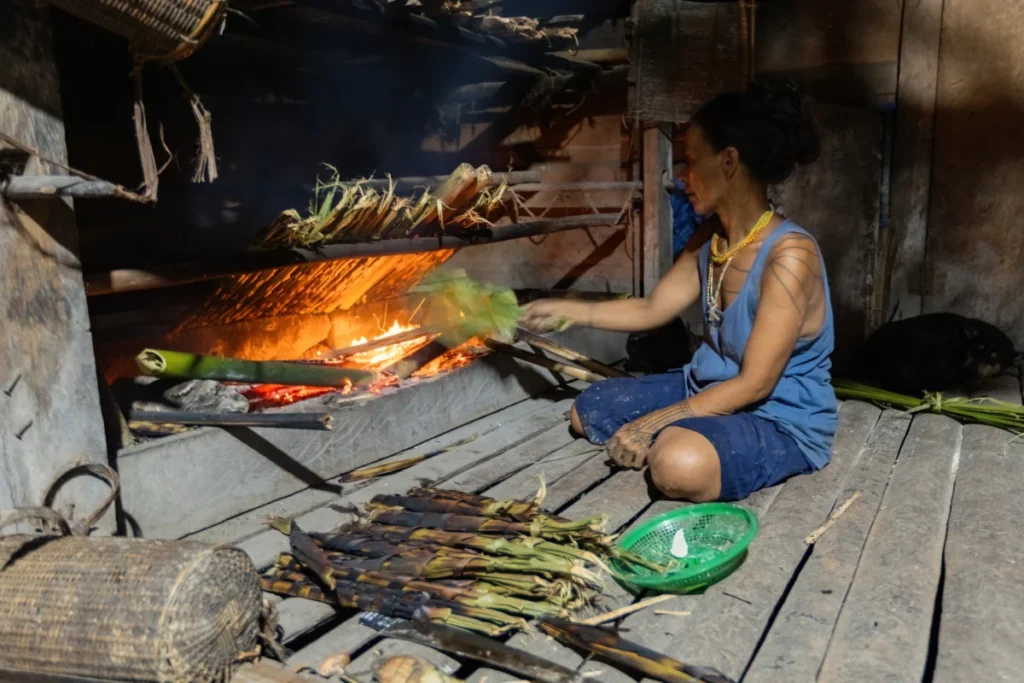
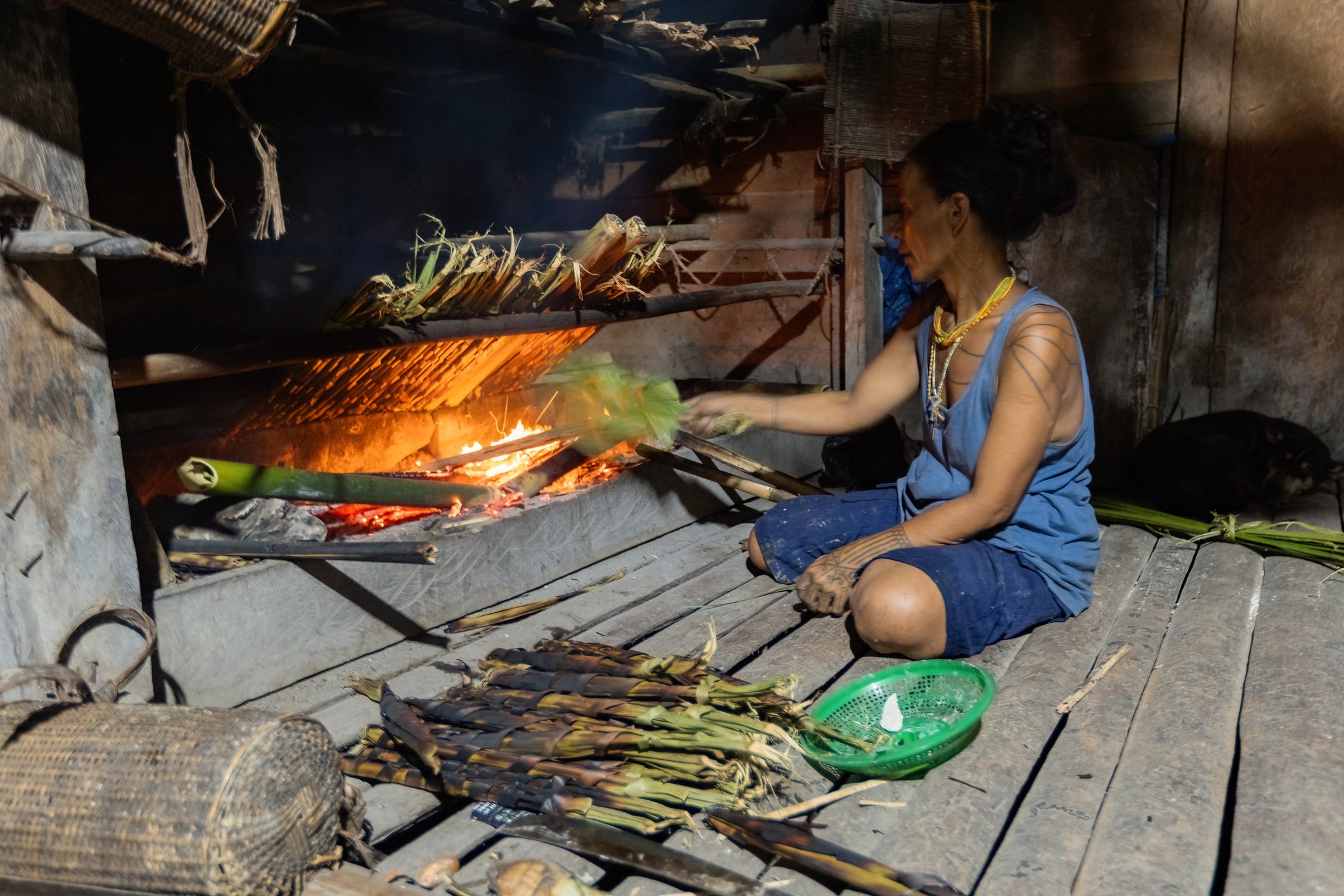
In many modern Western cultures, fire is treated as a hazard to be avoided, leading to a prolonged sense of curiosity that extends well into adulthood. However, in communities where fire remains a daily tool for survival, this fascination follows a different trajectory. Fessler’s ethnographic studies in Southwestern Sumatra provided a clear window into this transition. In these rural Indonesian communities, children are exposed to open cooking fires from the moment they can crawl. By the age of six, children are often seen handling embers to "cook" mud pies, mimicking the essential survival tasks of their elders.
Fessler observed that by the age of 10, these children had achieved a level of fire mastery comparable to experienced adult outdoorsmen in the United States. Crucially, as their proficiency increased, their obsessive interest in the fire waned. According to Fessler, once the "input" into the biological learning system is sufficient—meaning the child has learned to build, maintain, and respect the flame—the evolutionary drive to stare at it "shuts off." In contrast, many adults in industrialized nations may be stuck in a state of "unfinished business," where their childhood curiosity was never fully satisfied through mastery, leading to a lifelong fixation with fireplaces and fire pits.
Physiological Responses and the "Fire Trance"
While Fessler focuses on the developmental drive to learn, Christopher Lynn, an anthropologist at the University of Alabama, has investigated the immediate physiological effects fire has on the human body. Lynn’s research suggests that the "zoning out" experienced while watching a fire is a measurable biological state characterized by a decrease in blood pressure and a shift in the nervous system.
In a controlled study, Lynn tracked the blood pressure of volunteers as they watched a video of a fireplace under varying conditions. The results indicated a significant and consistent drop in blood pressure among participants, particularly when the visual of the fire was accompanied by the natural sound of crackling wood. This effect was not instantaneous; rather, the relaxation response intensified the longer the subjects watched the fire.
This reaction is linked to the parasympathetic nervous system, which governs the body’s "rest and digest" functions. From an evolutionary standpoint, this relaxation response likely provided a selective advantage. In ancestral environments, the campfire was the primary site for social bonding, food sharing, and collective security. Individuals who could remain calm and cooperative in these settings were more likely to form the social alliances necessary for survival. The fire, in essence, acted as a social lubricant, quieting the "fight or flight" response and allowing for the development of complex social structures.
A Chronology of Human-Fire Interaction
The timeline of the human-fire relationship illustrates how a survival necessity evolved into a psychological comfort:
- Opportunistic Use (c. 1.5 Million Years Ago): Early hominids, likely Homo erectus, began utilizing fire from natural sources like lightning strikes. They could not yet create fire but could maintain it.
- Controlled Production (c. 400,000 to 800,000 Years Ago): Evidence of hearths suggests that humans began to control fire for cooking and protection, leading to significant changes in brain size and gut morphology due to the consumption of cooked proteins.
- Social Expansion (c. 100,000 Years Ago): Fire allowed for the extension of the day into the night, fostering the development of storytelling, religious rituals, and complex language.
- The Industrial Shift (19th Century): The advent of the wood stove and later central heating began to move fire from the center of the home to the basement or the kitchen appliance, detaching the average person from the act of fire-building.
- Modern Leisure (21st Century): Fire has transitioned almost entirely into a decorative and psychological tool. Streaming services like Netflix report millions of views for "Yule Log" footage, and real estate markets continue to value fireplaces as premium home features despite their energy inefficiency.
The Contradiction of Experience: The Anchorage Study
Not all data perfectly aligns with the theory that mastery eliminates fascination. In 2015, Fessler co-authored a study involving college students in Anchorage, Alaska. Given the colder climate and the prevalence of wood-burning stoves in the region, the researchers expected that students with high fire exposure would show less interest in fire as adults.
To their surprise, the data showed the opposite: individuals who grew up with more fire experience reported a higher level of enjoyment and interest in fire as adults. Fessler has remained transparent about this contradiction, suggesting that even the "high exposure" group in Alaska may not have reached the level of mundane, daily mastery seen in the Sumatran tribes. Alternatively, he acknowledged that the hypothesis of "extinguishing fascination through mastery" might require further refinement or that cultural factors in the West reinforce fire as a "hobby" rather than a "tool."
Societal Implications and the "German Model" of Safety
The psychological draw toward fire has significant implications for public safety and childhood education. In the United States, fire safety programs for children traditionally emphasize total avoidance, using slogans like "Don’t touch" and "Stay away." However, Fessler and other researchers argue that this approach may inadvertently fuel a dangerous, unsatisfied curiosity—the "forbidden fruit" effect.
In contrast, some fire safety programs in Germany have adopted a "competency-based" approach. Instead of teaching children to fear fire, these programs instruct them on how to strike a match safely, how to build a controlled fire in a hearth, and how to extinguish flames responsibly. This approach aligns with the "prepared learning" theory, suggesting that by providing children with the tools for mastery, the risk of "fire-play" and accidental arsons may actually decrease. By satisfying the biological urge to understand fire, the dangerous mystery is replaced by a healthy respect for the element’s power.
Broader Impact: Fire in the Digital Age
The persistence of fire fascination in the 21st century highlights a fundamental tension between our biological heritage and our digital environment. Christopher Lynn’s research into "dissociation"—the mild state of zoning out—suggests that fire provides a form of mental "quiet" that is increasingly rare in a world of high-velocity digital information. Unlike the rapid cuts and blue light of a smartphone screen, the flickering of a fire is rhythmic and organic, matching the "soft fascination" described in Attention Restoration Theory.
This may explain the "absurdity" Fessler notes in the real estate market. Despite the environmental impact of wood smoke and the high cost of chimney maintenance, fireplaces remain a top-tier demand for homebuyers. They represent a "psychological anchor" in the home, a vestigial hearth that promises the same social safety and mental calm that our ancestors found on the savannah.
As urban environments become more disconnected from the natural world, the role of fire as a therapeutic tool may only grow. Whether through a backyard fire pit or a high-definition video of a burning log, the human brain continues to seek the ancient signal that the day’s work is done, the predators are at bay, and it is safe to rest. The "fire trance" is not a sign of a wandering mind, but a deep-seated biological response that has bonded humanity together for over a million years. In the end, our inability to look away from the flames is a reminder that we are still, at our core, the same creatures who once gathered in the dark to share the warmth of the very first hearths.