



Retirement, a significant life transition, presents a unique tapestry of opportunities and challenges, demanding continued social engagement, intellectual stimulation, and access to reliable resources to ensure a fulfilling post-career life. Recognizing this, local university and college retiree associations across Canada, bolstered by their national umbrella organization, the College and University Retiree Association of Canada / Associations de retraités des universités et collèges du Canada (CURAC/ARUCC), are actively providing practical strategies to enhance the quality of life for older Canadians. This network, comprising over 40 local associations, functions as a robust "network of networks," fostering a sense of community and providing tangible benefits to its members.
The Vice President of CURAC/ARUCC and an executive member of the University of Calgary Retirees Association, speaking on behalf of the organization, highlighted the concrete ways individuals can leverage participation in these associations. These benefits span crucial areas such as social engagement, lifelong learning, advocacy, volunteerism, access to shared benefits, and streamlined information flow. Retirement often necessitates a recalibration of daily routines, social circles, and access to institutional support systems. While many retirees actively seek opportunities for continued engagement, learning, and contribution, navigating the pathways to these experiences can prove challenging. Academic institution-affiliated retiree associations offer a well-established route, combining localized community support with access to broader national networks.
The Shifting Landscape of Retirement and the Role of Associations
The demographic shift towards an aging population in Canada underscores the growing importance of organizations like CURAC/ARUCC. With an increasing number of Canadians reaching retirement age, the need for structured support systems that facilitate a smooth and enriching transition becomes paramount. Statistics Canada data consistently shows a rise in the senior population, with projections indicating this trend will continue. For instance, in 2021, individuals aged 65 and over constituted approximately 19% of Canada’s population, a figure expected to climb significantly in the coming decades. This demographic reality necessitates proactive strategies to ensure that retirement is not a period of decline but one of continued growth and engagement.
Historically, retiree associations have evolved alongside the growth of academic institutions. As faculty and staff members retired from universities and colleges, there was a natural inclination to maintain connections formed over decades of shared professional life. Early associations were often informal, focusing primarily on social gatherings. However, over time, these groups recognized the need for a more structured approach to address the multifaceted needs of their members, leading to the formation of more formalized associations and, subsequently, the establishment of a national coordinating body like CURAC/ARUCC.
The evolution of CURAC/ARUCC from its inception can be traced through its increasing membership and expanding service offerings. Initially focused on a smaller number of institutions, the organization has seen steady growth, reflecting the increasing recognition of its value proposition. This expansion has allowed for the development of shared resources, communication platforms, and a more unified voice for advocacy.
Fostering Social Connection in the Post-Career Years
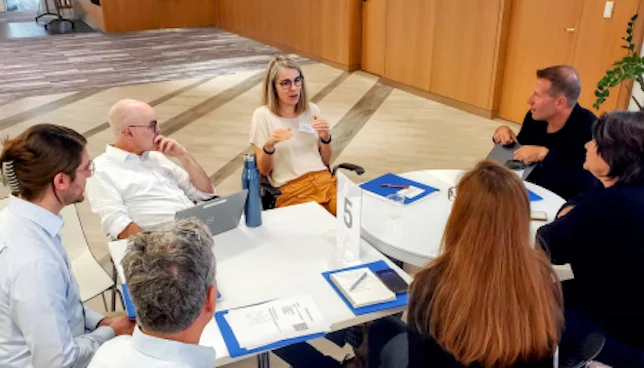
One of the most immediate and profound benefits of joining a retiree association is the provision of structured opportunities for social engagement. Retirement can often lead to a reduction in daily social interactions, particularly for those who were highly integrated into their workplace communities. Local association activities, such as organized luncheons, interest-based clubs, and outings, provide a natural environment for retirees to connect with peers who share similar life experiences and backgrounds, particularly a connection to campus life. These interactions go beyond mere acquaintanceship, fostering deeper friendships and a sense of belonging that is crucial for mental well-being.
Practically, retirees can benefit by actively participating in local association events, attending regular meetings and social gatherings, and joining specific interest groups such as book clubs, walking groups, or gardening circles. The national organization, CURAC/ARUCC, plays a pivotal role in facilitating connections that transcend geographical limitations. Through coordinated initiatives and communication channels, members can engage with a wider community of retirees across Canada, sharing experiences and forging new relationships that enrich their social landscape. This "network of networks" ensures that even retirees in smaller communities have access to a broader social fabric. The implications of such sustained social interaction are significant, with research consistently demonstrating a correlation between strong social ties and improved mental and physical health outcomes in older adults. For instance, studies published in journals like the Journal of Gerontology have indicated that robust social networks can buffer against depression and cognitive decline.
Cultivating Lifelong Learning and Intellectual Stimulation
The transition to retirement should not signify an end to intellectual curiosity. Retiree associations are at the forefront of providing accessible and relevant lifelong learning opportunities, ranging from engaging lectures and informative webinars to specialized educational programs. These offerings are tailored to the interests and learning preferences of older adults, ensuring that intellectual engagement remains a vibrant part of their lives.
Retirees can practically leverage these educational avenues by attending lectures and workshops on diverse subjects, participating in online webinars from the comfort of their homes, and enrolling in courses that align with their personal or professional interests. The increasing digitization of learning has opened new frontiers, though it can also present barriers for some. CURAC/ARUCC and its member associations are actively addressing this by offering guidance and support to help retirees navigate the digital landscape, ensuring broader access to online learning environments. This commitment to digital inclusion is vital, as it empowers a larger segment of the retiree population to benefit from these valuable resources. The impact of continuous learning on cognitive health is well-documented. Research suggests that engaging in mentally stimulating activities can help maintain cognitive function and potentially delay the onset of age-related cognitive impairments. Associations that facilitate such engagement are, therefore, contributing to the long-term health and well-being of their members.
Empowering Collective Advocacy for Seniors’ Issues
Retirees possess a wealth of life experience and valuable insights into issues that affect older adults, including healthcare, social policy, and community services. Individually, influencing policy can be a daunting task. However, retiree associations provide a powerful mechanism for collective advocacy, enabling members to voice their concerns and effect change on a broader scale. This collective power amplifies individual voices, ensuring that the perspectives of seniors are heard by policymakers.
Practical engagement in advocacy includes participating in surveys and consultations conducted by the associations, writing letters or emails to elected officials on specific policy issues, and attending town hall meetings to express concerns. CURAC/ARUCC plays a crucial role in aggregating these individual submissions and translating them into coordinated policy statements, ensuring that local perspectives are effectively represented in national discussions. This coordinated approach has yielded tangible results over time. For example, CURAC/ARUCC has been instrumental in advocating for improvements in pension portability, access to affordable healthcare services, and the enhancement of seniors’ benefits. The organization’s submissions to parliamentary committees and various government departments have demonstrably influenced policy decisions, reflecting the power of a united front.
Harnessing Volunteerism for Meaningful Contribution
Retiree associations, both at the local and national levels, thrive on the dedicated participation of volunteers. These organizations offer retirees a platform to contribute their skills, knowledge, and experience in meaningful ways, fostering a sense of purpose and continued contribution beyond their professional careers. Volunteer roles can range from organizing events and managing communications to serving on committees and mentoring newer members.
Practical roles for volunteers include assisting with event planning and execution, contributing to association newsletters or websites, serving on executive committees, and participating in outreach initiatives to connect with potential new members. CURAC/ARUCC actively supports its volunteers by providing templates, mentorship programs, and shared resources, making participation accessible even for those without prior experience in such roles. This support system is critical for nurturing a sustainable volunteer base and ensuring that the associations can effectively deliver their services. The benefits of volunteering extend beyond the organization; for the individual retiree, it offers a renewed sense of purpose, an opportunity to learn new skills, and the satisfaction of making a tangible difference in their community. Research from organizations like Volunteer Canada consistently highlights the positive impact of volunteering on the mental and physical health of older adults, linking it to reduced stress, increased social connection, and a greater sense of well-being.
Accessing Shared Benefits and Collective Purchasing Power
Beyond social and intellectual enrichment, retiree associations often provide access to a range of shared benefits, leveraging the collective purchasing power of their membership. These benefits can include discounted insurance plans, travel programs, and other services that offer practical value and financial advantages to individual retirees.
Retirees can benefit by exploring and utilizing the exclusive offers available through their association memberships, such as group health or travel insurance plans that may provide more competitive rates than individual policies. Furthermore, access to affinity programs, such as discounts on goods and services, can contribute to greater financial flexibility in retirement. These services are a direct result of the collective organization of the association, demonstrating how group affiliation can reduce individual burdens and provide tangible economic advantages. For instance, CURAC/ARUCC has established partnerships with various providers to offer members access to discounted home and auto insurance, prescription drug plans, and even travel insurance, providing significant cost savings for individuals.
Ensuring Robust Communication and Information Flow
Effective communication is the cornerstone of any successful organization, and for retiree associations, it is essential for keeping members informed about opportunities, events, and issues that impact their quality of life. Associations employ various channels, including newsletters, email updates, websites, and social media, to disseminate information and foster a sense of connection among their members.
Retirees can actively engage by regularly checking association communications, subscribing to newsletters and email lists, and visiting the association websites for updates. The national communication frameworks employed by CURAC/ARUCC are particularly effective in promoting local activities while ensuring that retirees have access to a credible and current flow of information on issues relevant to their demographic. This consistent information stream helps combat feelings of isolation and ensures that retirees are well-equipped to take advantage of the resources and opportunities available to them. The reliability of information is paramount, especially in an era of widespread misinformation. By providing a trusted source of information, these associations empower their members to make informed decisions and stay abreast of relevant developments.
The Integrated Model: Local Action, National Reach
The integration of local and national structures within the CURAC/ARUCC network is a key strength. Local associations provide the immediate community and personalized engagement, while the national organization offers broader reach, shared resources, and a unified voice for advocacy. This dual-level approach ensures that retirees can benefit from both localized support and the advantages of a larger, more influential network. The effectiveness of this model is directly tied to the active participation of retirees. By engaging proactively, individuals can maximize the benefits they receive and contribute to the vitality of the associations.
CURAC/ARUCC’s ongoing efforts to reduce barriers to access, particularly in relation to online engagement and communication, are critical for inclusivity. As the digital divide persists for some segments of the senior population, continued investment in digital literacy programs and accessible technology support will be crucial for ensuring that all retirees can fully participate.
In conclusion, the national (CURAC/ARUCC) and local retiree associations provide a vital and practical infrastructure for enhancing the quality of life in retirement. Through comprehensive opportunities for social connection, lifelong learning, meaningful advocacy, rewarding volunteerism, and access to mutually beneficial services, these organizations empower retirees to remain engaged, connected, and active participants in society. By embracing these resources, retirees can transform their post-career years into a dynamic period of continued growth, profound connection, and significant contribution, enriching not only their own lives but also the broader communities in which they reside. The ongoing evolution of these associations, adapting to the changing needs of a growing senior population, solidifies their indispensable role in fostering a vibrant and fulfilling retirement for Canadians.