

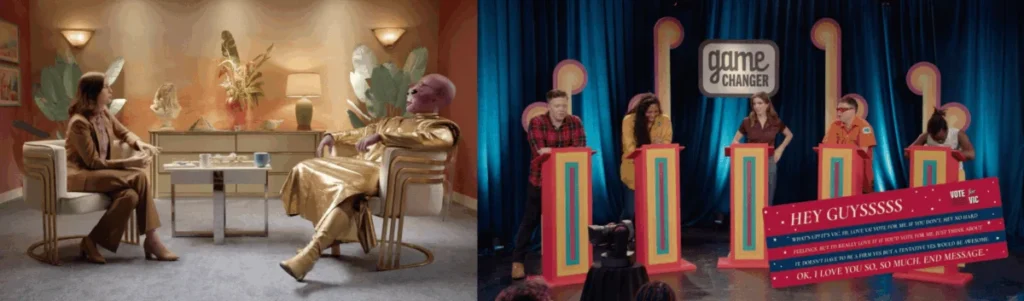
The recent launch of Cal Newport’s MasterClass, titled "Rebuild Your Focus & Reclaim Your Time," marks a significant moment not only for the renowned author and computer science professor but also for the broader landscape of online content production. Drawing primarily from his bestselling book Slow Productivity and incorporating elements of his influential work Deep Work, the course offers subscribers insights into navigating the complexities of technology and productivity in the modern age. However, beyond the valuable content itself, Newport’s experience filming with MasterClass has prompted a compelling observation about the evolving standards of visual media, hinting at a future dominated by niche, high-production-value "micro-streamers."
A Deep Dive into Premium Production: The MasterClass Standard
Cal Newport, a prominent voice in the discourse surrounding digital minimalism and focused work, is no stranger to public speaking and media appearances. He has been a guest on numerous high-profile video podcasts, including those hosted by Mel Robbins, Andrew Huberman, and Rich Roll. These platforms, recognized for their professional presentation, typically employ multi-camera setups, diffused lighting, and well-designed sets, delivering a polished viewing experience that stands a rung above typical amateur productions.
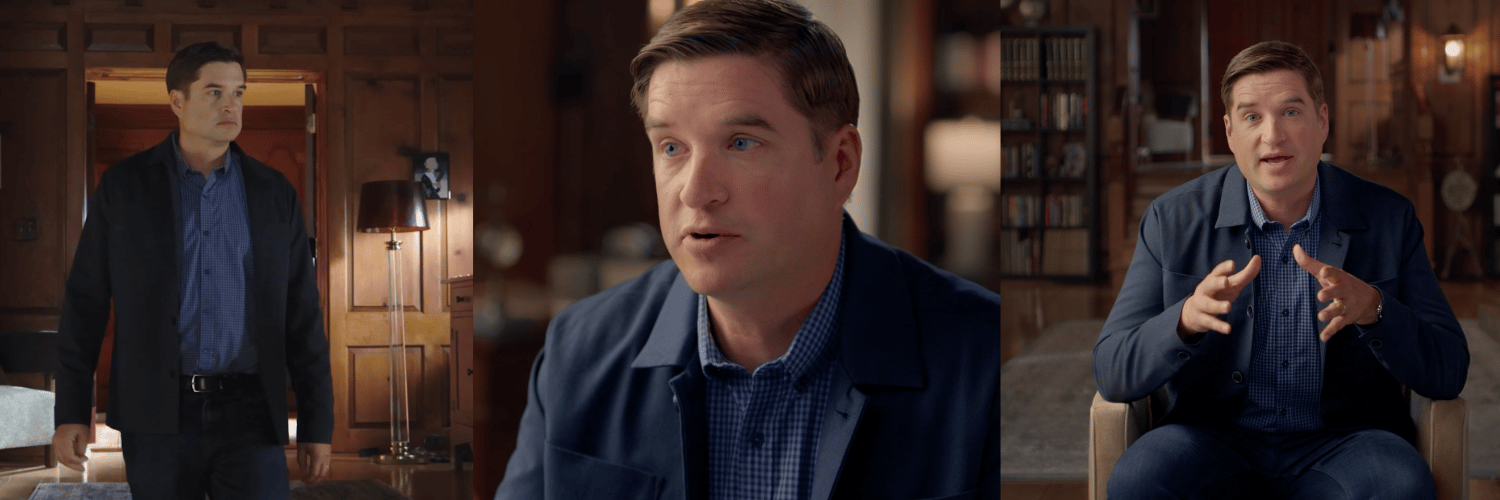
Yet, Newport’s engagement with MasterClass elevated his perception of production quality to an entirely new level. His description paints a vivid picture of an operation that mirrors traditional television and film studios, rather than a typical online educational platform. The MasterClass set was populated by a specialized crew, including a director, a cinematographer, multiple camera operators distinct from focus pullers, gaffers, grips, and production assistants. Even his makeup artist boasted recent credits on television series like Sinners. This extensive infrastructure and highly skilled personnel provided Newport with an experience he likened to "starring in a dramatic series or independent film," a stark contrast to his previous guest appearances on morning shows or cable news programs.
This meticulous approach to production is a cornerstone of MasterClass’s appeal. Founded in 2014, the platform distinguishes itself by featuring world-renowned experts across diverse fields—from culinary arts with Gordon Ramsay to filmmaking with Martin Scorsese—and presenting their lessons with cinematic flair. This commitment to premium aesthetics is not merely superficial; it aims to enhance the perceived value and immersive quality of the educational content, justifying its subscription-based model. By investing heavily in production, MasterClass effectively bridges the historical gap between educational content and entertainment, setting a benchmark for what "online learning" can visually achieve.
The Diminishing Divide: Independent vs. Legacy Video
Newport’s firsthand experience underscored a critical distinction in the contemporary media environment: the quality chasm that historically separated "independent" video, typically associated with platforms like YouTube, from "legacy" video produced for mainstream streaming services or linear television. For years, this gap was readily apparent. Legacy productions benefited from vast budgets, established studios, specialized talent pools, and sophisticated equipment that were largely inaccessible to individual creators or smaller independent outfits. This visual disparity directly influenced consumer perception and monetization strategies; audiences were accustomed to paying for the superior production values of traditional media while expecting ad-supported or free access to the less polished, user-generated content found on open platforms.
However, Newport argues that this once-pronounced difference is rapidly shrinking. Advances in technology have democratized access to professional-grade equipment, from high-resolution cameras and sophisticated editing software to accessible lighting and audio solutions. Moreover, a new generation of skilled cinematographers, editors, and production specialists, often trained in film schools or through online resources, are now more available to work on projects outside the traditional studio system.
MasterClass exemplifies how independent entities, unburdened by the legacy infrastructure of traditional broadcasters, can nonetheless achieve "streaming/TV-level production values." While not funded by a major streaming service or television studio, its strategic investment in cinematic quality allows it to compete directly for audience attention and subscription revenue with established players. This phenomenon is not isolated; other independent video producers are similarly leveraging technological advancements and creative talent to elevate their output, blurring the lines that once rigidly defined content tiers.
The Emergence of Micro-Streamers: A Case Study in Dropout TV
The erosion of the production quality gap poses a fundamental question for the future of video content: What happens when the visual distinction between independent and legacy productions vanishes? Cal Newport identifies a nascent trend, exemplified by platforms like Dropout TV, which he terms "micro-streamers." These services are characterized by two key attributes: legacy-quality programming and a highly focused, niche audience.
Dropout TV, often stylized as :Dropout, offers a compelling illustration of this model. For a monthly subscription of $6.99, subscribers gain access to a slate of original, unscripted comedy shows whose production quality is "indistinguishable from what you would find on, say, Netflix programs like Is It Cake? or Nailed It!." What makes Dropout TV particularly fascinating is its origin and trajectory. It did not emerge from a multi-billion-dollar corporation or receive massive venture capital backing. Instead, it evolved from CollegeHumor.com, a popular humor website launched in the early 2000s.
Chronology of Dropout TV’s Evolution:
- Early 2000s: CollegeHumor.com establishes itself as a prominent online comedy destination, primarily through text-based humor and short-form sketches.
- Mid-to-Late 2000s/Early 2010s: With the explosive growth of YouTube, CollegeHumor pivots to video content, becoming a major player on the platform. This move grants them immense reach and audience engagement, capitalizing on the nascent creator economy.
- Mid-2010s Onward: Despite YouTube’s reach, CollegeHumor (and its parent company, IAC) increasingly grapples with the challenges inherent in a third-party, ad-supported model. These include unpredictable algorithm changes that affect discoverability, fluctuating advertising revenues, and a perceived lack of control over their destiny. The "ad-pocalypse" events on YouTube, where advertisers pulled back due to controversial content, further highlighted the precarity of relying solely on ad revenue.
- 2018: Driven by a desire for greater creative freedom, direct audience connection, and stable revenue, CollegeHumor launches its own subscription service, Dropout TV. This marked a strategic pivot towards a direct-to-consumer model, aiming to cultivate a dedicated community willing to pay for premium content.
- 2020: The parent company, IAC, sells CollegeHumor and Dropout to its Chief Creative Officer, Sam Reich, effectively making it an independent entity. This transition further cemented its direct-to-consumer focus.
- Present: Dropout TV boasts over a million subscribers, demonstrating the viability and success of the micro-streamer model. Its growth underscores a powerful trend: creators, even those with substantial YouTube followings, are increasingly seeking alternatives to the mass-aggregation platforms to build sustainable businesses.
Dropout TV’s journey from a website to a YouTube powerhouse, and finally to a successful subscription-based micro-streamer, offers a compelling blueprint. It illustrates how an independent entity, by focusing on a specific niche (comedy), cultivating a loyal audience, and investing in high production values, can carve out a profitable space in a crowded media market, directly competing with established streaming giants in terms of quality, if not sheer volume of content.
Implications for Creators, Consumers, and the Broader Media Industry
The rise of micro-streamers and the diminishing quality gap carry profound implications for various stakeholders within the digital media ecosystem.
For Creators:
The micro-streamer model offers a tantalizing alternative to the often-volatile world of ad-supported platforms. Creators gain:
- Creative Autonomy: Direct audience relationships and subscription revenue reduce dependence on algorithms and advertiser whims, fostering greater freedom to produce the content they truly envision.
- Financial Stability: Predictable recurring revenue from subscriptions provides a more stable income stream compared to fluctuating ad rates, enabling long-term planning and investment in production.
- Direct Engagement: Building a proprietary platform fosters a deeper sense of community and allows for more direct interaction with the most dedicated fans.
- Brand Building: Owning the distribution channel strengthens the creator’s brand identity, positioning them as an independent media entity rather than merely a channel on a larger platform.
However, this model also presents challenges, including the significant upfront investment in production, marketing, and platform infrastructure, as well as the ongoing effort required for customer service and content delivery.
For Consumers:
The emergence of micro-streamers promises a more fragmented, yet potentially richer, content landscape:
- Niche Content: Viewers can access highly specialized, high-quality content tailored precisely to their interests, moving beyond the broad appeal of general entertainment.
- Enhanced Quality: The overall bar for online content quality is raised, providing a more polished and engaging viewing experience across the board.
- Subscription Fatigue: The proliferation of micro-streamers could lead to "subscription fatigue," where consumers become overwhelmed by the number of services and associated costs. The average American household already subscribes to multiple streaming services, and adding more niche platforms might become economically unfeasible for many.
- Discovery Challenges: While dedicated fans will follow their favorite creators, discovering new micro-streamers outside the major aggregation platforms might become more challenging.
For the Broader Media Industry and Major Platforms:
The micro-streamer trend signals a significant shift in the competitive landscape:
- Increased Competition: Major streaming services like Netflix, Disney+, and HBO Max, traditionally dominant in premium content, will face growing competition from below. While not directly competing for the same multi-million-dollar blockbusters, micro-streamers can chip away at audience attention and disposable income by offering compelling, high-quality niche alternatives.
- Talent Migration: High-profile creators, sensing greater autonomy and better monetization opportunities, might increasingly opt to launch their own platforms or collaborate with existing micro-streamers, potentially drawing talent away from larger platforms.
- Platform Adaptation: Mass-aggregation platforms like YouTube might need to adapt their models further to retain creators, perhaps by offering more robust subscription tools, better revenue sharing, or enhanced creative support.
- Investment Shifts: Investment capital could increasingly flow towards independent production companies and micro-streamer startups that demonstrate a clear path to profitability through direct audience relationships.
The Future of Digital Media: Fragmentation and Curated Experiences
Cal Newport’s prediction of a future where "Deep Life TV" could sit alongside Disney+ on a smart TV is not far-fetched. The technological advancements that have democratized high-quality video production, coupled with the increasing desire among creators for autonomy and among audiences for curated, niche content, are driving a profound transformation. This isn’t merely about higher resolution; it’s about the entire ecosystem of content creation, distribution, and monetization.
The media landscape is moving towards greater fragmentation, where the power shifts from monolithic platforms to a diverse array of independent content hubs. Success in this new environment will hinge on a creator’s ability to not only produce exceptional content but also to cultivate a deeply engaged community willing to support them directly. This model fosters resilience against algorithmic changes and advertising market fluctuations, allowing creators to build sustainable, audience-centric businesses.
As the distinction between independent and legacy production values continues to blur, the true differentiator will increasingly become the authenticity of the creator, the uniqueness of the content, and the strength of the community it fosters. Cal Newport’s MasterClass experience serves as a powerful testament to this evolving reality, offering a glimpse into a future where premium content is not solely the domain of established studios, but a reachable aspiration for visionary independent creators. Until "Deep Life TV" becomes a reality, the high-quality insights and production values of his MasterClass remain a compelling example of what the future of independent digital media holds.