


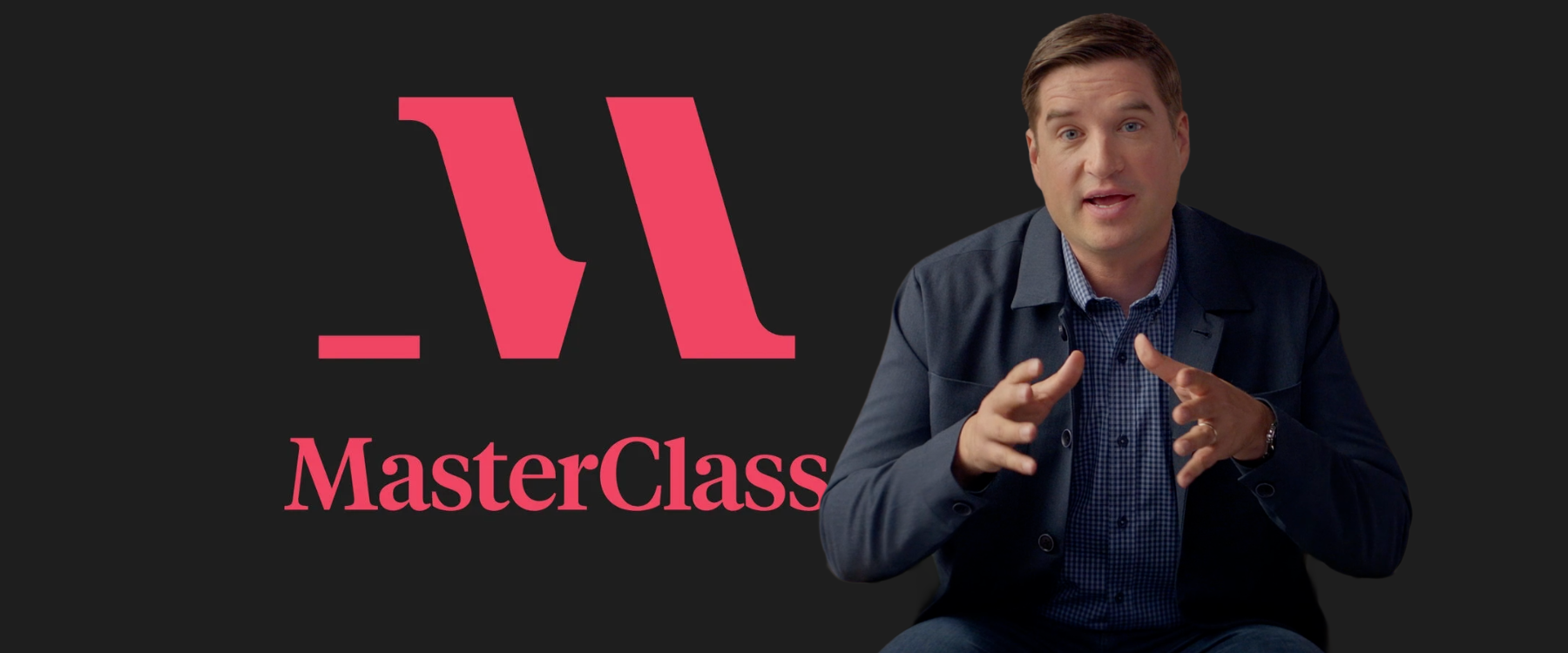
The recent launch of Cal Newport’s MasterClass, titled "Rebuild Your Focus & Reclaim Your Time," has not only provided a new resource for individuals seeking to enhance productivity and attention but has also ignited a broader conversation about the evolving landscape of online video production and content monetization. Based largely on Newport’s acclaimed books, Slow Productivity and Deep Work, the course became available last week on the popular educational platform, MasterClass, which is renowned for its cinematic production values and celebrity instructors. Newport’s experience filming this course served as a catalyst for his observations on the significant, yet diminishing, quality gap between independent online video and traditional, legacy media productions, pointing towards a future dominated by specialized, high-production-value "micro-streamers."
Cal Newport’s MasterClass: A Deep Dive into Productivity Principles
Cal Newport, a computer science professor at Georgetown University and a prolific author, has carved out a unique niche in the productivity and digital minimalism space. His work, particularly Deep Work: Rules for Focused Success in a Distracted World, introduced a foundational concept for many knowledge workers: the ability to focus without distraction on a cognitively demanding task. This principle advocates for sustained concentration that pushes cognitive capabilities to their limit, leading to new insights and high-quality output. His subsequent book, Slow Productivity: The Lost Art of Accomplishment Without Burnout, expands on these ideas, urging individuals and organizations to rethink their relationship with work, moving away from constant busyness towards deliberate, high-impact efforts. The MasterClass, "Rebuild Your Focus & Reclaim Your Time," distills these powerful methodologies into an accessible video format, offering practical strategies for navigating an increasingly complex and attention-demanding digital world. The course covers critical topics such as identifying high-leverage activities, structuring one’s day for deep work, strategically disengaging from digital noise, and cultivating a more sustainable, fulfilling approach to professional life. The launch aligns with a growing global demand for actionable insights into personal effectiveness, a market segment that industry analysts estimate will continue robust growth, with the online learning sector projected to reach hundreds of billions of dollars in the coming years. MasterClass, with its premium subscription model, positions itself as a leader in delivering expert-led content in a highly polished package.
The Unseen Craft: Behind MasterClass’s Cinematic Quality
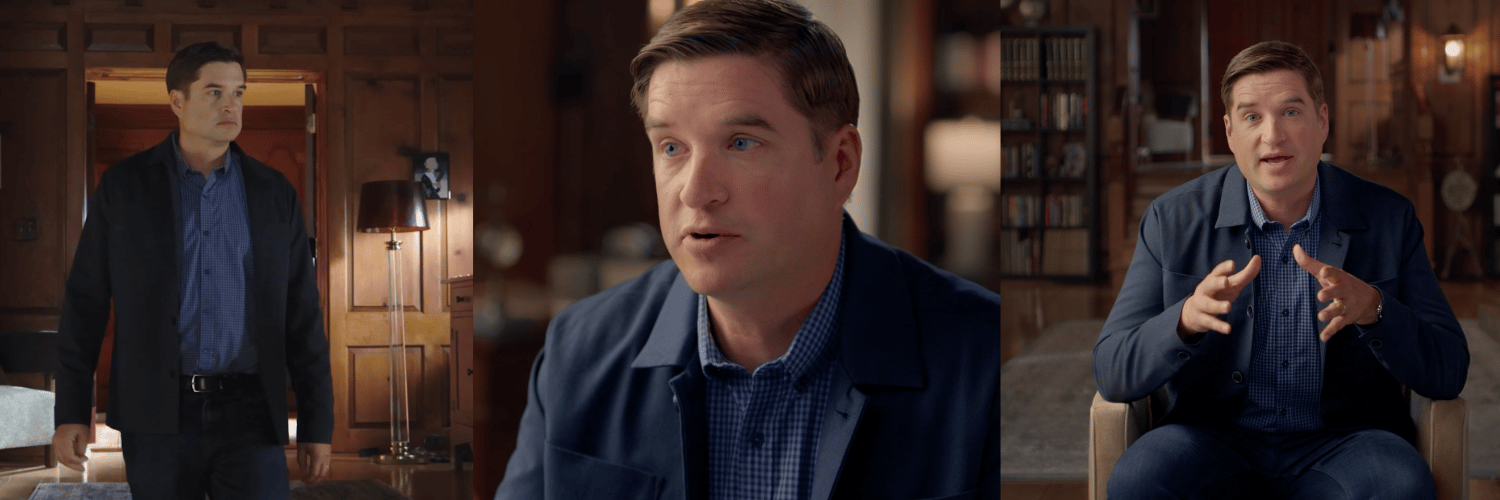
Newport’s firsthand account of filming his MasterClass underscored the platform’s extraordinary commitment to production excellence. He noted a striking difference between the quality of a MasterClass production and even well-regarded, independent video podcasts or YouTube channels, despite the latter often employing sophisticated setups. While major video podcasts like those hosted by Mel Robbins, Andrew Huberman, or Rich Roll utilize multi-camera configurations, diffused lighting, and dedicated sets, they typically operate within budgets and crew sizes characteristic of independent digital media. MasterClass, however, operates on a scale traditionally associated with high-end television or independent film productions.
The production crew for Newport’s course was extensive, comprising a director overseeing the creative vision, a cinematographer meticulously crafting the visual aesthetic, and multiple camera operators, distinct from specialized focus pullers, ensuring every shot was perfectly framed and sharp. Further supporting this core team were gaffers, responsible for lighting, and grips, managing camera rigging and support equipment, all orchestrated by a network of production assistants. The level of detail extended even to personal services, with Newport’s makeup artist having prior experience on major television series. This elaborate infrastructure ensures that each MasterClass lesson transcends mere instructional video, elevating it to a cinematic experience. Such an investment in production quality is not merely aesthetic; it is a strategic decision. MasterClass’s business model relies on attracting and retaining subscribers through the allure of learning from world-class experts presented in an engaging, visually superior format. This premium presentation helps justify its subscription fee, differentiating it from the vast sea of free or lower-cost educational content available online. For instructors like Newport, this collaboration offers an unparalleled opportunity to disseminate their ideas through a medium that commands attention and respect, mirroring the prestige of a major television appearance rather than a typical online lecture.
The Evolving Landscape of Online Video Production: A Historical Perspective
The stark contrast Newport observed highlights a persistent "quality gap" that has historically defined the divide between independent video content, largely disseminated via platforms like YouTube, and legacy video produced for television networks or major streaming platforms such. For years, this gap was a fundamental differentiator, influencing consumer perception and willingness to pay. Early online video, emerging in the mid-2000s, was characterized by its raw, often amateurish aesthetic. Production values were low, equipment was consumer-grade, and creators were primarily individuals experimenting with new technology. This contrasted sharply with traditional television, which benefited from decades of established industry practices, substantial financial backing, and specialized unionized crews.
Consumers, accustomed to the polished output of television, subconsciously relegated independent online video to a "free" or "ad-supported" category, perceiving it as distinct from the premium content they paid for via cable subscriptions or movie tickets. This perception solidified a two-tiered media economy: high-quality, professionally produced content commanded a price, while user-generated or low-budget content thrived on ad revenue and virality. The technical barriers to entry for high-quality production were significant, requiring expensive equipment, extensive technical knowledge, and large teams. Consequently, only established studios or well-funded media companies could realistically achieve "broadcast quality."
Bridging the Divide: Technological Advances and Shifting Paradigms
However, the dynamics of this quality gap have been steadily evolving. Over the past decade, several factors have contributed to its erosion, making high-end production increasingly accessible to independent creators. Technological advancements have democratized access to professional-grade equipment. High-resolution cameras, once the exclusive domain of film studios, are now available at significantly lower price points. Advanced lighting, audio recording, and editing software, previously requiring specialized hardware and extensive training, are now more intuitive and affordable, often running on standard computing platforms. Furthermore, the rise of the gig economy and a growing freelance talent pool mean that independent creators can now assemble professional-grade crews—including cinematographers, sound engineers, and editors—without the overheads of a traditional studio. These freelancers, often skilled and experienced, can be engaged on a project-by-project basis, allowing for flexible scaling of production resources.
Platforms like MasterClass exemplify how independent entities, not funded by legacy media conglomerates, can achieve and even surpass traditional broadcast quality. Their model demonstrates that significant investment in production value can be a core component of a direct-to-consumer, subscription-based strategy. This trend is not confined to educational content; it’s a broader phenomenon impacting various genres of online media, leading to a convergence where the visual distinction between "independent" and "legacy" content is becoming increasingly blurred. The implications are profound, suggesting a future where quality, rather than institutional backing, becomes the primary determinant of perceived value.
The Rise of the Micro-Streamer: Dropout TV as a Case Study
Newport highlights Dropout TV as a compelling example of this future, a phenomenon he terms "micro-streamers." Dropout TV, also stylized as :Dropout, is an independent comedy streaming service that offers a slate of original, unscripted shows for a monthly subscription of $6.99. What makes Dropout TV particularly noteworthy is that its production quality is virtually indistinguishable from popular unscripted reality shows found on major streaming platforms like Netflix, such as Is It Cake? or Nailed It!. Yet, Dropout TV operates without the multi-billion dollar production budgets or massive venture capital backing typically associated with these industry giants.
The genesis of Dropout TV offers a crucial insight into the motivations behind the micro-streamer model. It emerged from CollegeHumor.com, a prominent humor website from the early 2000s. As YouTube gained dominance, CollegeHumor shifted its focus to producing content for the platform, leveraging its established brand and creative talent. However, the reliance on a third-party algorithm and the volatile nature of advertiser whims proved frustrating for the creators. This experience mirrored the broader challenges faced by many independent creators on ad-supported platforms: limited control over distribution, unpredictable revenue streams, and a constant battle for algorithmic visibility. In response to these challenges, CollegeHumor pivoted, launching its own subscription application. This move allowed them to cultivate a direct relationship with their audience, build a predictable revenue model, and exercise complete creative control over their content. Today, Dropout TV boasts over a million subscribers, demonstrating the viability of a niche, high-quality, direct-to-consumer streaming service. Its success is rooted in several factors: a dedicated fanbase cultivated over years, a consistent output of engaging and unique content, and the ability to deliver a premium viewing experience without the traditional studio apparatus. This model signifies a powerful shift, enabling creators to bypass intermediaries and build sustainable businesses directly on the strength of their content and community.
Economic Implications: Redefining Content Monetization
The rise of micro-streamers like Dropout TV carries significant economic implications for the entire media ecosystem. Firstly, it challenges the traditional advertising-supported model that has long dominated online video. By offering a subscription service, creators can generate more stable and often higher revenue per viewer, reducing their dependence on fluctuating ad rates and algorithmic preferences. This direct-to-consumer model allows for a larger share of revenue to remain with the creators, in contrast to the revenue splits often imposed by larger platforms.
Secondly, micro-streamers empower creators with greater creative freedom and control. Without the need to cater to broad advertiser demographics or appease platform algorithms, creators can produce highly specific, niche content that resonates deeply with a dedicated audience. This focus on niche appeal fosters stronger community engagement, as subscribers feel a direct connection to the content and its creators. For consumers, this translates to a wider array of specialized content tailored to their specific interests, moving beyond the homogenized offerings of mass-market platforms. Instead of being served content dictated by a generic algorithm, viewers can actively choose to support and access content that aligns perfectly with their passions.
This trend also poses a potential competitive threat to major streaming services. While Netflix, Disney+, and Amazon Prime Video offer vast libraries of content, their broad appeal often means they cannot cater as intimately to every niche interest. Micro-streamers, by focusing on a specific genre or community, can build highly loyal subscriber bases that may be willing to pay for additional specialized content alongside their broader streaming subscriptions. This fragmentation of the market suggests that the future of streaming may not be dominated by a few behemoths but by a diverse ecosystem of both large platforms and agile, specialized micro-streamers.
Broader Impact on the Media Ecosystem
The implications of the diminishing quality gap and the proliferation of micro-streamers extend far beyond individual creators and niche audiences. This shift represents a fundamental reshaping of how content is produced, distributed, and consumed globally. We are moving towards an era where "quality" is no longer the exclusive domain of legacy institutions. This decentralization of high-end production capabilities means that innovation can emerge from anywhere, fostering a more dynamic and competitive creative environment.
For traditional media companies, this trend necessitates a re-evaluation of their strategies. They may need to focus more on blockbuster tentpole content or acquire successful micro-streamers to maintain market share. The expectation of high production values across all digital content could also drive up costs for all players, as consumers become accustomed to cinematic quality even from independent sources.
Ultimately, the future media landscape is likely to be characterized by extreme content fragmentation. Consumers might subscribe to a handful of major platforms for their mainstream entertainment needs, alongside several highly specialized micro-streamers that cater to their unique hobbies, interests, or professional development. Cal Newport’s observation, initially sparked by his MasterClass experience, serves as an early indicator of this profound transformation. The vision of a "Deep Life TV app" alongside Disney+ on a smart TV is not merely a whimsical thought but a plausible future, where experts and creators can directly deliver movie-quality content to their dedicated audiences, bypassing traditional gatekeepers and ushering in a new era of personalized, premium digital experiences. As the tools and talent for high-quality video production become ever more accessible, the creative possibilities for independent voices are limitless, promising a richer and more diverse media landscape for all.