

Tianqi Zhao, a doctoral candidate in epidemiology at the University of Alberta, is at the forefront of research exploring the intricate links between climate change and mental well-being, with a critical focus on health disparities affecting Black, racialized, and other vulnerable populations. Her groundbreaking work in the Western Cape, South Africa, supported by the International Development Research Centre (IDRC) International Doctoral Research Award, delves into the profound impact of extreme heat on depression, mediated by food insecurity and disrupted sleep patterns. Zhao recently shared insights from her intensive three-month field research with University Affairs, offering a compelling look at the human dimensions of climate change and the urgent need for community-centered research.
The Urgent Nexus of Climate and Mental Health
The global climate crisis is no longer a distant threat; it is a present reality with far-reaching consequences, impacting not only the environment but also the intricate tapestry of human health. For communities on the frontlines of climate change, the effects are often amplified, exacerbating existing vulnerabilities and creating new challenges. Tianqi Zhao’s research zeroes in on this critical intersection, specifically investigating how rising temperatures, coupled with socio-economic disadvantages, contribute to deteriorating mental health outcomes.
Her chosen study site, the Western Cape of South Africa, is particularly susceptible to the escalating impacts of climate change. This region experiences some of the most acute temperature increases on the African continent. The fishing communities where Zhao conducted her fieldwork are not only economically marginalized but also possess limited resources to adapt to a rapidly changing environment. This confluence of factors — environmental vulnerability and socio-economic precarity — makes the region a crucial locus for understanding the human cost of climate change.
Field Research in the Western Cape: A Community-Centric Approach
Zhao’s fieldwork, conducted between November and December 2025, involved direct engagement with residents in three rural coastal communities: Diazville (Saldanha), Laingville (St. Helena Bay), and Louwville (Vredenburg). The methodology was deeply rooted in community-based participatory research principles, a deliberate choice to ensure the research was relevant and respectful of local contexts.
"My doctoral research examines the relationship between extreme heat exposure and depression in rural Western Cape, South Africa, and specifically whether that relationship operates through food insecurity and disrupted sleep," Zhao explained. "The Western Cape, where I conducted my fieldwork, is one of the regions most acutely affected by rising temperatures on the continent, and it is home to fishing communities that are economically marginalized and have very limited resources to adapt to a changing climate. That combination made it both a scientifically compelling and deeply human context for this work."
The core of the fieldwork involved in-person questionnaire interviews with community members. Crucially, Zhao partnered with SPHER3, a local non-governmental organization, to recruit and train community members as data collectors. These individuals, already possessing established relationships and credibility within their own communities, were instrumental in facilitating open and honest participation. Zhao herself traveled between the sites, conducting interviews and providing essential supervision and support throughout the data collection period. A follow-up round of data collection was later completed via phone from Canada in early 2026, demonstrating a commitment to continuity and comprehensive data gathering.
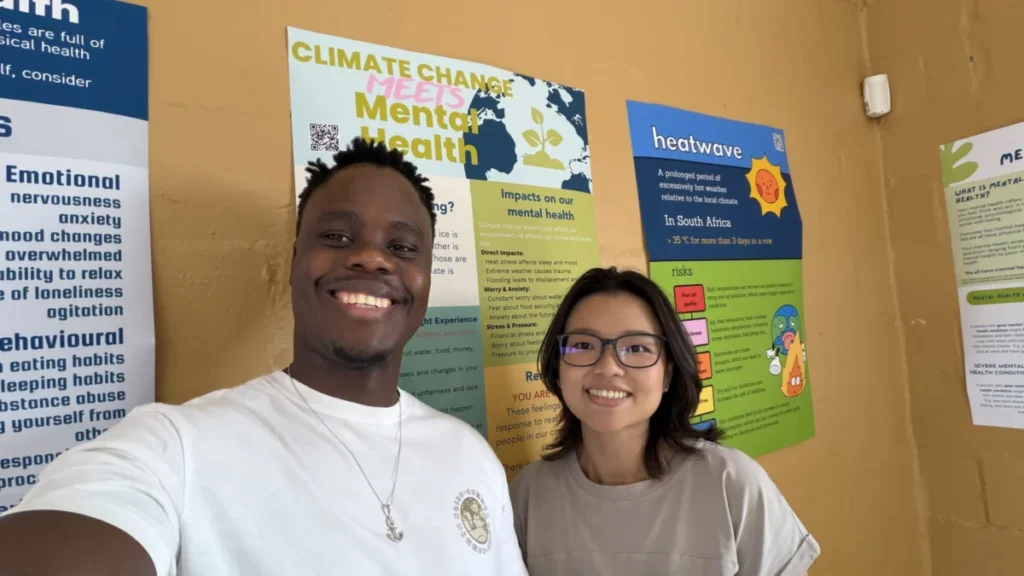
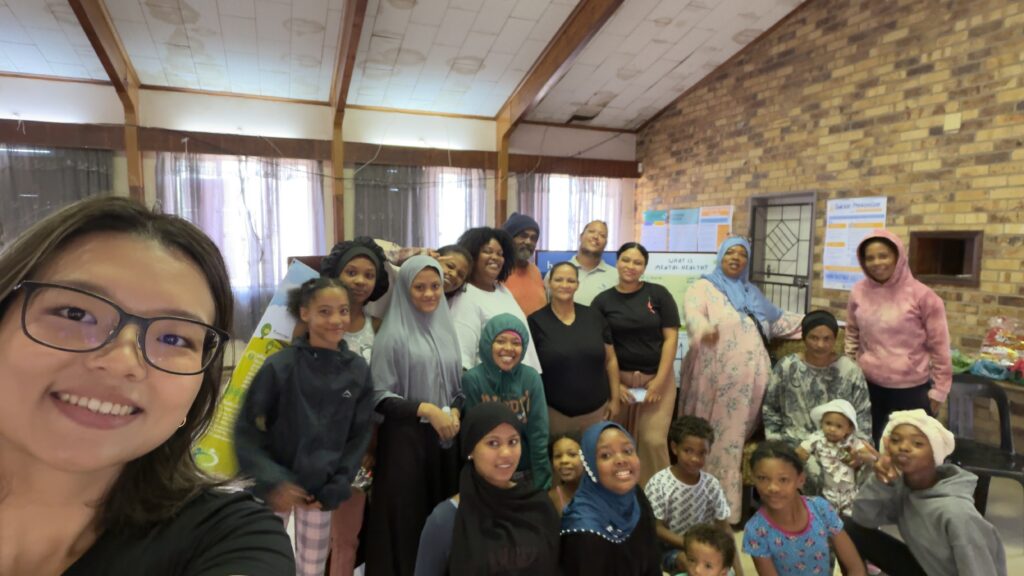
Beyond the data collection, Zhao emphasized her responsibility to give back to the communities that welcomed her. In January 2026, prior to her departure, she organized health education sessions in Laingville and Hopland. These sessions aimed to translate complex research findings on climate change and mental health into accessible, practical information for residents. "For me, that was not an afterthought," Zhao stated. "Research that stays locked inside academic journals does not change the conditions people are living under." This commitment to knowledge translation and community empowerment underscores the ethical imperative of her research.
Building Trust: The Cornerstone of Community-Based Research
A profound learning experience for Zhao was the realization of the meticulous effort required to build trust in community-based research. As a Chinese South African, she was aware that her appearance might not immediately align with the demographic profiles of the communities she was engaging with. This prompted a strategic approach to research design, ensuring that credibility was not solely reliant on her presence.
"The highlight that stands out most is what I learned about building trust in community-based research, and how much deliberate work that requires before a single interview takes place," she reflected. "I am Chinese South African, and walking into rural Western Cape communities, I was aware that I did not visually fit the picture of someone the community would automatically open up to. Trust had to be earned, and I thought carefully about how to structure the research so that it was not built on my presence alone."
A significant step in this process was the establishment of a community advisory group in partnership with SPHER3. This group ensured that local voices actively shaped the direction and execution of the study. By empowering community members to guide the research, Zhao fostered a sense of ownership and collaboration from the outset.
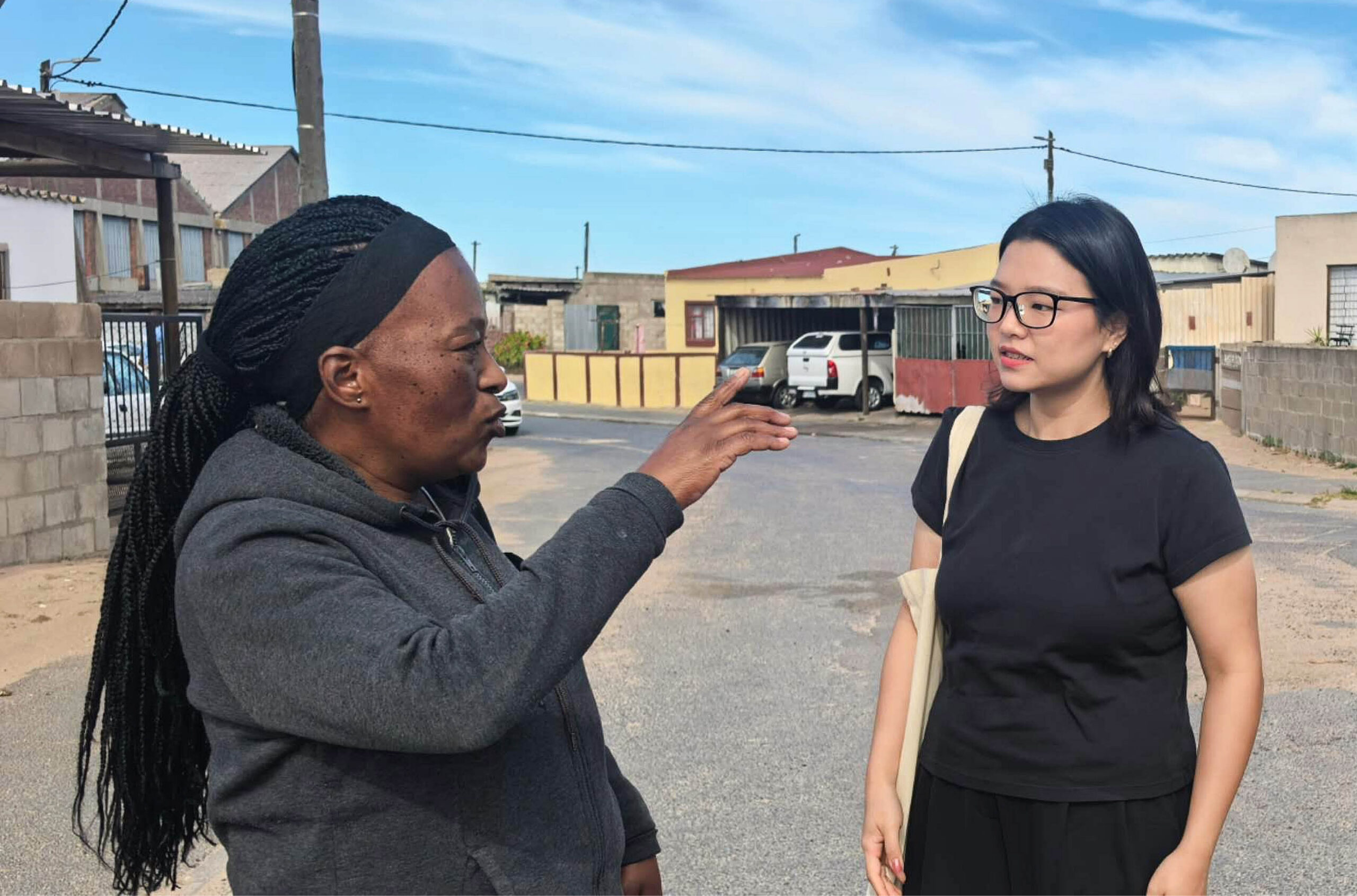
Furthermore, she recognized the vital role of local data collectors. "I recruited data collectors from within the communities themselves, people who already had relationships and credibility with their neighbours, and had them conduct the interviews rather than doing it all myself," she explained. This approach leveraged existing social capital and ensured that participants felt more comfortable sharing their experiences with individuals they knew and trusted.
However, Zhao also understood the importance of her personal presence. She accompanied the data collectors on house visits, introducing herself, explaining the research objectives, and demonstrating genuine commitment. "Those visits taught me more than I expected," she shared. "The data collectors became my entry point into the community, and the relationships I built with them shaped how I understood the context in ways that no questionnaire could capture on its own. I listened, I asked questions, and I let myself be guided by people who knew their communities far better than I did."
The health education sessions were an integral part of this trust-building exercise, serving as a tangible exchange. "That was my way of showing that the relationship was not one-directional," Zhao emphasized. "The community gave me their time, their stories and their trust. The least I could do was give something meaningful back before I boarded a plane back to Canada." This reciprocal relationship solidified her conviction that "community trust is not a checkbox. It is an ongoing relationship that has to be tended to, and the quality of the science depends on it."
Surprises and Challenges: Navigating the Realities of Fieldwork
The fieldwork presented Zhao with moments of profound surprise and significant challenges. The most heartwarming surprise was the unexpected level of engagement during the health education sessions, particularly from children.
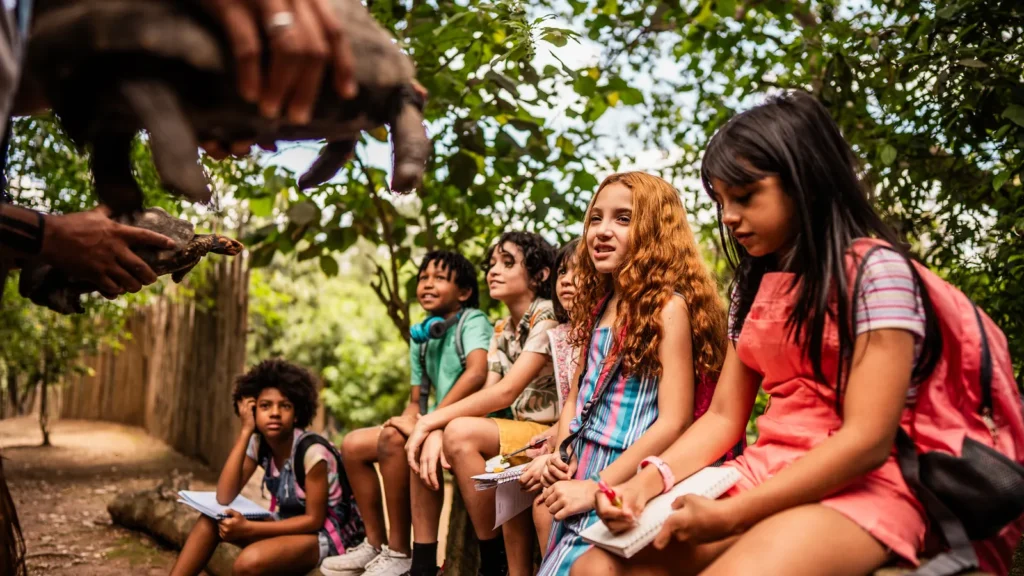
"The most surprising and fulfilling moment of the entire fieldwork was seeing how genuinely interested people were in the health education sessions," Zhao recounted. "I had not anticipated the level of engagement, and what struck me most was the children. Many parents brought their kids along, and rather than sitting quietly at the back, the children were curious, attentive and fully present throughout." The children’s ability to internalize and articulate key concepts, such as the importance of hydration during hot weather and the role of social connection in managing sadness, deeply resonated with Zhao. "Hearing those answers, I felt something shift in me," she said. "These children had taken complex ideas about environmental health and emotional well-being and made them their own, in the most natural and human way possible. That moment made the entire journey feel worthwhile."
However, the practicalities of conducting international research were far from simple. Administrative and safety protocols proved to be more demanding than anticipated. Navigating ethical approvals, research permissions, and institutional requirements across two countries required considerable time and energy. "On the ground, safety was a constant consideration," Zhao noted. "Working in under-resourced communities requires careful planning, local knowledge and ongoing vigilance, and there were moments where the unexpected required quick and careful judgment. These were not small setbacks, but they taught me that adaptive thinking and strong community partnerships are not just helpful in fieldwork. They are essential."
A Paradigm Shift: The Impact of a Participant’s Question
Perhaps the most transformative moment for Zhao occurred during an interview with a participant who was also a social worker. This individual, familiar with research processes, posed a question that profoundly reshaped Zhao’s perspective: "You now have my data, you can see that we struggle with food insecurity, that we are depressed. What happens next? What do I get out of this now?"
Zhao admitted to being left speechless. While she could offer the standard academic responses about publications and policy advocacy, she recognized their inadequacy in addressing the participant’s immediate need. "She was not asking about what might happen in five years after the journal articles are written and the policy briefs are circulated. She was asking about now. And I had nothing to offer her for now."
This encounter triggered a deep sense of introspection and shame, forcing Zhao to confront the stark disconnect between academic research timelines and the urgency of lived realities. She realized that communities facing immediate crises could not afford to wait years for structural changes that might never materialize. "That conversation made me question whether producing knowledge alone is enough, and the honest answer is that for me, it is not," she declared.
This realization has profoundly influenced her future research trajectory. Zhao is now deeply committed to not only community-based research but also to intervention research—work that delivers tangible benefits during the research process itself, not solely at its conclusion. "I want to build research programs where communities see the benefit during the process, not only at the end of it, if at all," she articulated. This shift signifies a move towards research that is more responsive, equitable, and directly impactful.
Disseminating Knowledge: Bridging Academia and Community
Zhao’s strategy for disseminating her research findings is multi-layered, acknowledging the diverse needs of different audiences.
Academic and Professional Communities: The findings from her fieldwork will form the bedrock of her doctoral dissertation, which she aims to defend in early 2027. She is also actively preparing peer-reviewed manuscripts for publication and plans to present her work at international conferences. Zhao is increasingly engaged with African research communities, particularly through networks associated with the University of the Witwatersrand and the South Africa Human Sciences Research Council. She views these platforms as crucial for ensuring that research on African communities is visible and discussed within Africa itself, rather than being confined to Western academic circles.
Local and Community Stakeholders: In collaboration with her partners at SPHER3 and the University of the Witwatersrand, Zhao plans to share her findings with community members and local health authorities in the Western Cape. This dissemination will prioritize accessible and actionable formats, moving beyond the confines of academic journals. The health education sessions conducted during her fieldwork serve as a model for future knowledge translation efforts.
Policy Influence: Zhao’s research aims to contribute crucial evidence to inform policy responses in South Africa and other Global South nations grappling with the intertwined challenges of climate change and mental health. Recognizing the significant research gaps and high stakes in this domain, she feels a profound responsibility to ensure that the voices of the communities she worked with are central to policy discussions.
Future Directions: Building on a Foundation of Partnership
Zhao’s immediate focus remains on completing her dissertation, a process she is on track to finalize by early 2027. The fieldwork experience has been instrumental in forging strong relationships and networks with South African researchers and research councils, which are already yielding new collaborative opportunities.
"One of the most valuable outcomes of this fieldwork has been the relationships and networks I have built with South African researchers and research councils," she stated. "Those connections are already bearing fruit. I am currently working with collaborators at the University of the Witwatersrand and other South African institutions on new projects that build directly on what we started together, and I am genuinely excited about where that work is heading." These partnerships are not peripheral but are intended to be central to her long-term career.
Following her doctoral studies, Zhao plans to pursue a postdoctoral position that will allow her to deepen and expand her research agenda. Her overarching vision is to establish a research program rooted in African and African immigrant communities, examining how climate and environmental exposures influence mental health among individuals already facing significant structural disadvantages. Her personal and professional connections to South Africa, developed over seven years of living and researching there, will continue to guide her work.
Zhao is also keenly interested in exploring how these issues manifest within African diaspora communities in Canada, particularly in cities like Edmonton. She acknowledges that climate vulnerability transcends national borders and that the mental health challenges faced by African immigrants are shaped by a complex interplay of environmental, social, and structural forces. Her ambition extends beyond documenting these challenges; she aims to develop and test community-based mental health initiatives that empower individuals and yield tangible benefits.
Achieving this ambitious goal necessitates an interdisciplinary approach. Zhao recognizes that climate change, mental health, food security, migration, and community resilience are interconnected and cannot be fully understood through a singular lens. She is committed to fostering interdisciplinary collaborations that unite epidemiologists, environmental scientists, social workers, psychologists, and community organizations. The most impactful research, she believes, lies at the intersection of these fields, and she aspires to contribute to creating the infrastructure necessary for such work to flourish.
Beyond research, Zhao is passionate about mentorship. She aims to train the next generation of researchers, particularly those from equity-seeking and underrepresented backgrounds, and to cultivate research environments where diverse perspectives are not merely tolerated but actively valued. The profound lesson learned from the participant’s question—the imperative of accountability—is a guiding principle she intends to impart to future researchers. Her work, therefore, is not only about generating knowledge but about fostering a more equitable and responsive approach to addressing the pressing challenges of our time.