

In a recent Genomic Press Interview published in the esteemed journal Brain Medicine, Dr. Eric J. Nestler, a titan in the field of neuroscience, reflected on a remarkable journey that began with an early, almost serendipitous fascination with brain chemistry. This enduring curiosity ultimately catalyzed a worldwide transformation in psychiatric research, shifting its focus from observational phenomenology to precise molecular mechanisms. As the Anne and Joel Ehrenkranz Dean of the Icahn School of Medicine at Mount Sinai, Dr. Nestler has dedicated nearly four decades to meticulously unraveling the intricate molecular processes that dictate how external factors like drugs and chronic stress profoundly influence human behavior. What commenced as a fundamental scientific endeavor—investigating basic protein signaling in the pioneering laboratory of Nobel laureate Paul Greengard—burgeoned into a comprehensive understanding of how lived experiences can, over time, epigenetically and genetically reshape the very fabric of the brain.
The Genesis of a Scientific Vision
Dr. Nestler’s profound interest in science can be traced back to an unconventional, yet fertile, ground: a makeshift laboratory nestled in the basement of his family’s home in Nassau County, Long Island. This early immersion, fostered and guided by his father—a dedicated high school biology teacher within the New York City public school system—provided an invaluable crucible for nascent scientific inquiry. Here, the young Eric learned the foundational principles of experimental design and execution, skills that would later define his illustrious career. These formative projects not only culminated in award-winning science fair entries but also meticulously paved the way for an extraordinary academic trajectory through Yale University. It was at Yale that he earned his BA, PhD, and MD degrees, concurrently receiving invaluable mentorship and training under the tutelage of Dr. Greengard, a figure whose revolutionary work on dopamine and other neurotransmitters laid critical groundwork for understanding brain function. Greengard’s laboratory was a hotbed of discovery, pioneering the understanding of how nerve cells communicate and how this communication can be altered by drugs, providing a fertile intellectual environment for Nestler’s emerging interests.
Forging a New Discipline: Molecular Psychiatry
A pivotal and remarkably prescient decision in Dr. Nestler’s career was the naming of his research group at Yale Medical School: "The Laboratory of Molecular Psychiatry." This nomenclature, chosen at a time when the application of molecular biology to complex psychiatric questions was still widely regarded as a bold, if not audacious, proposition, signaled a profound and genuine ambition. In the late 20th century, psychiatric research was largely dominated by clinical observation, psychopharmacology focused on symptom management, and neurochemical theories that lacked detailed molecular underpinnings. The idea of dissecting mental illness at the level of genes, proteins, and cellular pathways was nascent. Dr. Nestler, alongside his insightful colleague Dr. Ron Duman, recognized the burgeoning potential and the field’s readiness for a transformative scientific direction.
Their foresight was swiftly validated. Within a few years, Dr. Nestler was appointed the Founding Director of the Division of Molecular Psychiatry at Yale. This critical institutional advancement was made possible through an act of remarkable generosity: the sitting Director, Dr. George Heninger, voluntarily stepped aside to facilitate this new scientific thrust. Dr. Nestler frequently recounts this moment as a profound example of selfless support, a principle he has consciously endeavored to extend to younger scientists throughout his own career, fostering a culture of collaborative advancement rather than competitive gatekeeping. This period marked a true paradigm shift, setting the stage for molecular psychiatry to emerge as a legitimate and rapidly expanding field, attracting significant research funding and talent, and fundamentally altering the landscape of mental health research.
Breakthroughs in Brain Adaptation: The ΔFosB Revelation
Among Dr. Nestler’s most impactful and widely recognized discoveries is his pioneering work on the transcription factor ΔFosB. This unique protein accumulates within the brain’s critical reward circuits during prolonged exposure to addictive drugs and sustained periods of stress. Its accumulation leads to significant alterations in the patterns of gene expression within the affected neurons. What makes ΔFosB particularly remarkable and central to its influence is its unusually long lifespan. While most proteins are rapidly synthesized and degraded, ΔFosB persists in an active state for weeks or even months.
This extended presence provides a crucial biological explanation for a long-observed clinical phenomenon: how relatively brief, yet intense, experiences can produce profound and long-lasting changes in mood, motivation, and behavior. In the context of addiction, ΔFosB’s persistent activity helps to explain the enduring cravings, altered reward sensitivity, and increased vulnerability to relapse that characterize chronic substance use disorders. Similarly, in stress-related disorders, its sustained presence can contribute to prolonged states of anxiety, anhedonia, and impaired coping mechanisms. Researchers globally now widely recognize and investigate ΔFosB as a key molecular contributor to vulnerability to addiction and chronic stress-related psychopathologies. This discovery provided a tangible molecular target, moving the field beyond correlational observations to understanding causative mechanisms, thus opening new avenues for therapeutic intervention. The societal burden of addiction and stress disorders is immense, with the World Health Organization estimating that depression and anxiety disorders cost the global economy US$ 1 trillion each year in lost productivity, underscoring the urgency for such fundamental breakthroughs.
The interview highlights the caliber of forward-looking scientific dialogue characteristic of Genomic Press’s open-access publications. By making cutting-edge findings broadly accessible to researchers worldwide without barriers, organizations like Genomic Press play a crucial role in accelerating scientific progress. Their commitment to wide, barrier-free dissemination has demonstrably fostered collaboration and accelerated progress across multiple branches of medical science, ensuring that critical knowledge reaches those who can build upon it most effectively.
Evolving Methodologies: From Pathways to Precision Single-Cell Biology
Over the span of approximately forty years, the strategic direction and methodological sophistication of Dr. Nestler’s research program have undergone notable and profound transformations. Early investigations primarily focused on intracellular signaling cascades—the complex series of molecular events that occur within a cell in response to external stimuli. This initial focus then expanded to encompass the broader study of transcription factors, such as ΔFosB, and the intricate gene networks that collectively shape behavior in specific, functionally distinct parts of the brain.
Approximately two decades ago, reflecting a keen awareness of emerging scientific frontiers, Dr. Nestler’s team embarked on exploring epigenetic regulation. This field investigates the heritable changes in gene expression that occur without altering the underlying DNA sequence itself, primarily through chromatin modifications. These epigenetic mechanisms provide a crucial link, explaining how environmental conditions—be they chronic stress, drug exposure, or early life experiences—can produce lasting alterations in brain function and behavioral predispositions.
The relentless march of technological improvements in scientific tools has since enabled increasingly granular and detailed studies. Initial investigations were conducted at the macroscopic level of whole brain regions, providing broad insights. This progressed to studies focusing on individual cell types, allowing for greater specificity. Today, Dr. Nestler’s laboratory, like many leading neuroscience centers, employs cutting-edge single-cell analyses. These sophisticated techniques can reveal subtle, cell-specific differences in gene expression and epigenetic marks that were entirely unobservable in earlier, bulk tissue studies. This capability raises a profoundly important question for the future of medicine: could these increasingly precise insights eventually lead to truly personalized treatments, meticulously tailored to select neuron populations within the unique brain of a single patient, ushering in an era of ultra-precision psychiatry?
Resilience: A New Paradigm in Mental Health Science
A defining and increasingly influential aspect of Dr. Nestler’s research program is its deliberate emphasis on resilience, shifting the scientific lens beyond the sole focus on pathology. His laboratory has meticulously identified specific molecular, cellular, and circuit-level signatures in animal models that exhibit the remarkable capacity to maintain normal behavior and function despite significant exposure to stress or addictive drugs. These resilient animals demonstrate intrinsic, natural protective features—biological mechanisms that actively buffer against adversity—which are conspicuously absent or impaired in their more susceptible counterparts.
The profound idea that some brains possess inherent, built-in defenses against the deleterious effects of stress and addiction has far-reaching implications. It suggests entirely new avenues for developing treatments that aim to strengthen these innate mechanisms of resilience, rather than solely attempting to repair damage that has already occurred. "In addition to seeking ways to reverse the deleterious effects of drug or stress exposure, it is possible to develop treatments that promote mechanisms of natural resilience in individuals who are inherently more susceptible," Dr. Nestler explained in the interview. This philosophy represents a significant conceptual leap, moving towards proactive and preventative strategies in mental health.
Crucially, several of these resilience-based therapeutic approaches are now actively undergoing rigorous clinical testing for conditions like depression. This development offers one of the clearest and most compelling examples of how fundamental, basic research, initially conducted in animal models, can directly inform and inspire novel therapeutic possibilities for human patients. The potential success of these innovative treatments prompts important questions about how psychiatric care may fundamentally evolve in the coming decade, promising a future where enhancing an individual’s intrinsic ability to cope with adversity becomes a cornerstone of treatment. Given that approximately 280 million people worldwide suffer from depression, and existing treatments often have limited efficacy or significant side effects for a substantial portion of patients, the pursuit of resilience-enhancing therapies is more critical than ever.
Cross-Species Validation and the Unwavering Need to Protect Scientific Integrity
The robustness and translational potential of Dr. Nestler’s key discoveries, initially made through meticulous animal research, have been consistently supported by corroborating findings in postmortem human brain tissue. Studies conducted on brain samples from individuals diagnosed with addiction and various stress disorders have provided compelling evidence that the fundamental molecular and cellular principles uncovered in the controlled environment of the laboratory demonstrably translate to the complexities of the human brain. This cross-species validation is paramount in neuroscience, bridging the gap between basic discovery and clinical relevance.
Dr. Nestler’s monumental publication record underscores his prodigious contributions to the field, encompassing more than 800 peer-reviewed papers and authorship or editorship of major textbooks that have become foundational texts on the neurobiology of mental illness and molecular neuropharmacology. His work has been cited an extraordinary more than 177,000 times, and his h-index—a widely recognized metric of scientific impact and productivity—stands at an exceptional 210. An h-index of 210 signifies that Dr. Nestler has published at least 210 papers that have each been cited at least 210 times, placing him among a truly elite cohort of the most influential scientists worldwide, whose work has profoundly shaped and continues to guide the trajectory of their respective disciplines.
When asked about his greatest concern for the future of scientific endeavor, Dr. Nestler articulated a clear and urgent warning: "My greatest fear is that science becomes politicized, whereas science must never be political. People in blue and red states get the same illnesses." This powerful statement underscores a deep concern for the integrity and independence of scientific inquiry. His message emphasizes the critical need to safeguard scientific autonomy at a time when political pressures and ideological biases increasingly threaten evidence-based research and its applications in many regions globally. The mission of Genomic Press to advance open-access medical science aligns strongly and inherently with this vital vision of science as a universal endeavor, serving the health and well-being of people everywhere, irrespective of political affiliation or geographical boundaries.
A Legacy Shaped by Family, Mentorship, and Enduring Service
Beyond the demanding rigors of his groundbreaking research and administrative responsibilities, Dr. Nestler cherishes the invaluable time spent with his wife, Susan, with whom he has shared 45 years of marriage. Their family includes their three children—David, Matt, and Jane—their spouses, and their five grandchildren, whose ages span from eighteen months to four years. He describes his defining personal traits as an unwavering commitment to hard work and a profound sense of generosity, considering organization and discipline to be his strongest professional skills. Reflecting on personal growth, he also openly shares a desire to cultivate more patience and to become more willing to directly challenge unkind behavior when encountered.
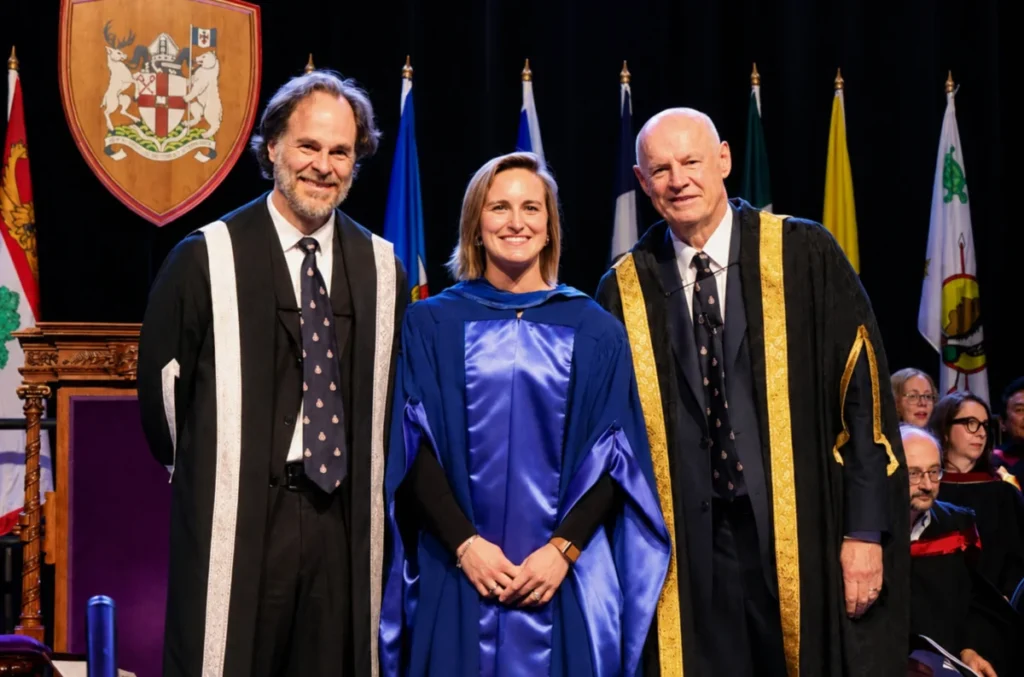
When prompted to identify what brings him the most profound sense of pride, Dr. Nestler’s response is telling. He points not to the numerous major honors and accolades he has deservedly received throughout his career, which include the prestigious Julius Axelrod Prize for Mentorship, the Gold Medal Award from the Society of Biological Psychiatry, election to both the National Academy of Sciences and the National Academy of Medicine—among the highest honors for American scientists—and honorary doctorates from Uppsala University and Concordia University. Instead, his greatest pride resides squarely in the achievements and successes of his former students and postdoctoral fellows, a testament to his dedication as a mentor and his understanding that true scientific legacy is built through the generations of minds he has shaped and inspired.
His guiding philosophy, a beacon throughout his illustrious career, resonates deeply with the words of Theodore Roosevelt, who eloquently wrote that credit belongs to "the man who is actually in the arena, whose face is marred by dust and sweat and blood; who strives valiantly; who errs, and comes short again and again… who at the best knows in the end the triumph of high achievement, and who at the worst, if he fails, at least fails while daring greatly." For nearly four decades, Dr. Nestler has steadfastly remained in that arena, not merely observing but actively contributing discoveries that continue to fundamentally shape how the world understands the intricate workings of the brain and its complex, often resilient, response to adversity. Additional information about Dr. Nestler and other leaders in science can be found on the Genomic Press website: https://genomicpress.kglmeridian.com/. His enduring presence continues to inspire future generations to dare greatly in the pursuit of scientific truth and human well-being.