


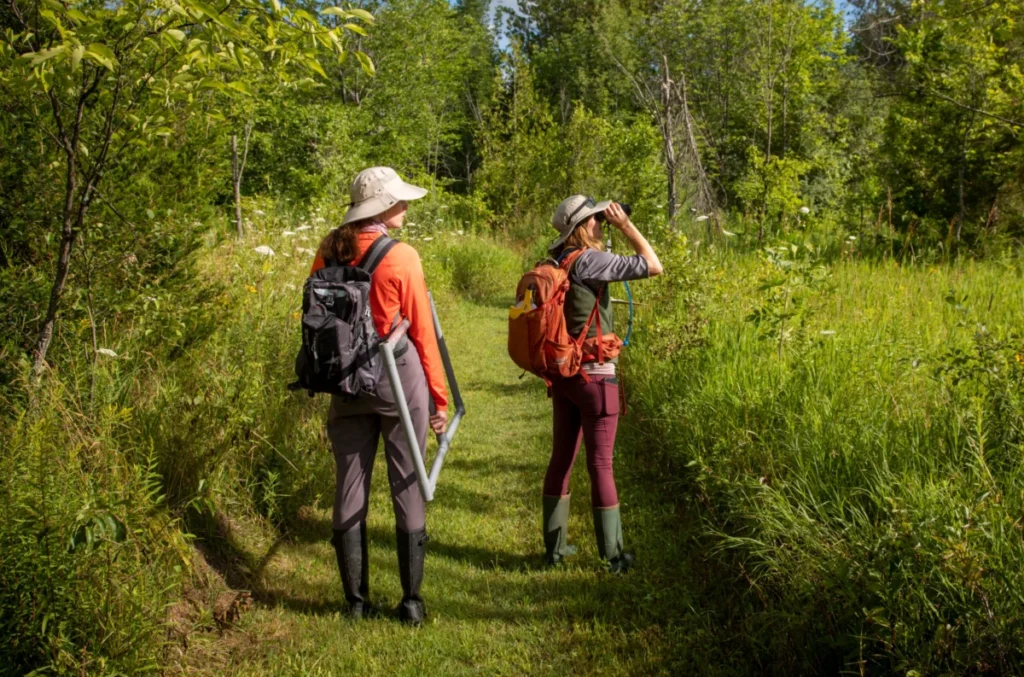
Trent University, nestled in Peterborough, Ontario, is embarking on a transformative initiative to redefine its extensive green spaces, integrating Indigenous knowledge and ecological stewardship into a cohesive vision for its more than 360 hectares of natural landscape. The recently announced Ggwepnandizamin Stewardship Plan, unveiled in late April, establishes a comprehensive seven-year framework designed to manage and protect these vital ecological areas. This ambitious plan places a significant emphasis on weaving Indigenous perspectives into the fabric of environmental research, education, land-based learning, and the practical management of the land itself.
The development of the Ggwepnandizamin Stewardship Plan represents a profound commitment to reconciliation and collaboration. It has been meticulously crafted in partnership with the Michi Saagiig First Nations, local environmental organizations, and involves ongoing dialogue and collaboration with Trent Elders and the Knowledge Holder’s Council, alongside Michi Saagiig land consultation officers. This multi-faceted approach underscores a deep respect for the traditional custodianship of the land and seeks to harness their invaluable wisdom.
A Living Landscape: Indigenous Perspectives on Nature
Tom Cowie, Consultation Indigenous Knowledge Lead from Hiawatha First Nation, articulated the profound significance of Trent University’s natural environment from an Indigenous viewpoint. "When we’re looking at different things, especially around the park or around the school… there’s a lot of significant wetlands," Cowie stated. "Those are quite significant. They’re all medicine gardens." This perspective transcends a purely ecological understanding of these spaces, highlighting their intrinsic cultural and medicinal value.
Cowie further elaborated on the fundamental difference in how Indigenous communities perceive the land. "For Mr. Cowie, these spaces are not merely ecological reservoirs; they also form part of our broader understanding of the land – one which is living and connected to us," he explained. This worldview is rooted in a generational responsibility and a familial relationship with the natural world. "We’ve always been taught that we look after the lands, to ensure that they are better for the generations to come," he affirmed. "We look at the land as a familial relationship, as opposed to being a commodity or a resource. We treat it as family." This deeply ingrained respect and interconnectedness form the bedrock of the stewardship plan.
This understanding also informs a distinct approach to knowledge sharing within Indigenous communities. "We’re not keepers of knowledge, we’re sharers," Cowie emphasized, underscoring a philosophy of open and communal transmission of wisdom, rather than exclusive possession.
National Indigenous Peoples Day and the Imperative of Inclusion
As Canada prepares to commemorate National Indigenous Peoples Day on June 21st, initiatives such as the one at Trent University serve as poignant examples of recognizing and celebrating the rich cultures, histories, and enduring contributions of First Nations, Inuit, and Métis peoples. This national observance serves as a crucial reminder for all Canadians to consider and actively support efforts that ensure Indigenous knowledge and voices are not only heard but are central to institutions that have historically marginalized them.
Julie Davis, Trent University’s Vice President of External Relations & Development, highlighted the transformative power of embracing Indigenous worldviews. "When we listen and understand an Anishinaabe world view, and we understand familial relations and the spirit of all those species, we feel a higher calling to how we do the work," she remarked. This sentiment reflects a growing institutional awareness of the limitations of solely Western paradigms in addressing complex environmental and social challenges.
Bridging Knowledge Systems: The ‘Ethical Space’ of Collaboration
The integration of Indigenous knowledge into university operations is not without its complexities. Davis acknowledged the deliberate effort required to foster a balanced and respectful dialogue between Western and Indigenous knowledge systems. "Maintaining what is called an ethical space, where that knowledge system and the Western system are equal, happens through talking and working together," she explained. This concept of an "ethical space," as theorized by Indigenous scholars, refers to a shared ground where different knowledge systems can interact on an equal footing, fostering mutual understanding and respect. "How arrogant would it be for us not to recognize, and acknowledge, and collaborate," she added, underscoring the moral and intellectual imperative for such partnerships.
Research for Sustainability: Empowering Indigenous-Led Initiatives
Barbara Wall, an Associate Professor and dual-tradition scholar at Trent University’s Chanie Wenjack School for Indigenous Studies, emphasized the tangible benefits of conducting research in collaboration with Indigenous communities. "Doing research for and with Indigenous communities will lead to increased environmental sustainability, increased environmental health, and thus increased human health on so many different levels," Dr. Wall stated. This perspective aligns with global calls for more holistic and community-centered approaches to environmental science and conservation.
However, Dr. Wall also pointed to significant systemic barriers that often impede Indigenous-led research, particularly concerning funding and the development of necessary capacities. Partnerships with academic institutions, like the one at Trent, can play a pivotal role in mitigating these challenges by offering crucial support and resources. The success of these collaborations hinges on maintaining environments that are consistently welcoming and respectful, allowing Indigenous knowledge holders to engage on their own terms.
"There needs to be trusting, respectful relationships, and many times those have to be created before you can jump into any research," Dr. Wall stressed. This foundational principle of relationship-building is paramount for ethical and effective collaboration, ensuring that partnerships are not transactional but are built on genuine mutual respect and understanding.
Chronology of Engagement and Development
The Ggwepnandizamin Stewardship Plan represents the culmination of years of dialogue and evolving relationships between Trent University and the Michi Saagiig First Nations. While the plan itself was formally announced in late April, its roots can be traced to earlier consultations and a growing recognition within the university of the need to decolonize its approach to land management and academic research.
- Early 2010s: Initial discussions and growing awareness within Trent University about the ecological significance of its campus lands and the importance of Indigenous perspectives.
- Mid-2010s: Increased engagement with local First Nations communities, including the Michi Saagiig First Nations, to explore opportunities for collaborative land stewardship and knowledge sharing. This period likely involved informal dialogues, cultural sharing events, and preliminary assessments of the campus environment.
- Late 2010s: Formalization of partnerships and the establishment of working groups involving university representatives, Indigenous Elders, Knowledge Holders, and community members from Michi Saagiig First Nations. This phase would have involved more structured consultations and the co-development of guiding principles.
- Early 2020s: Intensive development of the Ggwepnandizamin Stewardship Plan, involving detailed ecological assessments, cultural heritage mapping, and the codification of Indigenous knowledge into actionable stewardship strategies. This period would have included extensive meetings, workshops, and on-the-ground surveys.
- April 2024: Official announcement of the Ggwepnandizamin Stewardship Plan, outlining a seven-year framework for ecological management and the integration of Indigenous knowledge. This announcement marked a significant milestone, signaling a new era of land stewardship at Trent University.
Supporting Data and Ecological Significance
Trent University’s campus encompasses a remarkable array of natural features that contribute to its ecological richness. The over 360 hectares of green space include:
- Significant Wetlands: These areas are critical for biodiversity, acting as natural filters for water and providing essential habitats for numerous plant and animal species. They are also vital for flood control and carbon sequestration. The wetlands on Trent’s campus are recognized by Tom Cowie as "medicine gardens," underscoring their traditional medicinal importance.
- Forests and Woodlands: These areas support a diverse range of arboreal species and provide crucial habitats for birds, mammals, and insects. They also contribute to air quality and soil health.
- Grasslands and Meadows: These open spaces support unique plant communities and are important for pollinators and ground-nesting birds.
- Waterways: The Otonabee River and its tributaries flow through or adjacent to the campus, providing vital aquatic habitats and influencing the surrounding terrestrial ecosystems.
The plan’s focus on integrating Indigenous knowledge aims to enhance the management of these diverse ecosystems by incorporating traditional ecological knowledge (TEK). TEK often encompasses generations of observations about plant and animal cycles, weather patterns, and sustainable resource management practices that are crucial for long-term ecological health.
Broader Impact and Implications: A Model for Reconciliation
The Ggwepnandizamin Stewardship Plan at Trent University has far-reaching implications, extending beyond the immediate campus environment. It serves as a powerful model for how academic institutions can actively engage in reconciliation and embed Indigenous perspectives into their core operations.
- Enhanced Environmental Sustainability: By integrating TEK with Western scientific approaches, the plan has the potential to foster more effective and culturally appropriate conservation strategies, leading to improved ecological health and resilience.
- Advancement of Land-Based Learning: The plan will create new opportunities for students and researchers to engage in hands-on, experiential learning that is deeply rooted in Indigenous traditions and knowledge systems. This can lead to a more profound understanding of environmental issues and foster a sense of responsibility towards the land.
- Strengthening Indigenous-University Relations: The collaborative nature of the plan fosters genuine partnerships, building trust and mutual respect between Trent University and the Michi Saagiig First Nations. This can serve as a blueprint for other institutions seeking to build meaningful relationships with Indigenous communities.
- Contribution to Decolonization Efforts: By prioritizing Indigenous knowledge and voices, the plan actively works to decolonize academic practices and land management, challenging historical power imbalances and promoting a more inclusive and equitable future.
- Economic and Social Benefits: Effective land stewardship can lead to improved ecosystem services, such as water purification and carbon sequestration, which have tangible economic and social benefits for the wider community. Furthermore, by respecting and valuing Indigenous knowledge, the plan contributes to the preservation and revitalization of Indigenous cultures and languages.
Ultimately, the Ggwepnandizamin Stewardship Plan represents a paradigm shift in how land is understood and managed. It acknowledges the land not as a mere resource to be exploited, but as a living entity with inherent value and deep cultural significance. By embracing a holistic approach that honors diverse ways of knowing and being, Trent University is charting a meaningful path toward a more inclusive, sustainable, and reconciled future. This initiative underscores the profound truth that true environmental stewardship requires listening to, learning from, and working alongside those who have been its custodians for millennia.