


The deployment of the Vanguard underwater habitat in the Florida Keys National Marine Sanctuary represents a pivotal moment in marine engineering and oceanographic research. Developed by the marine technology firm DEEP, the school-bus-sized structure is now anchored 56 feet beneath the surface at Tennessee Reef, marking the first time in four decades that a new open-ocean subsea facility has been established in United States waters. This installation is designed to serve as a permanent laboratory and living quarters for aquanauts, providing a platform for unprecedented long-term study of the marine environment. By allowing scientists to live and work on the seafloor for extended periods, Vanguard aims to accelerate discoveries in coral reef restoration, climate change impacts, and the physiological effects of extreme environments on the human body.
Technical Specifications and Habitat Design
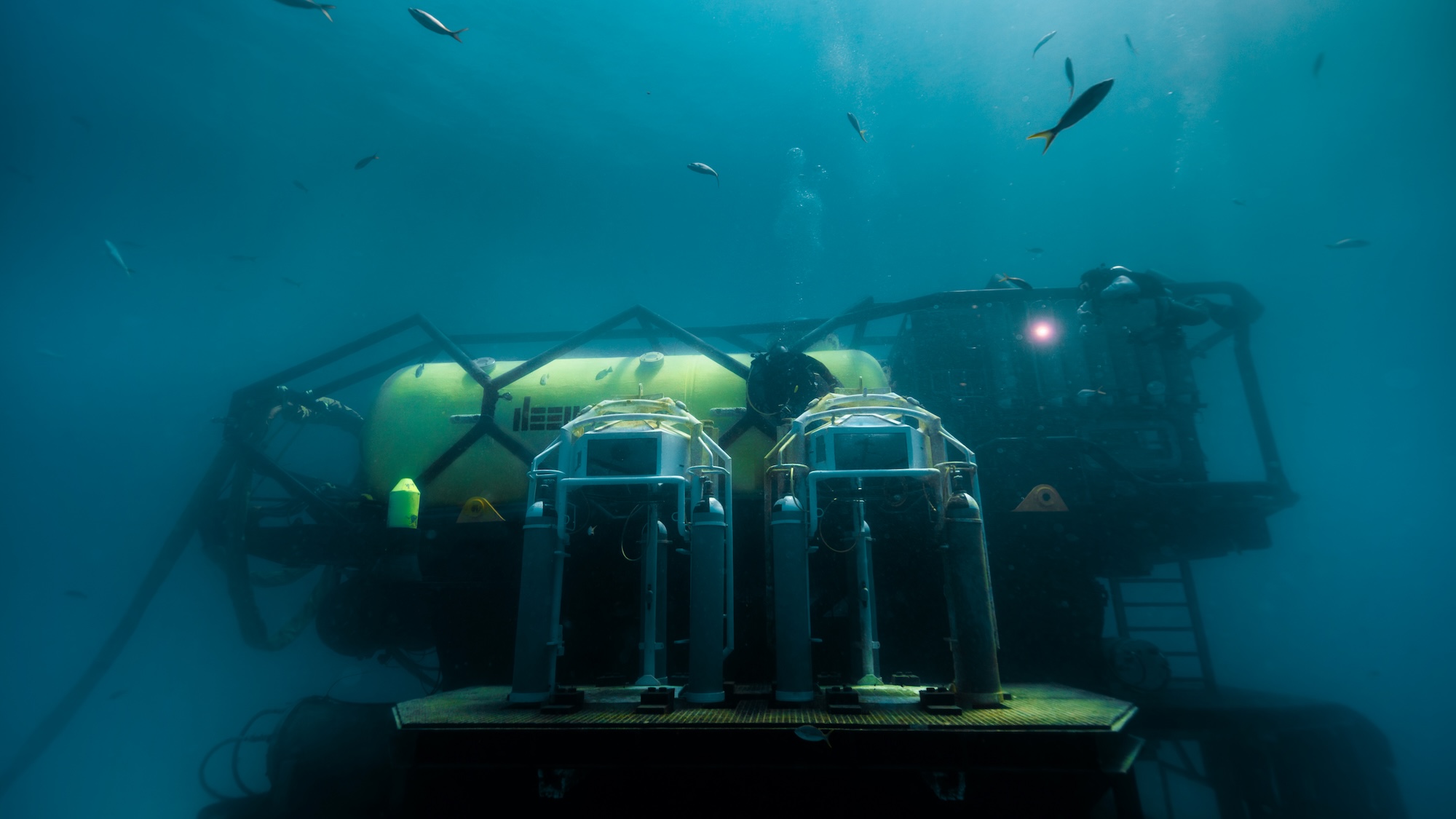
The Vanguard system is a sophisticated piece of maritime engineering, the result of 18 months of intensive design, fabrication, and pressure testing. Measuring approximately the dimensions of a standard school bus, the habitat is engineered to house up to four personnel simultaneously. Unlike temporary diving bells or submersibles, Vanguard is designed for "saturation diving" missions, where occupants remain at ambient pressure for days or weeks at a time, eliminating the need for frequent decompression.
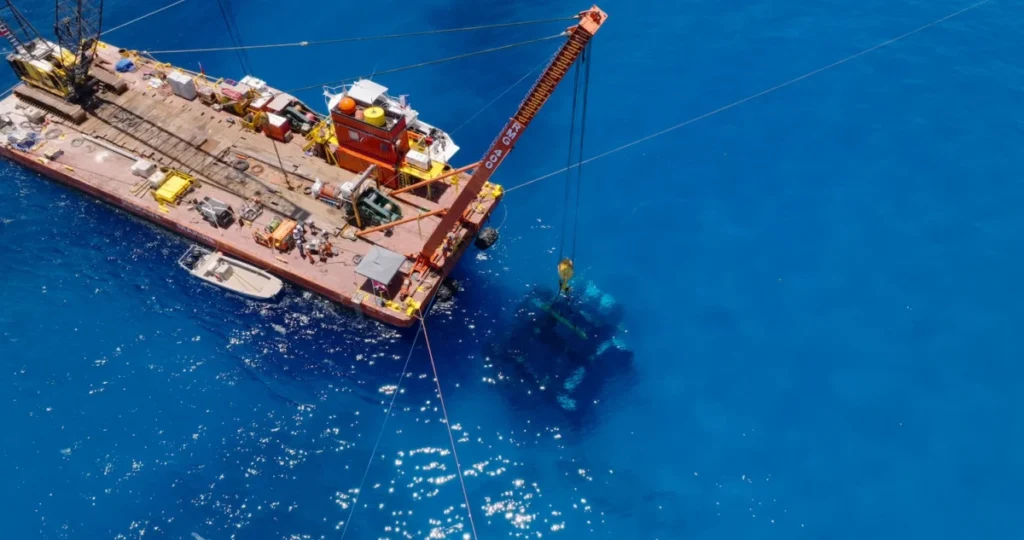
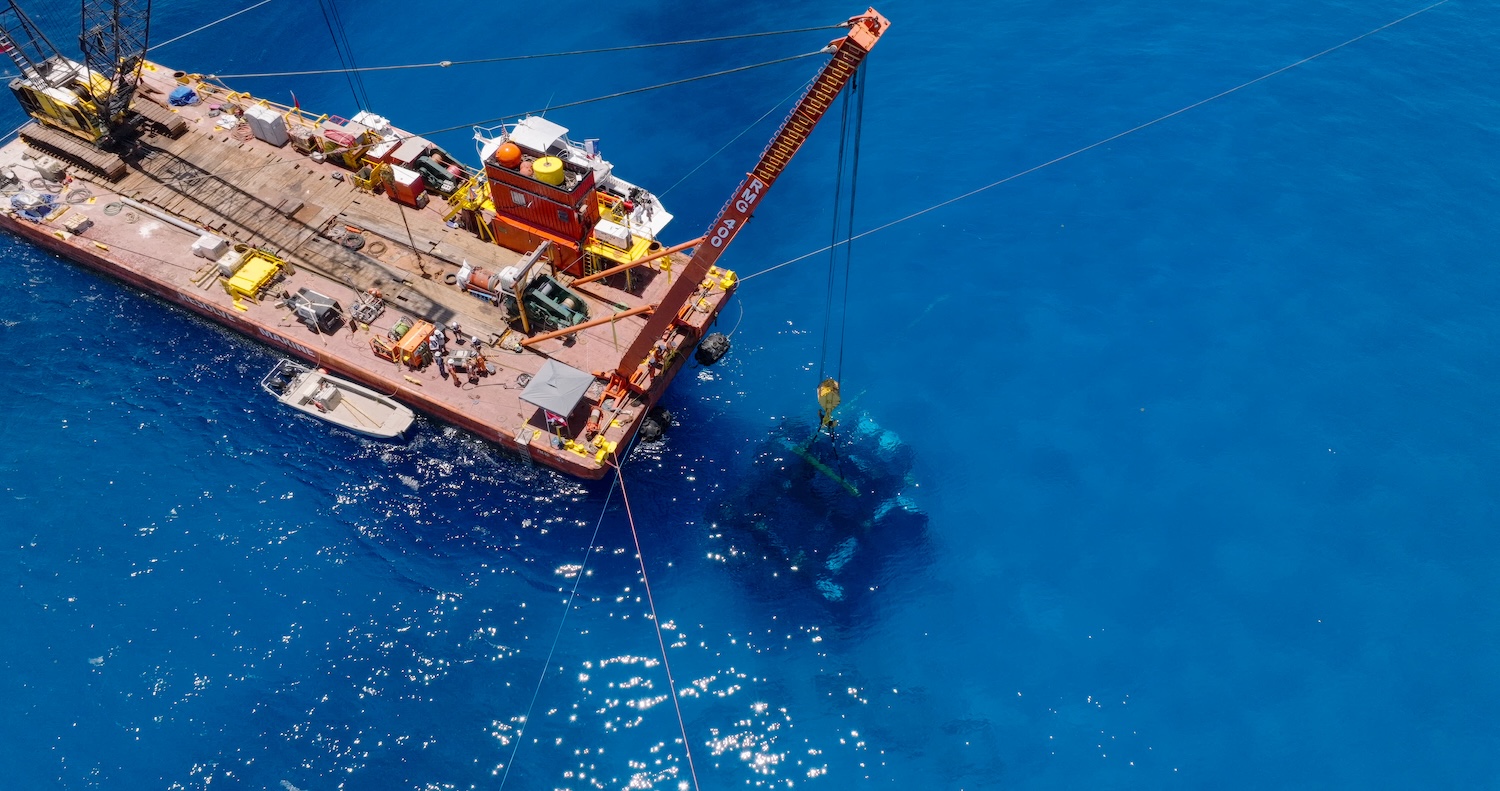
The structure is anchored to the sandy seafloor using a specialized base foundation, which was lowered into place via a maritime crane prior to the habitat’s descent. Stability is a critical factor in the turbulent environment of the Florida Keys, where seasonal storms and strong currents can pose significant risks to subsea infrastructure. To ensure the safety and comfort of its inhabitants, Vanguard is constructed from high-grade materials capable of withstanding the corrosive effects of saltwater and the constant pressure of 56 feet of water.
A defining feature of the Vanguard system is its umbilical connection to a sophisticated surface buoy. This bright yellow support structure acts as the habitat’s lifeline, housing critical infrastructure that cannot be easily maintained underwater. The buoy provides:
- Power Generation: Sustainable energy systems to run lighting, life support, and laboratory equipment.
- Atmospheric Control: A continuous supply of breathable air and scrubbing systems to remove carbon dioxide.
- Communications Arrays: High-bandwidth data links that allow aquanauts to transmit research findings in real-time and maintain contact with surface support teams.
- Fresh Water and Supplies: Systems for managing the logistical needs of a four-person crew.
The Strategic Importance of Tennessee Reef
The selection of Tennessee Reef as the site for Vanguard was a deliberate choice based on the area’s unique ecological profile. Located approximately 65 miles from the nearest major port, Tennessee Reef is designated by the National Oceanic and Atmospheric Administration (NOAA) as a "Research Only Area." This status limits human interference, providing a pristine environment for scientific observation.
The reef is characterized by "spur and groove" formations—alternating ridges of coral and sand channels—which are home to unique deepwater, slow-growth corals and various species of sponges. These ecosystems are highly sensitive to environmental shifts. By positioning Vanguard directly within this habitat, researchers can conduct continuous, 24-hour monitoring of reef health. Traditional marine biology often relies on short-duration dives that are limited by oxygen supplies and decompression limits; Vanguard removes these barriers, allowing for the type of longitudinal data collection that is essential for understanding complex ecosystem dynamics.
Chronology of the Vanguard Project
The path to the floor of the Florida Keys was a multi-stage process involving international collaboration and rigorous safety protocols.
- Conceptualization and Design (2022–2023): DEEP engineers focused on creating a modular, scalable habitat that could serve as a prototype for future, larger installations. The design phase emphasized safety, sustainability, and ease of deployment.
- Fabrication and Testing (2023–2024): The habitat underwent extensive pressure testing in controlled environments to ensure structural integrity. This phase also included the development of the surface support buoy and the foundation system.
- Foundation Installation (Mid-2024): Maritime engineers arrived at Tennessee Reef to prepare the site. A heavy-duty foundation was lowered and secured to the seafloor, providing a level and stable platform for the habitat.
- Habitat Deployment (Late 2024): Using a maritime crane, the Vanguard habitat was carefully lowered through the water column and locked onto its foundation. Divers then connected the umbilical lines to the surface buoy.
- Sea Acceptance Testing (Ongoing): Currently, the system is undergoing a series of rigorous reviews. This includes "Sea Acceptance Testing" (SAT) to verify that all systems—life support, power, and communications—function correctly in the actual ocean environment.
- Accreditation and Commissioning (Pending): Before the first crew can move in, the facility must receive official certification from Det Norske Veritas (DNV), an internationally recognized accreditation body. DNV certification is the "gold standard" for subsea safety, ensuring the habitat meets the highest global standards for occupancy.
The Science of Saturation: Why Living Underwater Matters
The primary advantage of the Vanguard habitat is its ability to support saturation diving. In standard scuba diving, the amount of time a diver can spend at depth is severely limited because nitrogen and other gases dissolve into the body’s tissues under pressure. If a diver ascends too quickly, these gases form bubbles, leading to decompression sickness, or "the bends."
In a saturation habitat like Vanguard, the aquanauts’ bodies are allowed to reach equilibrium with the surrounding pressure. Once "saturated," they can stay at that depth indefinitely. When their mission is over—whether it lasts five days or thirty—they undergo a single, controlled decompression process. This methodology allows for a massive increase in "bottom time." Researchers can spend eight to ten hours a day working on the reef, compared to the 40 or 60 minutes typical of a surface-based dive. This efficiency is expected to lead to a surge in discoveries related to coral spawning, predator-prey relationships, and the impacts of ocean acidification.
Official Reactions and Institutional Collaboration
The deployment has drawn praise from both the private sector and government agencies. Norman Smith, Chief Technology Officer at DEEP, emphasized the broader mission of the company, stating that the successful installation of Vanguard is a major step toward making humans "aquatic." Smith noted that a continuous human presence in the ocean is necessary to truly understand and protect it.
Eddie Kertis, Superintendent of the Florida Keys National Marine Sanctuary, highlighted the collaborative nature of the project. He noted that NOAA has a long history of supporting subsea habitats—most notably the Aquarius Reef Base, which has operated in the Keys for decades. Kertis stated that the addition of Vanguard creates new opportunities for marine science and builds upon the existing research infrastructure of the sanctuary.
The scientific community also views Vanguard as a potential training ground for space exploration. Organizations like NASA have long used underwater habitats to simulate the isolation and extreme conditions of long-duration spaceflight. The habitat’s ability to house four people in a confined, high-stakes environment makes it an ideal laboratory for studying human psychology and team dynamics in "extreme environments."
Broader Implications and Future Outlook
The arrival of Vanguard ends a long period of stagnation in the development of new subsea habitats in the United States. While the Aquarius Reef Base (now operated by Florida International University) has been a workhorse for marine science, it was deployed in its current location in the 1980s. Vanguard represents a new generation of technology, utilizing modern materials, digital monitoring systems, and more efficient life-support modules.
The implications of this technology extend beyond pure science. As the global community grapples with the effects of climate change, the ability to monitor the "front lines" of the ocean in real-time becomes a matter of environmental security. Habitats like Vanguard can serve as early-warning stations for coral bleaching events, invasive species movements, and changes in water temperature.
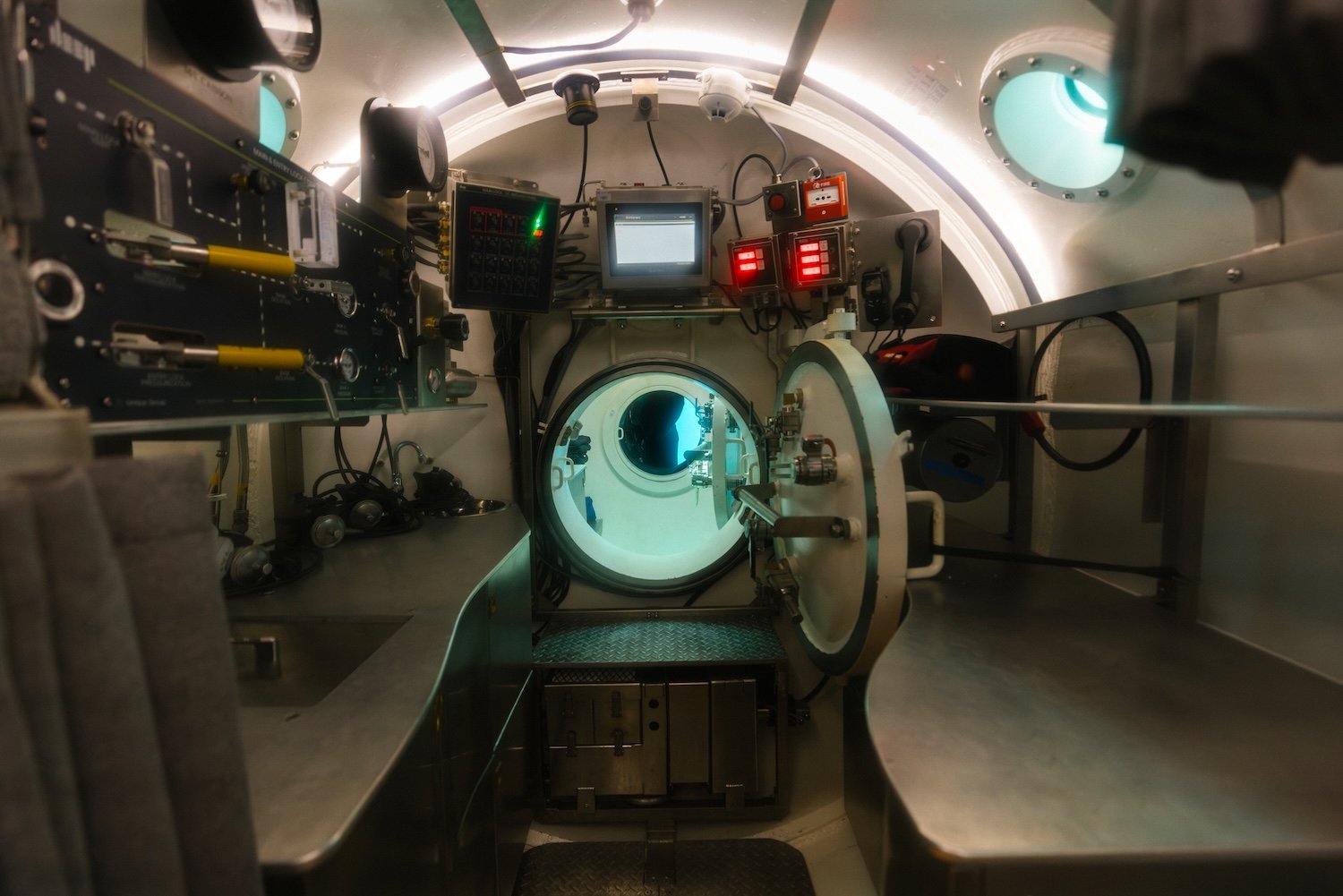
Looking ahead, DEEP has signaled that Vanguard is only the beginning. The company has plans for the "Sentinel" system, a larger, modular underwater station that could house dozens of people. The success of the Vanguard mission at Tennessee Reef will serve as the proof-of-concept for these more ambitious projects.
Once DNV accreditation is finalized, the first cohort of aquanauts will undergo specialized "Habitat Support Crew" training. This curriculum covers emergency procedures, system maintenance, and the unique logistics of living in a pressurized environment. Following training, the inaugural scientific missions will commence, marking the start of a new chapter in America’s relationship with the sea. For the first time in 40 years, the U.S. is expanding its permanent footprint on the ocean floor, signaling a renewed commitment to exploring the "inner space" of our planet.